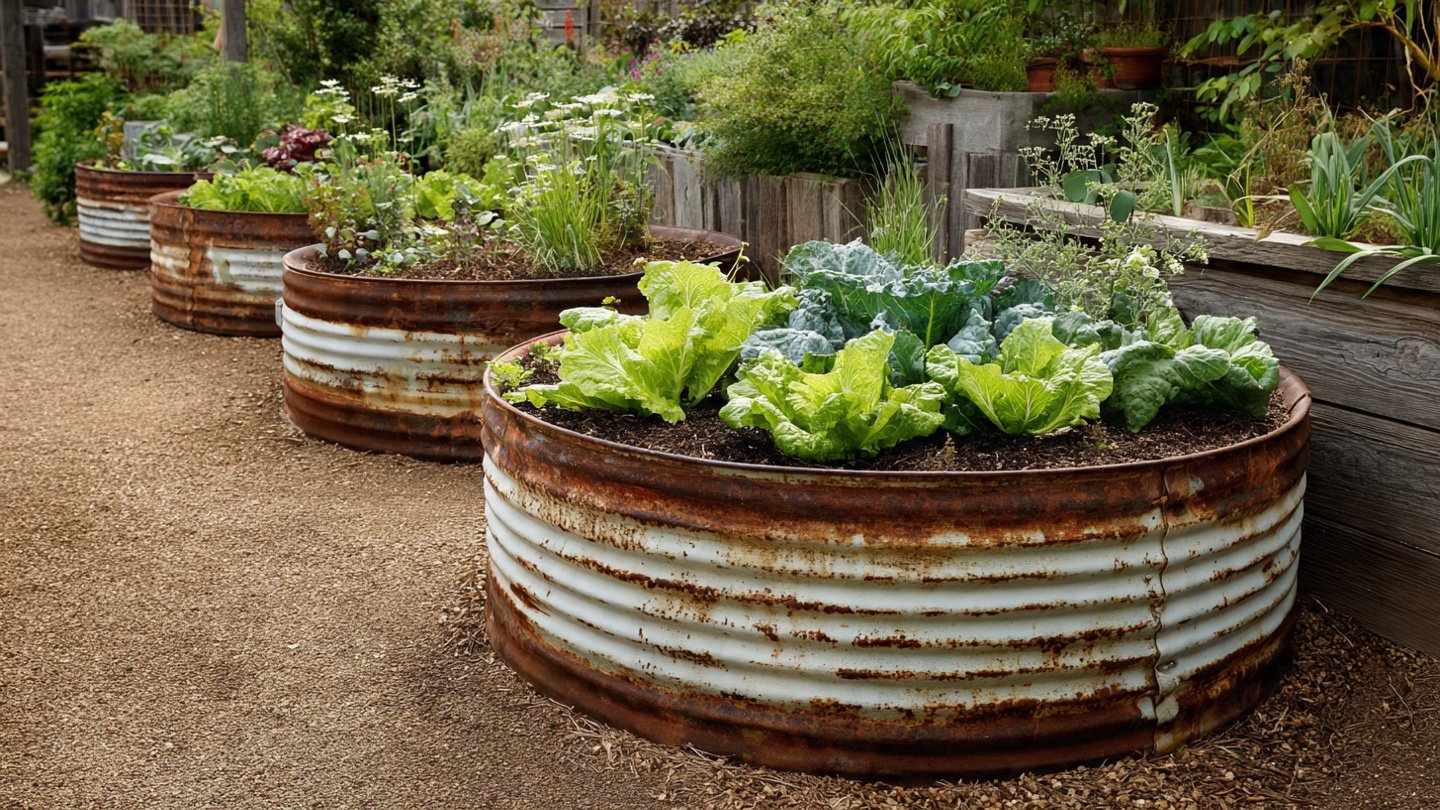
With the rise in popularity of urban gardening and sustainable living, more and more people are seeking creative ways to utilize old materials in their gardens. One particularly interesting avenue is the transformation of old metal livestock tanks into raised beds. These tanks offer a rustic charm and can be functional, sustainable, and very stylish. But how practical is this idea? Let’s explore the benefits, challenges, and techniques for turning these vintage pieces into beautiful raised beds.
Understanding Metal Livestock Tanks
Traditionally used for holding water for livestock, metal tanks can vary in size and shape. Typically made from galvanized steel or aluminum, they are durable and resistant to decay, unlike wooden structures that can succumb to rot over time. However, before diving into the conversion process, it’s essential to understand a few things:
- Materials Used: Most tanks are made from metals that can withstand outdoor elements. This makes them a good candidate for raised beds.
- Drainage: Metal tanks offer unique drainage options. While they hold moisture well, proper drainage is necessary to prevent root rot.
- Heat Retention: Metal can retain heat, which may benefit or hinder plant growth depending on the climate.
Benefits of Using Metal Tanks as Raised Beds
Transforming old metal livestock tanks into raised garden beds comes with numerous advantages:
- Durability: Metal tanks are built to last. They can withstand harsh weather and pests much better than wooden alternatives.
- Unique Aesthetic: They add a vintage, rustic look to any garden space, creating a focal point that can enhance the overall design.
- Cost-effective: Repurposing an old tank is often much cheaper than building a new raised bed from scratch.
- Space Optimization: For those with limited gardening space, these tanks can be placed in various locations, including patios, balconies, or gardens.
Challenges and Considerations
While there are numerous benefits, there are also a few challenges to consider when transforming old metal livestock tanks into raised beds:
- Rust and Corrosion: Depending on their age and previous use, tanks may suffer from rust, which can adversely affect plants.
- Heat Issues: In warmer climates, metal tanks can overheat, damaging root systems. This can be managed with careful plant selection and watering strategies.
- Weight: Metal tanks can be heavy, especially when filled with soil. Ensure your intended location can support the tank when filled.
- Chemical Treatments: Ensure that the tanks have not been treated with harmful chemicals that could leach into the soil.
Steps to Transform Metal Tanks into Raised Beds
If you’ve weighed the pros and cons and decided to forge ahead with this gardening project, here are practical steps to transform your old metal livestock tanks into stylish raised beds:
- Choose the Right Tank: Select tanks that are in good condition, preferably without rust, and of a size that suits your garden space.
- Prepare the Tank: Clean the tanks thoroughly to remove any residue or contaminants. Ensure there are no sharp edges that could harm you or the plants.
- Add Drainage Holes: To improve drainage, drill holes in the bottom of the tank. This will help prevent pooling water and root rot.
- Line the Bottom: Consider lining the bottom with landscaping fabric to minimize soil loss while allowing water to drain.
- Fill with Suitable Soil: Use a high-quality soil mix tailored for raised beds. A mix of topsoil, compost, and other amendments will provide the best growing environment.
- Plan Your Planting: Choose plants that suit your aesthetic and climate. Some may thrive in the warmer conditions of a metal tank, while others may not.
- Maintain Regular Care: Water the plants as necessary, and monitor the soil temperature to adjust care accordingly.
Conclusion
Transforming old metal livestock tanks into raised beds is not only a sustainable choice but also an opportunity for creativity and aesthetic enhancement in your garden. They provide resilience against the weather and pests, giving you a unique place to grow your favorite plants. However, like any gardening project, it requires thoughtful planning and consideration of the challenges. With the right approach, you can turn an outdated piece of farm equipment into a stylish and functional addition to your outdoor space.
FAQs
1. Can I use any type of metal tank for this project?
While most metal tanks can be used, make sure they are not heavily rusted, have not been treated with chemicals, and can support the weight of soil and plants.
2. How do I prevent rust in my metal tank?
Regularly check for signs of rust and treat with rust inhibitors if necessary. Keeping the tank clean and avoiding prolonged exposure to moisture can also help.
3. Do metal raised beds need more frequent watering?
Due to their heat retention properties, metal raised beds may require more frequent watering, especially in hot weather. Monitor soil moisture regularly.
4. Can I paint my metal tank?
Yes, if you wish to paint your tank, ensure you use non-toxic, rust-resistant paint that is safe for garden use.
5. What plants grow best in metal tanks?
Consider heat-tolerant plants such as peppers, tomatoes, and herbs. Always choose plants that will flourish in your climate and the tank’s conditions.