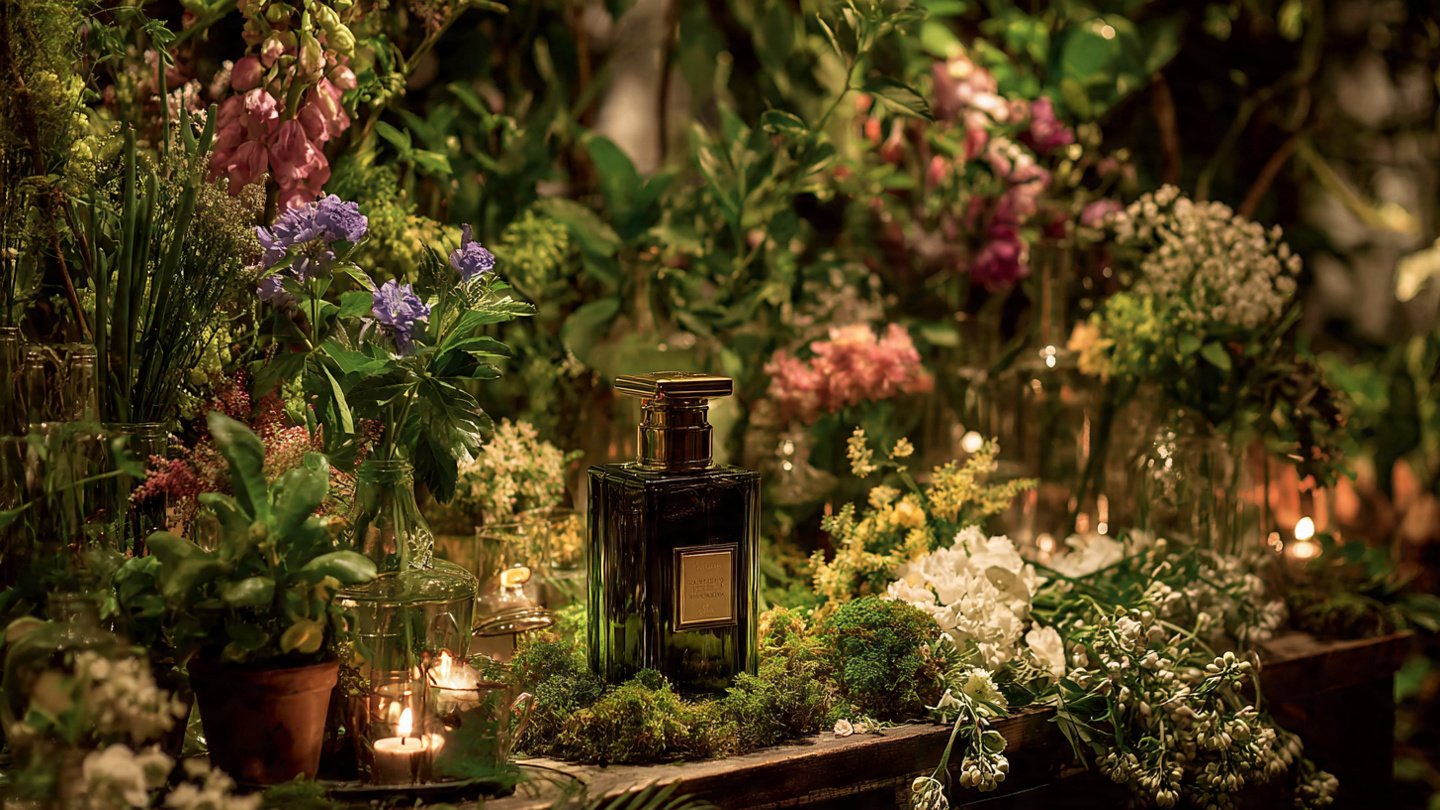
Creating a perfume garden at home is an exciting endeavor that allows you to combine your love for plants with your passion for fragrance. A perfume garden can bring the essence of nature right to your doorstep, filling your home and outdoor spaces with delightful scents. But how can you truly capture nature’s essence within the confines of your garden? Let’s explore what it takes to create a fragrant oasis.
Understanding the Concept of a Perfume Garden
A perfume garden is more than just a collection of fragrant plants; it’s a thoughtfully arranged space that engages the senses. The primary goal is to cultivate a variety of aromatic plants that can be used for both aesthetic and practical purposes. These gardens can include traditional flowerbeds, herbs, and shrubs that emit pleasing scents and may even serve as ingredients for homemade perfumes or potpourri.
Choosing the Right Location
The location of your perfume garden plays a crucial role in its success. Here are some factors to consider when selecting the perfect spot:
- Sunlight: Most fragrant plants need full sun (6-8 hours a day). Assess how much sunlight your chosen area receives.
- Drainage: Good drainage is essential to prevent root rot in aromatic plants. Ensure your chosen spot does not retain excess water.
- Accessibility: Make your garden easily accessible for maintenance and harvesting herbs or flowers.
Selecting Fragrant Plants
Once you’ve chosen your location, it’s time to select the plants you want to include in your perfume garden. Here are some top choices:
1. Lavender
Lavender is a classic choice for any perfume garden. Its calming aroma is perfect for relaxation and can be used in sachets, oils, or infusions.
2. Roses
The fragrant variety of roses can provide depth to your garden. Different species emit varying scents, from sweet to fruity. They can be used in perfumes or enjoyed fresh.
3. Jasmine
Known for its intense fragrance, jasmine blooms add a romantic touch to your garden. It’s often used in perfumes and has a delightful aroma that fills the air during the evening hours.
4. Geranium
Certain varieties of geranium, particularly the scented ones, offer delightful fragrances. Their leaves can be used to create herbal blends or oils.
5. Mint
This herb is not just for culinary use; mint’s refreshing aroma can invigorate the senses. You can grow several varieties, including spearmint and peppermint.
6. Lemon Balm
Lemon balm is great for its citric scent, perfect for making refreshing teas or adding zest to your potpourri.
Designing Your Garden Layout
The arrangement of plants in your perfume garden is key to maximizing scents. Here are some design ideas:
- Grouped Planting: Group plants with similar watering and sunlight needs. This will make caring for your garden easier and ensure that each plant thrives.
- Layering: Place taller plants like roses and lavenders behind shorter plants to create depth and visual appeal.
- Pathways: Consider creating walking paths through your garden to encourage exploration and enhance the sensory experience. Use stones or mulch for easy maintenance.
Harvesting and Creating Your Own Fragrance
One of the most rewarding aspects of a perfume garden is the ability to create your own fragrances. Here’s how to begin:
1. Harvesting
When harvesting fragrant plants, do it in the morning when oils are most concentrated. Use sharp scissors or small shears to snip the flowers and leaves without damaging the plant.
2. Infusing Oils
To capture the essence of your fragrant plants, consider creating infused oils. Combine fresh flowers or herbs with carrier oils such as jojoba or sweet almond oil. Let the mixture sit in a dark, cool place for a few weeks. Strain and use the oil in perfumes, lotions, or soap making.
3. Distillation
If you’re feeling adventurous, you can try distilling your own essential oils at home. This process requires a still and some knowledge of the procedure, but the results can be immensely satisfying.
Maintenance Tips
Creating Other Fragrant Experiences
A perfume garden isn’t limited to just flowers and herbs. You can enhance your fragrant experience with several other elements:
- Pathway Plants: Incorporate aromatic ground cover plants to release scents when walked upon.
- Scented Candles: Create an ambiance by incorporating homemade or store-bought scented candles in your garden area.
- Decorative Elements: Add soothing water features or wind chimes to enhance the sensory experience.
Conclusion
Creating a perfume garden at home is more than just an aesthetic endeavor; it’s an immersive experience that allows you to cultivate the essence of nature in your daily life. With careful planning, thoughtful selections of plants, and proper maintenance, you can build a fragrant oasis that not only pleases the senses but also serves as a source of creativity and relaxation. Embrace the beauty of scents, and let your garden reflect the natural world’s aromatic wonders. The journey of creating your own perfume garden can transform your outdoor space into a true paradise, inviting you to connect with nature in a profoundly fragrant way.
FAQs
1. What plants are best for a perfume garden?
Some of the best plants include lavender, roses, jasmine, mint, and geraniums. Each offers unique scents that can enhance your fragrant oasis.
2. Can I create a perfume garden in a small space?
Yes! Container gardening allows you to cultivate fragrant plants in smaller spaces, such as balconies or patios.
3. How do I maintain the scents in my garden?
Regular watering, pruning, and fertilizing will help maintain healthy plants and ensure the aromas remain strong.
4. Can I really distill my own perfume?
Yes, but it requires specialized equipment and some knowledge of the process. Start with infused oils if you are a beginner.
5. What is the best time to harvest fragrant plants?
The best time to harvest is in the morning when the oils are most concentrated in the plant’s leaves and flowers.