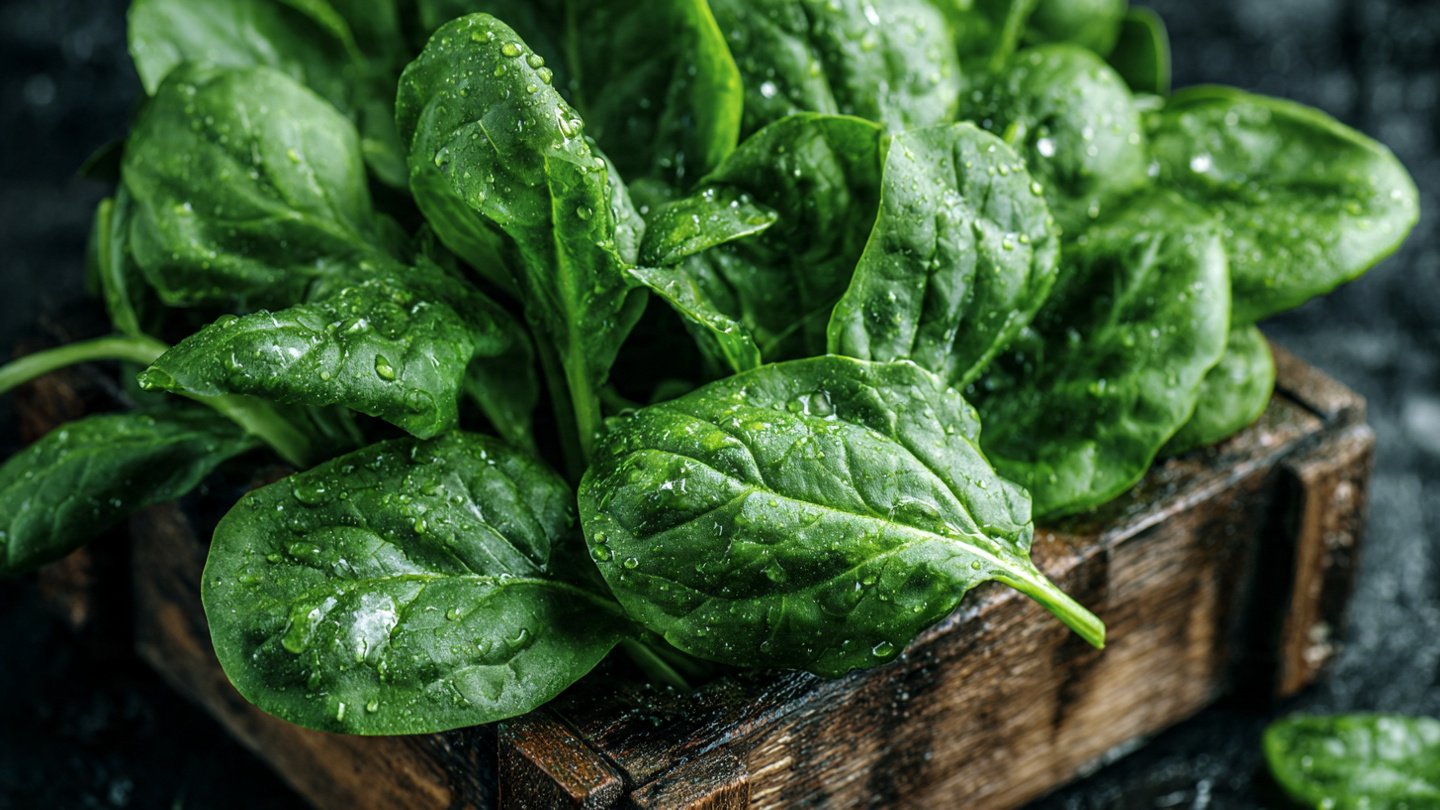
Spinach is often hailed as a superfood due to its numerous health benefits. This leafy green is packed with vitamins, minerals, and antioxidants, making it an excellent addition to smoothies. But have you ever considered growing your own spinach? Not only can fresh spinach enhance the nutritional value of your smoothies, but cultivating your own greens can be a rewarding and sustainable practice. In this article, we’ll explore the ins and outs of growing spinach to create the perfect healthy smoothie.
The Benefits of Growing Your Own Spinach
Before diving into the gardening specifics, it’s essential to understand the benefits of growing your own spinach:
- Freshness: Homegrown spinach is fresher than store-bought options, ensuring higher nutritional content.
- Flavor: The taste of freshly harvested spinach is more robust and vibrant compared to store varieties.
- Cost-effective: Cultivating your own spinach can save you money in the long run.
- Control over Growth: You have complete control over what goes into your spinach, avoiding pesticides and other chemicals.
- Environmental Impact: Growing your own food reduces carbon footprint associated with transportation and packaging.
Choosing the Right Spinach Variety
When it comes to spinach, several varieties exist, each with unique characteristics. Here are some popular types:
- Flat-leaf Spinach: Known for its smooth, broad leaves, this variety is often preferred for cooking and smoothies.
- Savoy Spinach: This type has crinkly leaves and is great for salads but may contain more dirt, making it slightly harder to wash.
- Baby Spinach: Young leaves are tender and mild in flavor, making them perfect for smoothies.
For smoothie purposes, baby spinach or flat-leaf spinach is recommended due to their smooth texture and mild flavor.
How to Grow Spinach: A Step-by-Step Guide
Growing spinach is relatively straightforward, even for beginners. Here’s a step-by-step guide to help you cultivate your spinach:
1. Choose the Right Location
Spinach thrives in a location that receives partial to full sunlight. Aim for a spot that receives at least 6 hours of sunlight daily. If you live in a warmer climate, consider providing some shade during the hottest part of the day.
2. Prepare the Soil
Spinach prefers well-draining, nutrient-rich soil. Follow these steps to prepare your soil:
- Test the soil pH. Spinach grows best in a pH range of 6.0 to 7.0.
- Amend the soil with compost or well-rotted manure to improve fertility.
- Ensure the soil is loose and crumbly to allow for good root growth.
3. Sow the Seeds
Seeds can be sown directly into the garden bed or in pots. Here’s how:
- Sow seeds about ½ inch deep and 2 inches apart.
- If using a garden bed, thin seedlings to about 3-6 inches apart once they have sprouted, to give them room to grow.
- Water gently after sowing to avoid displacing the seeds.
4. Watering Requirements
Spinach requires consistent moisture, especially during the germination phase. Water the plants regularly, ensuring the soil remains moist but not waterlogged. A good rule of thumb is to water at least once a week, more frequently in hot weather.
5. Fertilization
Utilize a balanced fertilizer to nourish your spinach. Compost teas or organic fertilizers are great options. Apply fertilizer every 4-6 weeks during the growing season to promote healthy growth.
6. Harvesting Spinach
Spinach is typically ready to harvest about 30-45 days after sowing. Here’s how to properly harvest:
- Pick the outer leaves first, allowing the inner leaves to continue growing.
- Use scissors or shears to cut the leaves, which prevents damage to the plant.
- Always harvest in the morning when leaves are crisp and hydrated.
Creating the Perfect Spinach Smoothie
Now that you’ve successfully grown your own spinach, it’s time to incorporate it into a delicious smoothie. Here’s a simple recipe:
Green Spinach Smoothie Recipe
- 1 cup fresh spinach leaves
- 1 ripe banana
- 1/2 cup Greek yogurt (optional for creaminess)
- 1 cup of almond milk (or other plant-based milk)
- 1 tablespoon honey or maple syrup (for sweetness)
- A handful of ice cubes (optional)
Instructions:
- Place all ingredients into a blender.
- Blend on high until smooth.
- Taste and adjust sweetness if necessary.
- Pour into a glass and enjoy!
Conclusion
Growing your own spinach is not only achievable but also incredibly rewarding. With the right conditions and care, you can enjoy fresh spinach in your smoothies, enhancing their flavor and nutritional benefits. Whether you have a garden, balcony, or a simple pot by the window, the effort invested in growing spinach can lead to delicious and healthful outcomes.
So, go ahead, take the plunge, and experience the joy of cultivating your own leafy greens for that perfect healthy smoothie!
FAQs
1. How long does it take for spinach to grow?
Spinach typically takes about 30-45 days from sowing to harvest, depending on the variety and growing conditions.
2. Can I grow spinach indoors?
Yes, spinach can be grown indoors in containers as long as they receive sufficient light (ideally 6 hours of sunlight a day) or use grow lights.
3. What is the best time to plant spinach?
Spinach is a cool-season crop. The best time to plant it is in early spring or fall when temperatures are cooler.
4. How often should I water spinach?
Water spinach regularly, ensuring that the soil stays moist but not soggy. Typically, watering once a week is sufficient unless it’s particularly warm or dry.
5. Can I freeze spinach for later use in smoothies?
Yes! Blanch the spinach leaves for a minute, cool them in ice water, then freeze for use in smoothies later. This helps maintain flavor and nutritional value.