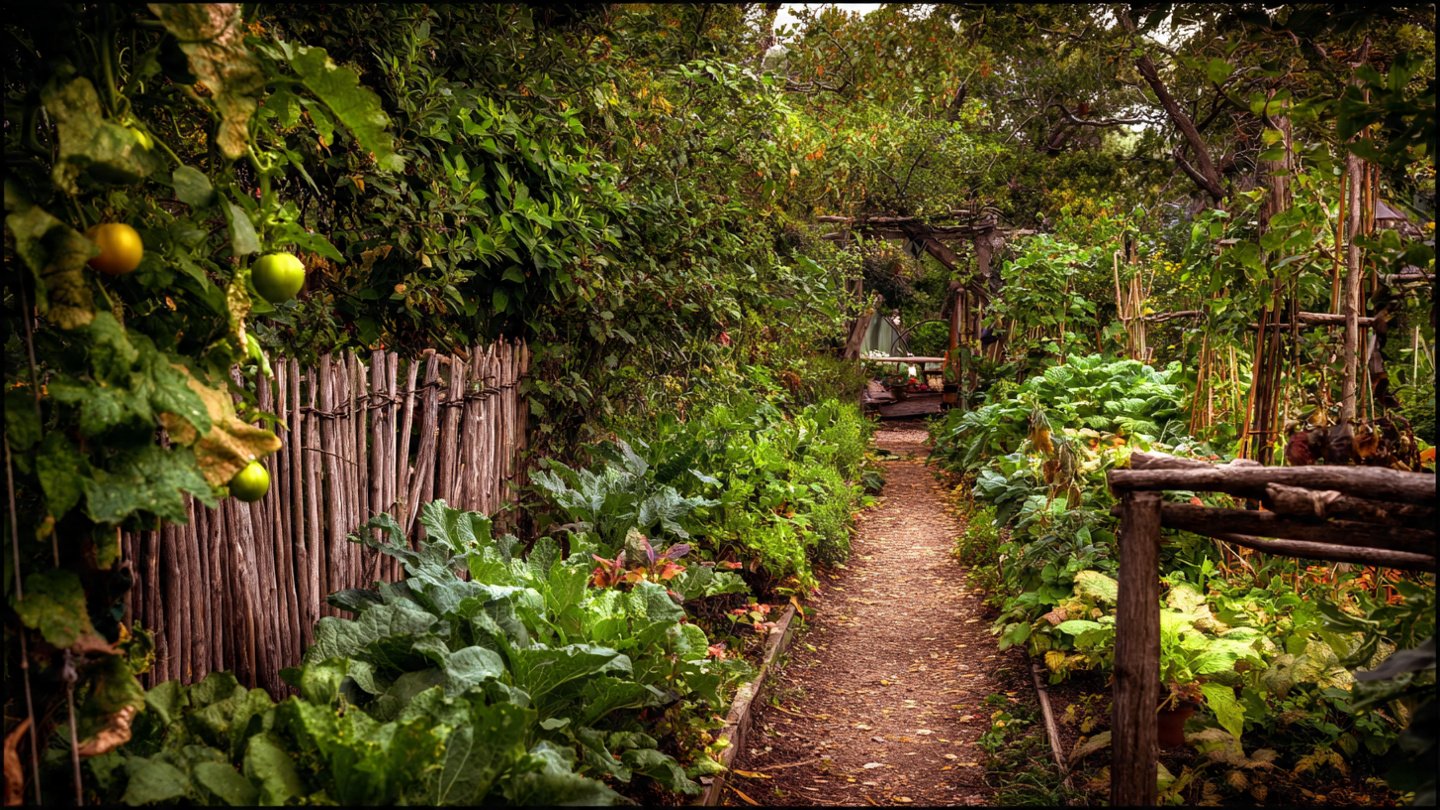
Gardening, particularly kitchen gardening, stands as a profound blend of nature, science, and art. The act of cultivating vegetables, herbs, and fruits not only serves the practical purpose of providing fresh ingredients but also offers a therapeutic escape from the frenetic pace of modern life. At the heart of succeeding in a kitchen garden lies a crucial practice: daily observations. This article will explore how consistent, mindful observation can significantly enhance your gardening experience and nurture your success.
The Importance of Daily Observations
Understanding Your Garden Ecosystem
Gardens operate as intricate ecosystems. Each element, from soil chemistry to plant health and even local wildlife, plays a critical role in the overall productivity of your garden. Daily observations allow you to develop an intimate understanding of these interactions:
-
Soil Health: Checking your soil daily helps you gauge moisture levels, temperature, and overall pH balance. This knowledge is vital for understanding when to water or amend your soil.
-
Plant Growth: Observing your plants can reveal growth patterns, disease resistance, and the haven’t-were-your-has-been of various species. You might notice which plants thrive in your specific microclimate and which ones falter.
-
Pests and Diseases: Catching pests or disease early can save your garden. Daily examination can help identify signs like discoloration, wilting leaves, or unusual growth.
Tracking Weather Conditions
Weather conditions have a profound impact on gardening outcomes. Daily recording of temperature, precipitation, and even humidity can provide insights that allow you to adapt your practices efficiently:
-
Frost Alerts: Noting nighttime temperatures can help you gauge the risk of frost, allowing you to cover vulnerable plants or delay planting entire crops.
-
Rainfall Measurements: Understanding how much rain your garden receives helps you determine your watering needs and adjust your irrigation system accordingly.
Learning Through Failure
Every gardener faces challenges, from withering plants to pest invasions. Daily observation allows you to learn from failures:
-
Documenting Mistakes: Keeping a gardening journal and noting what happened and the environmental conditions around those events can provide insights into what went wrong.
-
Adaptability: A gardener who is keenly aware of their environment can adjust their strategies based on previous experiences, ensuring ongoing improvement and success.
The Role of Technology in Daily Observations
In the modern era, technology can be a substantial ally. Gardeners can employ various tools and applications to enhance their observational capabilities:
Garden Planning Software
Many programs and apps can help you chart your garden layout, note which plants are thriving, and even predict weather patterns based on historical data.
Smart Sensors
Soil moisture sensors, temperature gauges, and even garden cameras can provide real-time data about your garden’s conditions. Such technology can offer instant alerts when conditions change, enabling you to react promptly.
Daily rituals of observation
Establishing a daily routine for garden observations can make this practice more effective and enriching.
Morning Rounds
Early morning is often the most tranquil time in the garden. This quiet period allows you to reflect and take stock:
-
Inspecting Plants: Look for signs of stress like drooping leaves, discoloration, or signs of pests. Use a magnifying glass if necessary to observe tiny infestations.
-
Nutrient Needs: Notice the color of leaves; dark green can indicate healthy nitrogen levels, while yellowing leaves might suggest a deficiency.
Midday Check-Ins
At midday, visiting your garden allows you to:
-
Assess Water Needs: Checking the soil moisture with your finger can help you determine if plants require watering.
-
Observe Pollinators: Midday is often when pollinators are active. Observing which plants attract them can guide future planting.
Evening Reflections
An evening stroll provides opportunities to do some deeper thinking:
-
Assessing Growth: Observe how much the plants have grown since morning and take note of any rapid changes.
-
Planning for Tomorrow: Using this reflective time to log your observations helps prepare for tomorrow’s tasks, whether it’s to water, adjust, or plan for seasonal changes.
Keeping a Gardening Journal
Another powerful tool is the gardening journal. Here’s how to utilize this resource effectively:
Recording Observations
Dedicate a section to daily observations, including:
- Weather conditions
- Growth rates of different plants
- Pest sightings and their reactions
- Overall garden health
Reflecting on Changes
At the end of each week or month, review your notes. Look for patterns or recurring issues and develop action plans to address them.
Learning and Growing
Gardening is a continuous learning experience. Use your journal to reflect:
- What strategies worked?
- What did not work?
- What plants thrived, and which ones faltered?
Seasonal Changes and Observational Learning
Your kitchen garden will change with the seasons. Observing these changes will help improve your methods and ensure you’re always prepared:
Spring Preparation
During spring, detailed observation will help you:
- Understand when to plant different crops based on local conditions.
- Keep track of late frosts and adjust planting schedules accordingly.
Summer Maintenance
In summer, diligent observation ensures:
- Effective pest management.
- Optimal watering schedules, accounting for higher evaporation rates.
Autumn Harvest
In autumn, note:
- The best times to harvest each plant.
- When to start planning for winter crops or prepping the garden for the next season.
Winter Reflection
Even in winter, keep observing:
- Lay out plans for the spring.
- Reflect on what worked and what did not.
Embracing Mindfulness in the Garden
Gardening isn’t just about plants; it’s also a practice in mindfulness. Daily observations encourage gardeners to slow down and appreciate the process:
Engage Your Senses
Use your observations to engage all of your senses:
- Sight: Notice colors, shapes, and textures.
- Sound: Listen to birds and insects, the rustling leaves in the wind.
- Touch: Feel the soil, leaf textures, and moisture levels.
Savoring the Moment
The act of observing can encourage a deeper appreciation for the natural world, allowing you to savor the fruits of your labor and embrace every aspect of your gardening journey.
Conclusion
The journey of cultivating a kitchen garden is filled with challenges and joys, and daily observations play a pivotal role in enhancing that experience. By understanding your garden’s ecosystem, leveraging technology, keeping a gardening journal, and embracing the practice of mindfulness, you position yourself for greater success.
Whether you are a novice or an experienced gardener, making daily observations a central part of your routine can lead to discoveries about your garden—and yourself—that propel your gardening journey forward. Each observation not only informs your practices but deepens your relationship with the nature surrounding you, ultimately leading to a bountiful harvest and a life enriched by the experience of gardening. Embrace this journey with keen eyes and an open heart; your kitchen garden awaits.