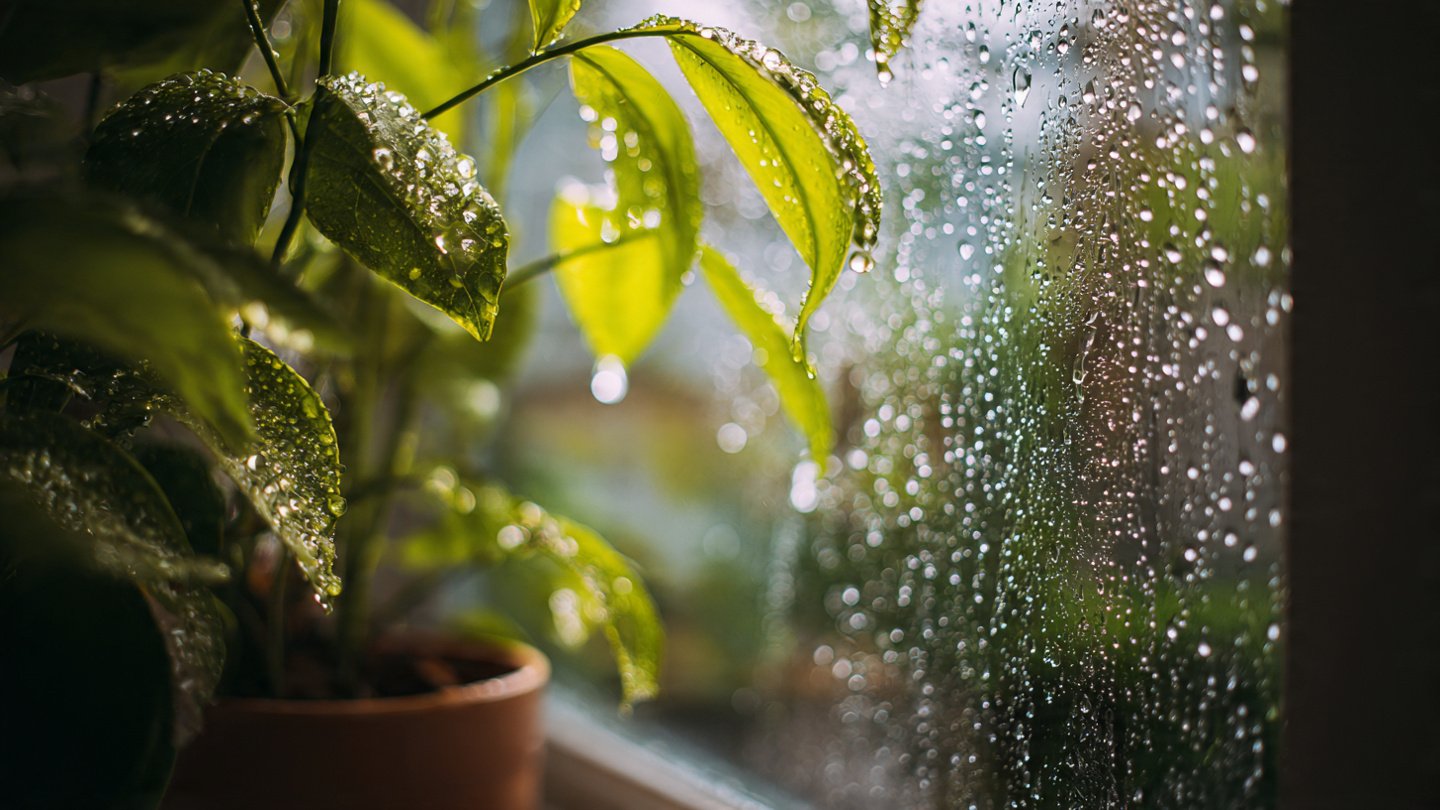
There’s nothing quite like the refreshing scent that fills the air after a rain shower. Many people describe this aroma as “fresh” or “clean,” and it’s a certain fragrance that can invoke memories of childhood days spent exploring puddles and splashing in the rain. But have you ever stopped to consider what causes this delightful scent? In this article, we will explore the scientific factors that contribute to the unique smell of rain, often called “petrichor,” and why it has a lasting impact on the atmosphere of your home.
The Science Behind Petrichor
The term “petrichor” was first coined in the 1960s by two Australian researchers who wanted to describe the earthy scent produced when rain falls on dry soil. This enticing scent can be attributed to a combination of various elements:
- Essential Oils: Plants secrete oils during dry periods. When it rains, these oils are released into the air, contributing to that distinctive fresh smell.
- Geosmin: This is a natural compound produced by soil-dwelling bacteria. It has a musty, earthy odor and is released into the air when raindrops hit the ground.
- Ozone: Thunderstorms can produce a sharp, clean smell from the presence of ozone. It is formed from oxygen molecules when lightning splits the O2 molecules, resulting in O3, the molecule that gives that fresh, clean smell.
How Rain Affects Indoor Air Quality
After a rainstorm, the air quality inside our homes generally improves. This improvement can be linked to several factors:
- Pollutant Removal: Rain helps remove pollutants and particulates from the air. This includes dust, smoke, and other airborne contaminants that can linger indoors.
- Humidity Levels: Rain enhances humidity levels temporarily, promoting the growth of healthy indoor flora, like houseplants, which contribute to cleaner air.
- Enhanced Ventilation: Many homeowners open their windows after rain to let in the refreshing scent, creating cross-ventilation that enhances air quality.
Creating a Fresh Atmosphere at Home
If you love the smell after it rains, you can create similar sensations in your home by employing certain techniques. Here are some effective methods to replicate that fresh atmosphere:
- Essential Oil Diffusers: Using essential oils like eucalyptus, peppermint, or citrus can evoke a clean and refreshing scent similar to that of fresh rain.
- Houseplants: Incorporating plants improves indoor air quality and can bring the earthy smell of nature indoors. Plants like spider plants, snake plants, and peace lilies are excellent choices.
- Regular Cleaning: Maintain a clean living space by regularly dusting and vacuuming. A clean home allows natural odors to shine through.
- Open Windows: Whenever the weather permits, opening windows can allow fresh air to circulate and help eliminate stale indoor odors.
Seasonal Changes Affecting Indoor Smells
The scent of rain is not just a standalone experience; it can also be influenced by seasonal changes:
- Spring: During spring, the earth is awakening from winter slumber. The aroma of damp soil and blooming flowers contributes to richer scents.
- Summer: Warm summer rains can enhance the uplifting notes of petrichor, often making it smell sweeter due to the blooming flora.
- Autumn: As leaves fall and soil becomes enriched with organic matter, a different and more complex range of earthy odors emerges.
- Winter: Snow often delivers a unique crisp scent; when it melts and mingles with the warm ground, it can create an entirely different aroma.
The Psychological Effects of Fresh Scents
Fresh smells, especially those reminiscent of rain, can have notable psychological benefits:
- Stress Reduction: Natural scents can help reduce stress levels and promote feelings of calm and well-being.
- Improved Mood: Freshness often associates with cleanliness and renewal, creating a positive atmosphere at home.
- Enhanced Focus: A clean, fresh-smelling space can help improve concentration and focus, making it easier to work or study.
Conclusion
Understanding why our homes smell fresh and clean after a rainstorm opens up a world of possibilities for creating a tranquil environment. The science behind petrichor, the improvement in indoor air quality, and the psychological benefits of fresh scents all point to the multifaceted nature of our sensory experiences. By embracing the elements that contribute to that delightful aroma, you can cultivate a home that feels refreshing and rejuvenating year-round. The natural connection we feel to scents is profound, and we can harness this knowledge to create havens of peace in our living spaces.
FAQs
What is petrichor?
Petrichor is the term used to describe the earthy scent that arises when rain falls on dry soil. It is caused by the release of plant oils and a compound called geosmin produced by soil bacteria.
Why does my home smell musty after rain?
A musty smell can occur if moisture seeps into your home, especially in basements or areas with poor ventilation. This can lead to mold growth, which contributes to unpleasant odors.
Can I recreate the smell of rain indoors?
Yes! You can use essential oils, scented candles, and houseplants to mimic the fresh, clean scent of rain in your home. Regular cleaning also helps maintain a fresh atmosphere.
Does rain affect indoor humidity levels?
Yes, rain can temporarily increase indoor humidity levels, especially if windows are opened. This added moisture can enhance the freshness of your home.
Are there any scents that help with relaxation similar to rain?
Scents like lavender, chamomile, and sandalwood are known for their calming properties. Incorporating diffusers or candles with these scents can help create a tranquil environment akin to the freshness of rain.