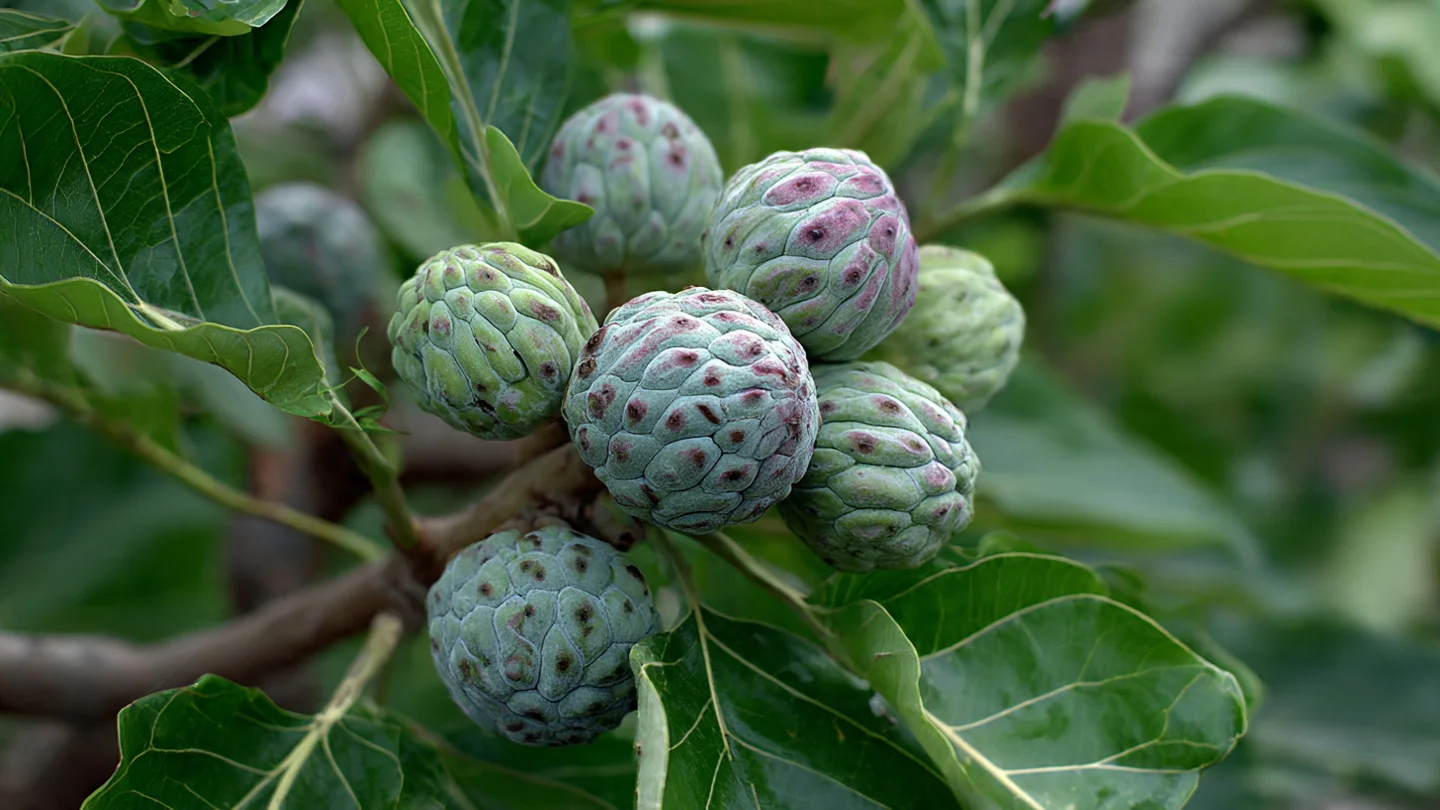
Custard apple, known scientifically as Annona squamosa, is a delightful tropical fruit cherished for its unique creamy texture and sweet, custard-like flavor. Often referred to as “sugar apple,” this fruit is not only delicious but also packed with nutrients. For beginners interested in gardening, growing custard apple from seed can be a rewarding venture. This guide provides a step-by-step process to help you successfully grow custard apples, along with tips and a FAQs section for common inquiries.
Understanding Custard Apple
Before delving into the practicalities of cultivation, let’s understand why custard apple is so cherished. The fruit, with its green, scaly exterior, contains a sweet, tender pulp that is highly nutritious, rich in vitamins A and C, and a good source of dietary fiber. Custard apples thrive in warm climates and can be grown in pots or directly in the garden, making them versatile for various spaces.
Step 1: Obtaining Quality Seeds
Choosing the Right Variety
Custard apples come in different varieties, each with unique flavors and sizes. Some popular types include:
- African Pride: Known for its large fruit and sweet flavor.
- Pink’s Mammoth: Features a pinkish hue and a creamy texture.
- Red Sugar Apple: Renowned for its rich taste and unique coloration.
Source Your Seeds
You can extract seeds from ripe custard apples purchased at your local market. Select a fully ripe fruit, as the seeds from unripe fruit are often immature and may not germinate well.
Step 2: Preparing the Seeds
Cleaning the Seeds
- Extract the Seeds: Cut the custard apple in half and remove the seeds carefully.
- Wash the Seeds: Rinse them under running water to remove any fruit residue. It’s crucial to ensure that the seeds are clean, as any remaining pulp can lead to mold growth.
Drying the Seeds
After cleaning, place the seeds on a paper towel and allow them to dry for a day or two. This helps in preventing mold and promotes better germination rates.
Step 3: Germination Process
Choosing a Germination Medium
Custard apple seeds can be germinated in various mediums, including:
- Seed Starting Mix: A light, well-draining mix suited for seed germination.
- Jiffy Pellets: Convenient and easy to use, allowing for quick root development.
Planting the Seeds
- Depth: Plant the seeds about an inch deep in the chosen medium.
- Spacing: If planting multiple seeds, give them about 2–3 inches of space to grow.
Watering and Conditions
- Watering: Mist the soil lightly to keep it moist but not soggy. Overwatering can lead to seed rot.
- Warm Environment: Custard apple seeds require warmth for germination. Maintain a temperature of around 25–30°C (77–86°F).
Germination Timeframe
Seeds generally take 2–4 weeks to germinate. Keep an eye on moisture levels and maintain warmth for optimal growth.
Step 4: Transplanting Seedlings
Once the seedlings develop at least two sets of true leaves (usually after 6-8 weeks), they are ready for transplantation.
Choosing the Right Pots or Garden Space
- Pots: Use 4-6 inch pots with drainage holes. A light, well-draining potting mix is essential.
- Garden Space: If planting directly in the garden, ensure the location has full sunlight and well-drained soil.
Transplanting Process
- Prepare the Soil: Loosen the soil and mix in organic matter like compost for added nutrients.
- Transplant Carefully: Gently remove the seedlings from their germination medium and transplant them into the new pots or garden space, ensuring not to damage the delicate roots.
Step 5: Caring for Your Custard Apple Plants
Watering
Regular watering is crucial, especially during the first few months. Ensure the soil remains moist but avoid waterlogging. As the plants grow, they may require less frequent watering.
Fertilization
Once your custard apple plant is established, feed it with a balanced fertilizer every 4-6 weeks during the growing season. Organic options like compost or well-rotted manure are excellent choices.
Pruning
Prune your custard apple tree to remove any dead or crowded branches. This encourages healthy growth and improves air circulation.
Pest and Disease Management
Keep an eye out for pests such as aphids and mealybugs. Use neem oil or insecticidal soap for treatment if necessary. Additionally, ensure good drainage and air circulation to prevent fungal diseases.
Step 6: Harvesting Custard Apples
Custard apples typically take about 4-6 months to bear fruit after blooming. The fruit will develop a unique sweet aroma when it’s ripe. Look for:
- Color Changes: The skin may turn slightly yellow or green.
- Softness: A gentle squeeze will indicate ripeness.
To harvest, use pruning shears to cut the fruit from the branch, ensuring that you don’t damage the tree.
FAQs
1. How long does it take to grow custard apple from seed?
Custard apple seeds generally take 2-4 weeks to germinate. After germination, the seedlings need about 4-6 months to mature enough to produce fruit, depending on conditions and care.
2. Do I need to cross-pollinate custard apples?
While custard apple trees can produce fruit without cross-pollination, having multiple trees may increase yield and improve fruit quality through better pollination.
3. Can custard apple trees grow in pots?
Yes, custard apple trees can be grown in pots as long as they have adequate space, sunlight, and drainage. Ensure the pot is at least 12-16 inches in diameter for optimal growth.
4. What climate is best for custard apple cultivation?
Custard apples thrive in tropical and subtropical climates. They require well-drained soil and plenty of sunlight. Ideal temperatures range between 20-30°C (68-86°F).
5. What pests should I watch out for?
Common pests include aphids, mealybugs, and fruit flies. Regular checks and maintaining plant health can prevent infestations.
6. How can I propagate custard apple from cuttings?
Cuttings can be taken from healthy branches. Allow them to dry for a day, then plant them in a prepared medium. Keep the cuttings moist until they root.
Conclusion
Growing custard apple from seed can be an enriching gardening experience for beginners. With the right care, you can enjoy the sweetness of home-grown custard apples while also nurturing a vibrant addition to your garden. By following this guide, including tips on seed preparation, germination, transplanting, and overall care, you can successfully navigate through the various stages of growing this unique fruit. Happy gardening!