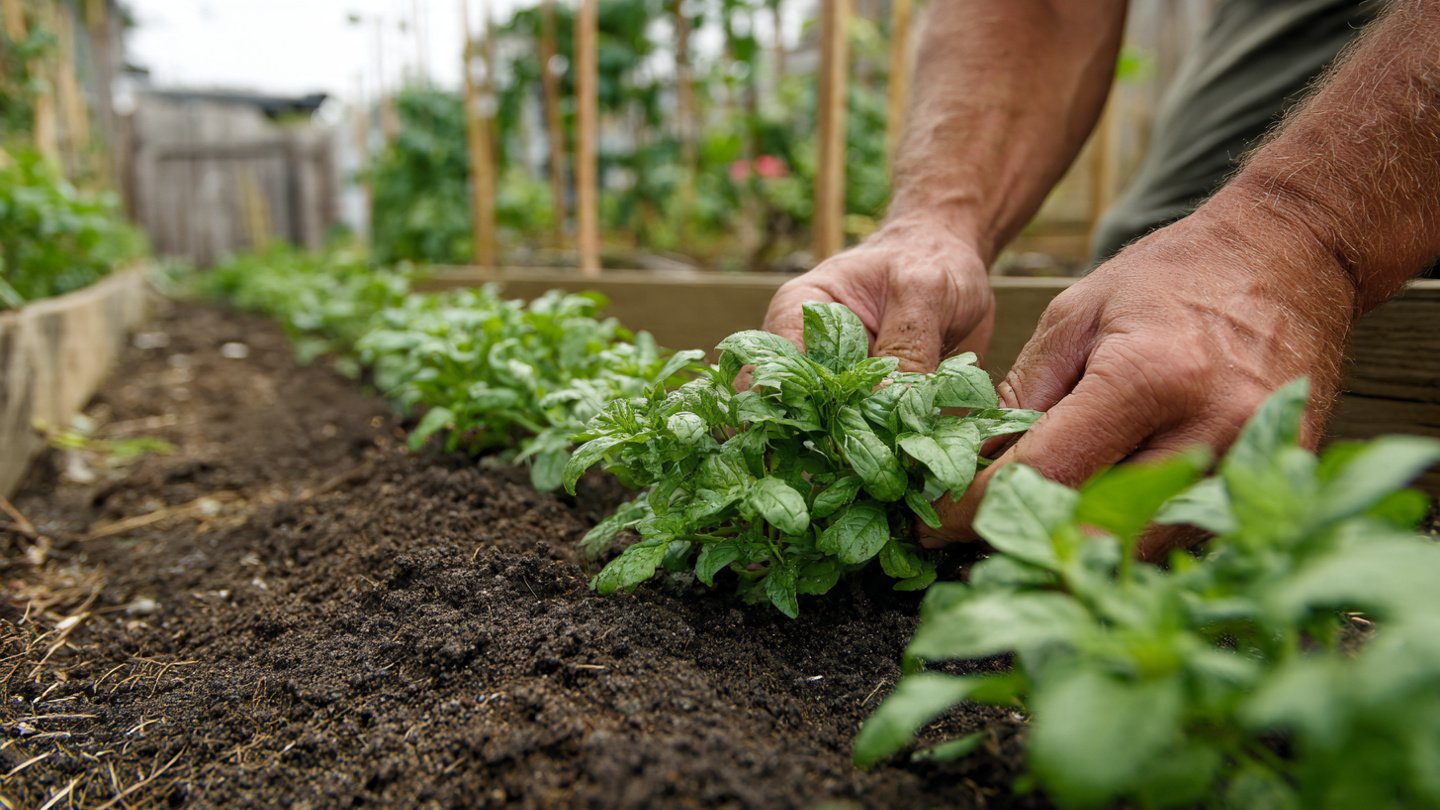
Kitchen gardens, often referred to as vegetable gardens, have become increasingly popular among urban dwellers and sustainability enthusiasts. They offer a straightforward way to grow fresh, organic produce at home. However, several environmental factors can impact the success of these gardens, one of which is wind. This article delves into the effects of wind on soil moisture in kitchen gardens, outlining the mechanisms through which wind affects moisture levels, the implications for plant health, their potential consequences, and strategies for mitigating these effects.
Understanding Wind and Its Characteristics
Wind is the movement of air caused by differences in atmospheric pressure. It can vary in speed and direction, and its impacts are felt differently depending on various environmental factors. Wind plays a vital role in weather patterns, pollination, and seed dispersal. However, it also has significant effects on moisture retention in the soil, particularly in small garden spaces where the environment is more controlled and susceptible to external influences.
The Mechanism of Wind Impact on Soil Moisture
1. Evaporation Rates
Wind promotes evaporation, leading to reduced soil moisture levels. As wind speed increases, the rate of evaporation from the soil surface also rises. This is particularly relevant in kitchen gardens, where the soil is often disturbed, allowing for quick evaporation. When air moves over the soil, it carries away the moisture on the surface and can create a drier environment in a matter of hours.
2. Soil Temperature
Wind can significantly influence soil temperature. Increased wind speed typically leads to lower soil temperatures at night but can cause higher temperatures during the day, primarily due to increased heat loss. These fluctuations can exacerbate evaporation rates. Warmer soils promote faster moisture loss, negatively impacting the plants that depend on consistent moisture levels.
3. Plant Transpiration
Wind affects not only the soil’s moisture levels but also the moisture content of the plants themselves. Transpiration—the process through which plants release water vapor—can increase with higher wind speeds. Plants use water for photosynthesis and nutrient transport; therefore, excessive transpiration can lead to a scenario where the demand for moisture exceeds what is available in the soil.
4. Soil Composition and Structure
Wind can also impact soil structure. In sandy soils, for example, the fine particles can be blown away, leading to a decrease in soil moisture retention capacity. Clay soils may retain more moisture but can become compacted due to gusts of wind, limiting water infiltration. The varying impacts of wind based on soil type complicate the relationship between wind and soil moisture.
Implications for Plant Health in Kitchen Gardens
The effects of wind on soil moisture have direct implications for plant health in kitchen gardens:
1. Water Stress
When soil moisture is reduced due to wind, plants can experience water stress. This condition occurs when plants lose water faster than they can absorb it from the soil, leading to wilting, stunted growth, and reduced yields. Vegetables such as tomatoes, lettuce, and beans require consistent moisture to thrive; thus, wind exposure can have a significant impact on their growth.
2. Nutrient Uptake
Water plays a crucial role in nutrient transport within the soil. When soil moisture is reduced due to wind, the ability of plants to uptake nutrients diminishes. This can lead to nutrient deficiencies, manifesting in symptoms such as yellowing leaves, poor fruit development, and increased vulnerability to diseases.
3. Pests and Diseases
Compromised plants are more susceptible to pests and diseases. Under stress conditions induced by wind-related moisture loss, plants may become vulnerable to infestations and infections, further complicating the management of kitchen gardens and reducing overall yields.
4. Crop Yield and Quality
Ultimately, the effects of wind on soil moisture can lead to decreased crop yields. High moisture stress due to wind can result in smaller fruits, lower-quality vegetables, and reduced harvest quantities. This impact can diminish the satisfaction and economic viability of kitchen gardening.
Strategies to Mitigate Wind Effects on Soil Moisture
While wind poses significant challenges to moisture retention in kitchen gardens, several strategies can help mitigate its effects. These methods range from physical barriers to cultural practices aimed at enhancing soil structure and moisture retention.
1. Windbreaks
One of the most effective ways to protect kitchen gardens from wind is to establish windbreaks. These can be made from trees, shrubs, or even fences. A well-placed windbreak can significantly reduce wind speed and turbulence, providing shelter for the garden and aiding in moisture retention.
- Types of Windbreaks: Consider using tall plants or a combination of trees and shrubs to create a layered effect. Solid barriers can obstruct wind but may also cause turbulence; thus, an ideal windbreak should allow for airflow while providing significant protection.
2. Mulching
Applying mulch around plants can minimize evaporation from the soil surface. Organic mulches, such as straw, wood chips, or grass clippings, not only conserve moisture but also improve soil structure and health over time. A layer of mulch can reduce soil temperature fluctuations and simultaneously suppress weed growth.
3. Soil Amendments
Incorporating organic matter into the soil can enhance its moisture retention capacity. Additions such as compost, peat moss, or well-rotted manure can improve both soil structure and nutrient-holding capacity. Moreover, they help create a more favorable environment for beneficial soil organisms, which in turn support plant health.
4. Irrigation Practices
Adopting efficient irrigation practices can counteract wind-induced moisture loss. Drip irrigation, for instance, delivers water directly to the root zones of plants, minimizing evaporation and ensuring a constant supply of moisture. Irrigating during cooler parts of the day, such as early morning or late evening, can also limit water loss due to evaporation.
5. Plant Selection
Selecting plants that are well-adapted to windy conditions can also be beneficial. Certain varieties may have deeper root systems or more robust foliage, making them more resilient to wind and moisture loss. Researching plants that are less susceptible to water stress can improve the overall health of the kitchen garden.
6. Bed Orientation and Design
The design and orientation of garden beds can have a significant impact on wind exposure. Aligning beds perpendicular to prevailing winds can help minimize their effects. Additionally, raised beds may enhance drainage and provide some measure of protection against intense winds.
Conclusion
Wind has multifaceted effects on soil moisture in kitchen gardens and requires careful consideration for successful gardening. Understanding the mechanisms through which wind influences soil moisture is essential for mitigating its adverse consequences on plant health, crop yield, and overall garden productivity. By employing strategies such as windbreaks, mulching, soil amendments, efficient irrigation, careful plant selection, and thoughtful design, gardeners can create an environment conducive to thriving vegetable crops.
A balanced approach to managing wind’s effects on moisture retention will allow kitchen gardeners to reap the rewards of their labor, ensuring a sustainable, productive, and healthy food source right at home. The joy of cultivating fresh vegetables is undoubtedly enhanced when growers are equipped with the knowledge and strategies to combat the challenges posed by nature.