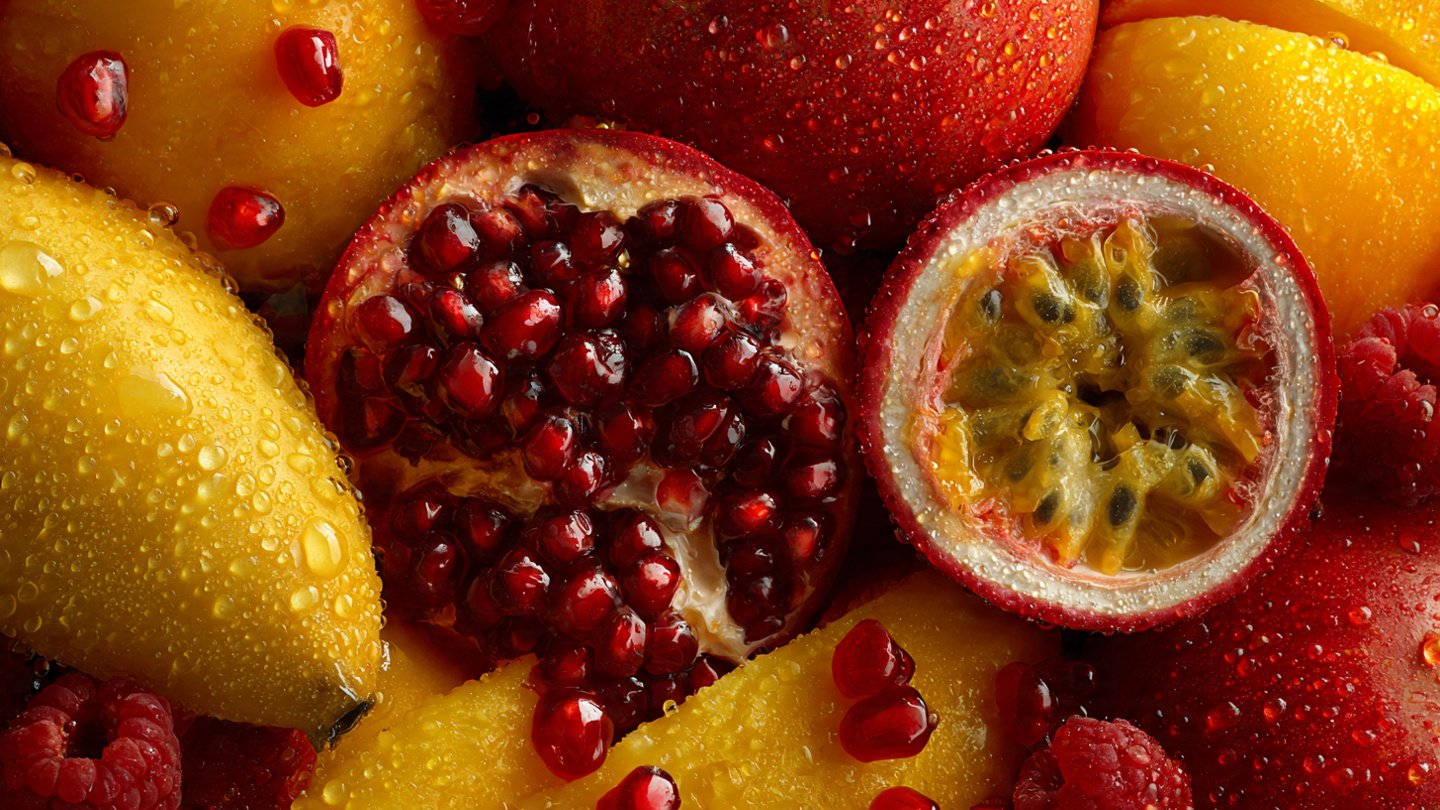
Fruits are not only a vital part of a balanced diet, rich in vitamins, minerals, and fiber, but they also bring an array of sensory experiences to our culinary world. Among these sensory characteristics, aroma plays a significant role in how we perceive and enjoy fruits. However, what many may not realize is that fruits are particularly susceptible to absorbing odors from their environment. This characteristic can be attributed to two primary factors: their porous structure and high moisture content. This article will explore these aspects in detail, along with their implications for storage, culinary applications, and health.
The Structure of Fruits
Porous Nature
The cellular structure of fruits is one of their most fascinating features. Fruits consist of a complex network of cells that include the epidermis (outer layer), mesocarp (middle layer), and endocarp (inner layer). The cells are made up of cell walls that contain a variety of polysaccharides, cellulose, and water. This structure creates a porous environment that allows the exchange of gases, water, and other volatile compounds.
These pores, or spaces between individual cells, act as a sponge, enabling fruits to absorb not only moisture but also odors from their surroundings. When fruits are exposed to aromatic substances—whether from other fruits, vegetables, or even environmental pollutants—they can effectively trap and retain these scents due to their porous nature.
High Moisture Content
Fruits typically contain a high percentage of water, often ranging from 70% to 95%. This significant moisture content not only affects their texture and juiciness but also enhances their ability to absorb odors. Water is an excellent solvent for many volatile compounds; thus, when fruits come into contact with odorous substances, the water in their cells can dissolve and retain these compounds, leading to changes in flavor and scent.
For instance, a slice of watermelon left in close proximity to a strong-smelling cheese can absorb some of that cheese’s odor, altering its original fresh aroma. This phenomenon occurs because the water-soluble components of the cheese can diffuse into the watermelon, affecting its sensory properties.
Factors Influencing Odor Absorption
Several variables can influence the extent to which fruits absorb odors:
1. Type of Fruit
Different fruits have varying degrees of porosity and moisture content, which affects their capacity to absorb odors. For example, berries like strawberries and raspberries have a more delicate structure compared to denser fruits like apples or pears. As a result, berries may absorb odors more readily. Conversely, fruits with tougher skins and denser flesh, such as bananas, may resist absorbing external odors to some extent.
2. Storage Conditions
The storage environment can significantly impact odor absorption. Fruits stored in airtight containers may retain their original scent longer, as they are isolated from other odor-producing foods. On the other hand, fruits left uncovered in the fridge or kitchen will be more susceptible to absorbing odors from surrounding foods. For instance, storing fruits alongside strong-smelling items like garlic or onions can lead to notable flavor changes.
3. Ripeness Stage
The ripeness of a fruit also plays a role in its ability to absorb odors. As fruits ripen, they undergo several biochemical changes, including increased permeability to gasses and odors. This heightened permeability makes ripe fruits more prone to absorbing external odors compared to unripe counterparts. For example, a ripe banana has a more porous structure and softer texture, making it easier for it to take on flavors from the environment.
4. Ethylene Production
Some fruits, like apples, bananas, and avocados, produce ethylene gas as they ripen. Ethylene not only influences ripening but also affects the scent profiles of surrounding fruits. For instance, if you store an avocado near a banana, the ethylene produced by the banana can speed up the ripening process of the avocado, resulting in a change in flavor and aroma.
Practical Implications of Odor Absorption
Understanding how fruits absorb odors has several practical implications, especially for consumers and those who work with fruits in culinary settings.
1. Storage Practices
To maintain the desirable flavor and scent profile of fruits, it is essential to adopt proper storage practices. Here are a few tips:
-
Separate Storage: Store fruits separately from strong-smelling items like onions, garlic, or certain cheeses. This will minimize odor transfer.
-
Ventilation: Ensure adequate ventilation in the storage area or use breathable bags to allow for air circulation, reducing moisture buildup that can lead to odor retention.
-
Use of Airtight Containers: When appropriate, use airtight containers to store cut fruits, preventing them from absorbing external odors.
2. Culinary Applications
The ability of fruits to absorb odors can be creatively exploited in culinary contexts. For instance:
-
Infusing Flavor: Fruits can be used intentionally to absorb flavors from herbs and spices. Muddling fruits with herbs can create delightful flavor combinations for cocktails or desserts.
-
Aromatic Pairings: When preparing fruit salads or compotes, consider the aroma of accompanying fruits. Some combinations may enhance or detract from the overall sensory experience.
-
Dessert Techniques: Use fruits to absorb the scent of flavored syrups or liqueurs, resulting in enhanced taste profiles in dishes.
3. Health Considerations
While the absorption of odors can enhance flavor, it can also pose health risks. Fruits stored near chemicals or pollutants may absorb harmful compounds, leading to potential health issues. Therefore, it is crucial to ensure that storage conditions are clean and free from hazardous substances.
The Science of Odor Perception
The ability of fruits to absorb and retain odors also ties into the science of sensory perception. The human sense of smell is closely linked to taste, and the overall flavor experience is influenced by both. When fruits absorb foreign odors, the brain registers these changes, potentially leading to altered taste perceptions.
Volatile Compounds
Fruits emit specific volatile compounds that contribute to their characteristic aromas. When these compounds are replaced or augmented by other odors, the overall flavor profile can shift dramatically. This is particularly evident in flavor pairings in culinary applications where aroma plays a crucial role.
Cultural Considerations
Different cultures have developed unique practices and preferences for fruit selection, storage, and consumption, often based on the perception of aroma and flavor. Understanding how odor absorption works can help inform these cultural practices, enhancing culinary traditions worldwide.
Conclusion
Fruits are remarkable not only for their nutritional benefits but also for their complex sensory properties, particularly aroma. Their porous structure and high moisture content make them highly susceptible to absorbing odors from their environment. This characteristic influences storage practices, culinary applications, and even health considerations.
By understanding how and why fruits absorb odors, consumers can make informed choices to enhance their culinary experiences, preserve the natural qualities of fruits, and appreciate the intricate science behind flavor perception. Whether it’s selecting the right storage methods or experimenting with flavor combinations, the fascinating relationship between fruits and odors opens up a myriad of possibilities in the kitchen and beyond.