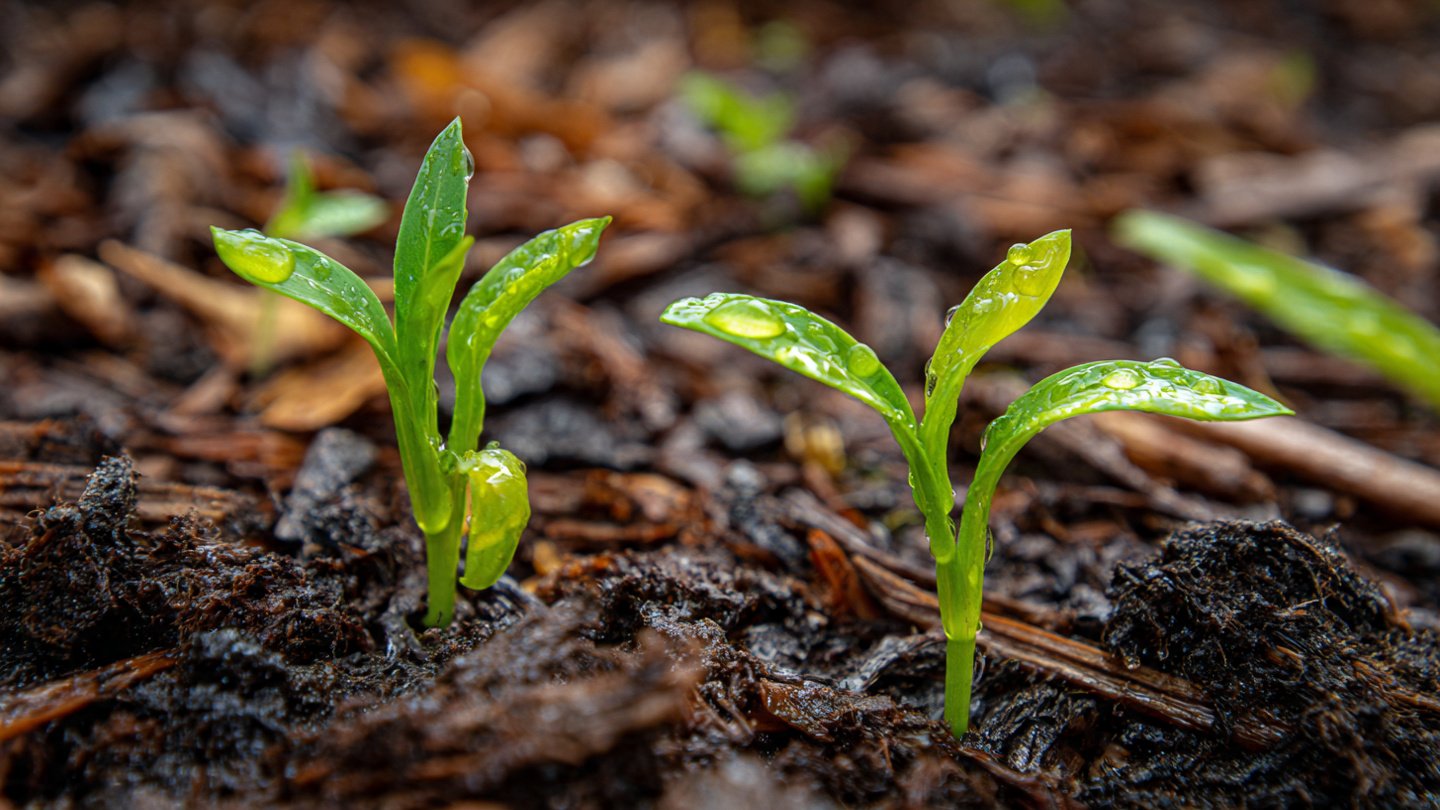
Compost tea, a nutrient-rich liquid fertilizer, has gained momentum in the gardening community as a powerful tool to enhance plant growth. This natural concoction, created by steeping compost in water, is an excellent way to promote the health of new shoots—young, emerging plants that require specific nutrients and conditions to thrive. In this article, we will explore the science behind compost tea, how it can benefit new shoots, and practical ways to use it for optimal growth.
Understanding Compost Tea
Compost tea is essentially a solution brewed from compost, allowing beneficial microbes, nutrients, and organic matter to leach into the water. This liquid can be applied directly to the soil or as a foliar spray. The brew is typically rich in beneficial bacteria, fungi, and nutrients such as nitrogen, phosphorus, and potassium, making it a suitable option for encouraging robust plant growth.
The Brewing Process
To make compost tea, you will need high-quality compost, water, and a container. Here are the steps to prepare it:
- Gather Materials: Choose compost that is well-decomposed and free from chemicals.
- Mix: Fill a breathable bag with compost and submerge it in water. A 1:5 ratio of compost to water is a common practice.
- Steep: Allow the mixture to sit for 24-48 hours. Stirring occasionally will help aerate the solution.
- Strain: Remove the compost bag, retaining the liquid for use.
Benefits of Compost Tea for New Shoots
Compost tea serves multiple purposes, particularly for new shoots. Here are some of the key benefits:
Nutrient Supply
New shoots require a steady supply of nutrients to develop properly. Compost tea provides a broad spectrum of nutrients, including:
- Nitrogen: Essential for vegetative growth, nitrogen promotes leafy growth in new plants.
- Phosphorus: Crucial for root development and flower formation, phosphorus ensures strong early growth.
- Potassium: Enhances overall plant health, improving resistance to diseases and environmental stress.
Microbial Inoculation
One of the unique aspects of compost tea is the variety of beneficial microbes it introduces to the soil. These microbes play a critical role in:
- Soil Health: Beneficial bacteria and fungi help break down organic matter, releasing nutrients more efficiently.
- Root Growth: Mycorrhizal fungi, in particular, form symbiotic relationships with plant roots, enhancing nutrient uptake.
- Disease Suppression: Competitive exclusion prevents pathogenic organisms from establishing in the soil.
Improved Soil Structure
When applied to the soil, compost tea can improve its structure, leading to better water retention and aeration. These qualities are crucial for young plants, allowing their roots to expand easily and access vital nutrients.
How to Use Compost Tea on New Shoots
Now that you understand the benefits of compost tea, let’s explore how to apply it effectively for new shoots:
Application Methods
There are two primary methods for applying compost tea:
- Soil Drench: Pour the tea directly onto the soil around the base of the plant. This method allows for effective nutrient uptake through the roots.
- Foliar Spray: Use a spray bottle or garden sprayer to mist the leaves. This method can encourage quick nutrient absorption and enhance the plant’s immune response.
Frequency of Application
For new shoots, applying compost tea every 2-4 weeks can be beneficial. This frequency helps ensure that the plants receive a consistent supply of nutrients and microbes during their crucial growth period.
Timing
It’s best to apply compost tea in the early morning or late afternoon. Avoid applying it during the hottest part of the day to prevent leaf burn.
Key Considerations
While compost tea is a fantastic addition to any gardening regimen, here are some factors to keep in mind:
Quality of Compost
Ensure that the compost used is of high quality and free from pathogens or contaminants. Poor-quality compost may result in ineffective or harmful effects on young plants.
Water Quality
The water used to create compost tea should be free from chlorine or other chemicals that could diminish the viability of beneficial microorganisms.
Storage
If you’re not using compost tea immediately, store it in a cool, dark place to prevent degradation. However, it is best used fresh for maximum effectiveness.
Conclusion
Compost tea is more than just a simple liquid fertilizer; it’s a transformative elixir that can significantly enhance the growth and vitality of new shoots. By providing essential nutrients, boosting microbial populations, and improving soil structure, compost tea can help young plants flourish and build a strong foundation for future growth. Whether you choose to apply it as a soil drench or foliar spray, the benefits are notable. As you cultivate your garden, consider incorporating this natural solution for a thriving, green environment.
FAQs
1. How often should I apply compost tea to my new shoots?
It’s generally recommended to apply compost tea every 2-4 weeks for the best results.
2. Can I use compost tea on all types of plants?
Yes, compost tea is beneficial for a wide variety of plants, but it’s especially effective for young plants and new shoots.
3. How long does compost tea last?
Freshly brewed compost tea is most effective within a few days of preparation. If stored, use it within a week.
4. Does compost tea smell?
If made correctly, compost tea should have a pleasant earthy smell. A foul odor may indicate poor fermentation and should be avoided.
5. Can I make compost tea from store-bought compost?
Yes, as long as the compost is organic and of high quality, store-bought compost can be used to make compost tea.