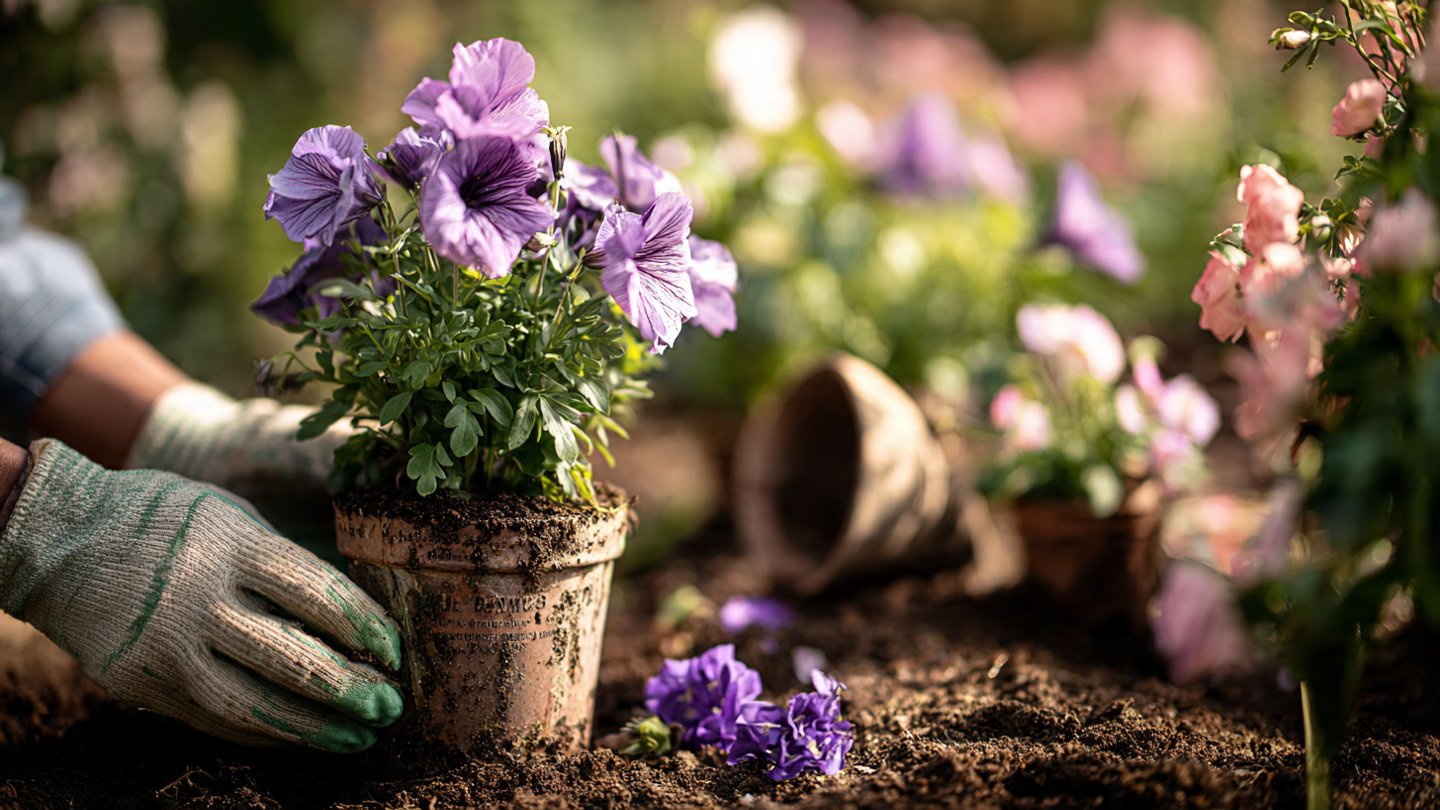
In an increasingly fast-paced and technology-driven world, many individuals find themselves yearning for deeper connections and sources of joy. One often-underestimated solution lies in nature—specifically, in the simple act of planting a row of flowers. This article explores the profound ways in which planting flowers can nourish your soul, offering both psychological benefits and opportunities for spiritual growth.
The Therapeutic Effects of Nature
Connection with the Natural World
Studies have consistently shown that spending time in nature is beneficial for mental health. The mere act of being outdoors—breathing in the fresh air, soaking up the sunlight, and observing the beauty of the landscape—can evoke feelings of peace and contentment. Planting a row of flowers deepens this connection, allowing you to engage with nature more intimately. Gardening provides a tactile experience that connects you to the earth, allowing you to feel grounded and present.
Stress Reduction
Gardening, particularly planting flowers, has been shown to lower stress levels. The physical activity involved in gardening releases endorphins, also known as “feel-good” hormones. Studies have found that spending just a few minutes in a garden setting can significantly reduce cortisol levels, the hormone associated with stress.
A Break from Technology
In our digital age, many of us spend prolonged periods staring at screens. Planting flowers offers a refreshing break from technology. The act of digging in the soil and tending to plants diverts our focus from digital distractions. It allows us to be present, promoting mindfulness and facilitating a peaceful state of mind.
Emotional Benefits of Flower Gardening
Cultivating Joy and Happiness
Flowers have a unique ability to elicit happiness. The colors, shapes, and scents of flowers can create uplifting atmospheres. Planting a row of flowers allows individuals to design their own oasis of joy. Choosing specific flowers based on their colors or scents can accentuate positive emotions. For example, yellow sunflowers symbolize warmth and positivity, while lavender is known for its calming properties. The creative process behind planting flowers—selecting, positioning, and nurturing them—can also serve as an outlet for self-expression and joy.
Increasing Mindfulness
Planting flowers necessitates focus and attention. Each step in the process—from preparing the soil to watering and maintaining the plants—requires mindfulness. This practice of being present can lead to emotional clarity and a greater understanding of one’s thoughts and feelings. As you immerse yourself in the gardening process, you naturally cultivate a deeper awareness of your surroundings and your inner self.
Building Resilience
Gardening often involves trial and error. Not all plants will thrive, and this reality can teach valuable life lessons about resilience. When faced with challenges—be it pests, diseases, or unfavorable weather—gardeners learn to adapt and persevere. This resilience translates into other life areas, encouraging individuals to tackle obstacles with a more positive mindset.
Spiritual Growth Through Gardening
Finding Peace and Serenity
The repetitive and rhythmic nature of planting flowers can be meditative. Whether you are digging, planting, or watering, these actions can become a form of mindfulness meditation. Many people report experiencing a sense of serenity while gardening, which can lead to spiritual insights and epiphanies. The quiet moments spent with flowers can create space for self-reflection and connection to something greater than oneself.
A Connection to Life Cycles
Planting flowers also provides a tangible way to connect with the cycles of life. Watching seedlings grow into vibrant blooms teaches the importance of patience, nurturing, and acceptance. This cyclical nature often parallels life’s ups and downs, reminding us that growth and renewal are possible even after difficult periods. Engaging with these cycles can foster spiritual growth and a deeper appreciation for the experiences that shape us.
Community and Connection
Gardening is not just a solitary activity; it often fosters connections with others. Community gardens, for instance, bring people together who might otherwise not share a space or purpose. Collaborating with others in planting flowers can lead to friendships, shared goals, and a sense of belonging. This community aspect can enhance one’s spiritual journey by reinforcing bonds and creating shared experiences.
The Practical Aspects of Flower Gardening
Accessibility and Affordability
One of the most compelling aspects of flower gardening is its accessibility. Almost anyone can find the space, whether it’s in a backyard, balcony, or community garden. Even small containers can house beautiful flowers, allowing for creativity in limited spaces. Additionally, gardening is often more affordable than other hobbies, making it an approachable venture for many.
Education and Skill Development
Engaging with the world of flowers presents numerous learning opportunities. Each plant has its unique needs and characteristics, offering a chance to expand knowledge. From understanding soil types to learning about different flower species, gardening encourages continuous education. This intellectual stimulation can be gratifying, fostering a sense of achievement and self-worth.
Flowers as Symbols of Hope and Resilience
The Meaning Behind Flowers
Flowers have been symbols of various qualities throughout history—love, hope, beauty, and even resilience. Planting a row of flowers can serve as a personal reminder of these virtues. For instance, planting roses might symbolize love and passion, while daisies can represent innocence and purity. As you design your garden space, you can create a narrative that resonates with your own life experiences, crafting a living testament to your personal journey.
Seasonal Changes
Flowers also represent the changing seasons, each reflecting different phases of life. Spring blossoms symbolize renewal and hope; summer blooms signify joy and fullness. Autumn flowers can serve as reminders of letting go, and winter plants highlight endurance and stillness. This fluidity can help individuals embrace change, teaching them that transition is a natural part of life.
Creating a Flower Garden: Getting Started
Choosing Your Flowers
The first step towards planting a row of flowers is selecting the right varieties. Consider what resonates with you personally—colors, scents, and even feelings they evoke. Research local planting zones to ensure your flowers will thrive in your environment. Native plants often require less maintenance and are better suited to local wildlife.
Preparing the Soil
Healthy soil is the foundation for a flourishing flower garden. Take the time to till the soil, removing rocks and weeds for a fresh start. Mixing organic matter like compost can enrich the soil and provide essential nutrients for your flowers.
Planting and Maintenance
Follow planting guidelines for spacing and depth to give your flowers the best chance at growth. Regular maintenance—including watering, pruning, and weeding—keeps the garden healthy and provides ongoing opportunities for mindfulness and connection.
Conclusion: The Soul-Nourishing Power of Flowers
In a world that often feels chaotic and disconnected, planting a row of flowers offers a pathway to personal nourishment, emotional well-being, and spiritual growth. The act of engaging with nature can elevate mood, reduce stress, and inspire mindfulness. Furthermore, flowers symbolize hope, resilience, and the beauty of life’s cycles.
Whether you have a sprawling garden or a tiny balcony, the lessons learned and joy experienced while planting flowers are universally accessible. The next time you find yourself yearning for a deeper connection or a moment of peace, consider the simple yet profound act of planting a row of flowers. You might just discover a meaningful sanctuary for your soul.