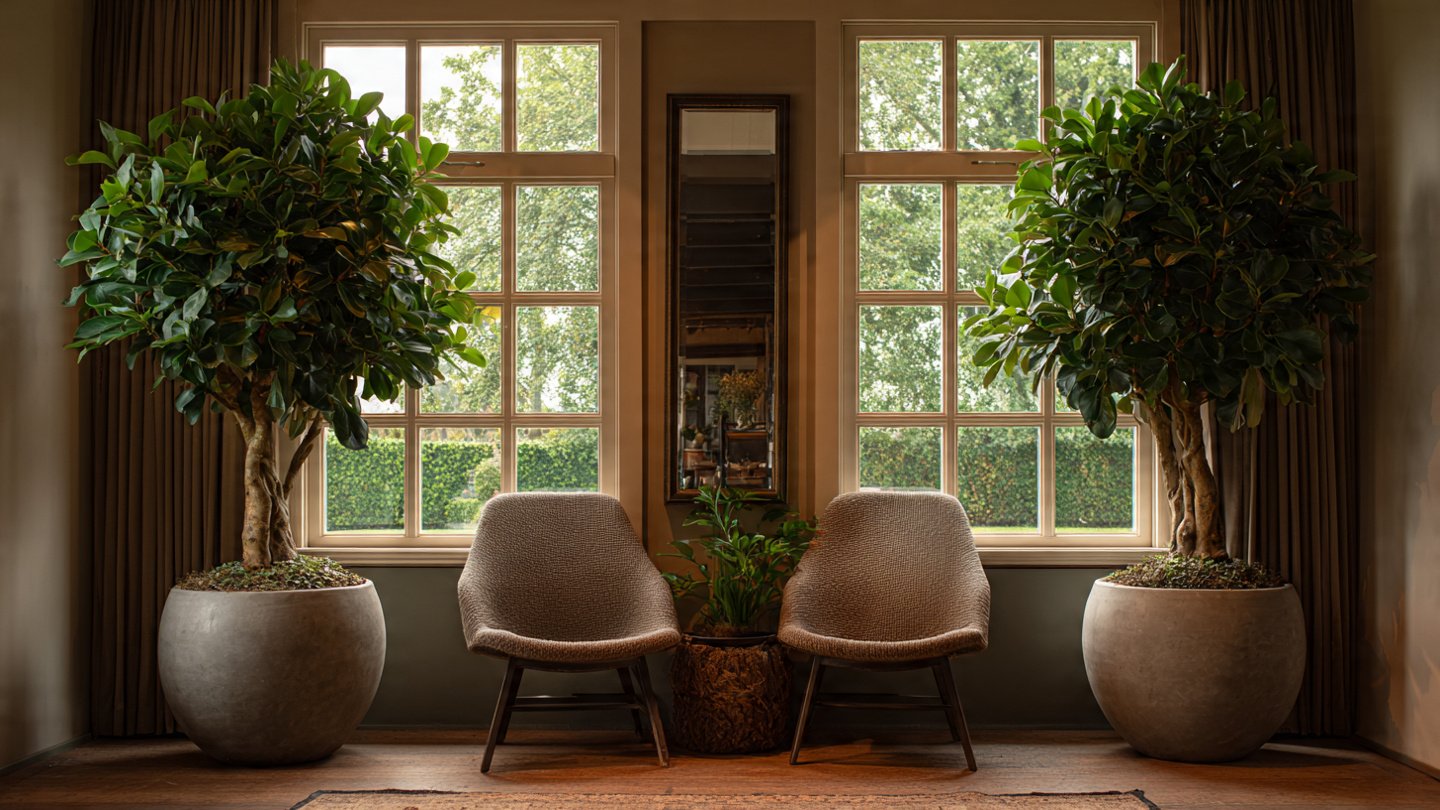
Creating a visually appealing garden is an art that requires careful planning and execution. One of the most effective ways to enhance the aesthetic of your garden is by using twin plants to achieve symmetry. This technique can transform a plain space into a stunning display, drawing the eye and creating harmony in your outdoor area. In this article, we will explore various strategies to create a perfectly symmetrical look using twin plants, their benefits, and practical tips for implementation.
Understanding the Concept of Symmetry in Gardening
Symmetry in gardening refers to the balanced and proportional arrangement of plants and features in a garden layout. It can create a sense of order and tranquility, making spaces feel more cohesive. When utilizing twin plants, symmetry can be achieved through:
- Mirrored Planting: Placing identical plants in corresponding positions on either side of a central axis.
- Repeating Plant Varieties: Using the same plant variety in multiple locations for visual consistency.
Choosing the Right Twin Plants
To achieve a perfectly symmetrical look in your garden using twin plants, the first step is selecting the right varieties. Consider the following factors:
- Height: Choose plants of similar heights to maintain an even visual line.
- Color: Select plants with complementary or identical colors to create cohesiveness.
- Texture: Pay attention to the leaf shapes and textures for added depth and dimension.
- Growth Habit: Make sure the plants have similar growth patterns to prevent one from overtaking the other.
Planning Your Layout
Once you’ve selected your twin plants, it’s essential to plan your layout carefully. Here are some tips to guide you:
1. Create a Focal Point
Start by establishing a focal point in your garden where you want to draw attention. It could be a statue, a water feature, or a colorful flower bed. Position your twin plants around this centerpiece to enhance its visibility.
2. Draw a Symmetrical Design
Using graph paper or digital design tools, sketch your garden layout to visualize plant arrangements. Aim for a mirrored plan, ensuring the distance from the focal point to either side is equal.
3. Establish Pathways
Integrate pathways that divide your garden into symmetrical sections. This can provide balance while also enhancing accessibility. Ensure that the materials used in pathways (like stones or tiles) harmonize with your plants.
Planting Your Twin Plants
The planting process is crucial for achieving the intended symmetrical effect. Here’s how to properly plant:
1. Measure Distances
Measure equal distances from the central focal point to each planting site. Using stakes or markers can help maintain alignment.
2. Depth and Spacing
All twin plants should be planted at the same depth and with consistent spacing to ensure even growth. This is especially important for perennial and flowering plants.
3. Watering and Care
Immediately water each plant after planting to help establish roots. Monitor both plants closely, ensuring they receive the same amount of sunlight and water.
Enhancing Symmetry with Additional Features
To elevate your garden’s symmetry, consider incorporating additional features that complement your twin plants:
- Borders and Edging: Use stones, bricks, or wooden borders to define planting beds and enhance the structured look.
- Lighting: Install garden lights strategically to highlight your plants and create evening visual appeal.
- Decorative Elements: Add garden ornaments or sculptures on either side of the pathway to enhance symmetry.
Maintaining Your Symmetrical Garden
To keep your garden looking symmetrical over time, follow these maintenance tips:
- Regular Pruning: Trim plants regularly to maintain their shape and encourage healthy growth.
- Consistent Watering: Ensure that both plants receive the same amount of water to promote uniform growth.
- Pest Control: Monitor for pests and diseases, addressing any issues promptly to ensure both plants thrive equally.
Conclusion
Achieving a perfectly symmetrical look using twin plants in your garden can be a rewarding endeavor. By selecting compatible plants, planning your layout carefully, and maintaining your design, you can create a beautiful, balanced outdoor space that delights the eye. Remember, the key to successful symmetrical gardening lies in coordination, consistency, and a bit of creativity. With these strategies, your garden can become a stunning work of art.
Frequently Asked Questions (FAQs)
1. What plants are best for creating symmetries in gardens?
Common choices include boxwoods, lavender, hydrangeas, and roses. The key is to select plants that are of similar height and growth habits.
2. How do I ensure both plants grow evenly?
Place both plants in identical conditions regarding sunlight, soil, and water to promote uniform growth. Regular monitoring and care will help maintain their symmetry.
3. Can I use different types of plants for symmetry?
Yes, different types of plants can be used, but they should have complementary colors and textures to maintain balance. Using plants with the same height and structure enhances the effect.
4. How often should I prune my twin plants?
Prune regularly during the growing season, usually in early spring or after blooming, depending on the type of plant. This will maintain their shape and health.
5. What features can I add to enhance a symmetrical garden layout?
Consider adding pathways, borders, garden ornaments, and lighting to enhance symmetry and create visual interest throughout the garden.