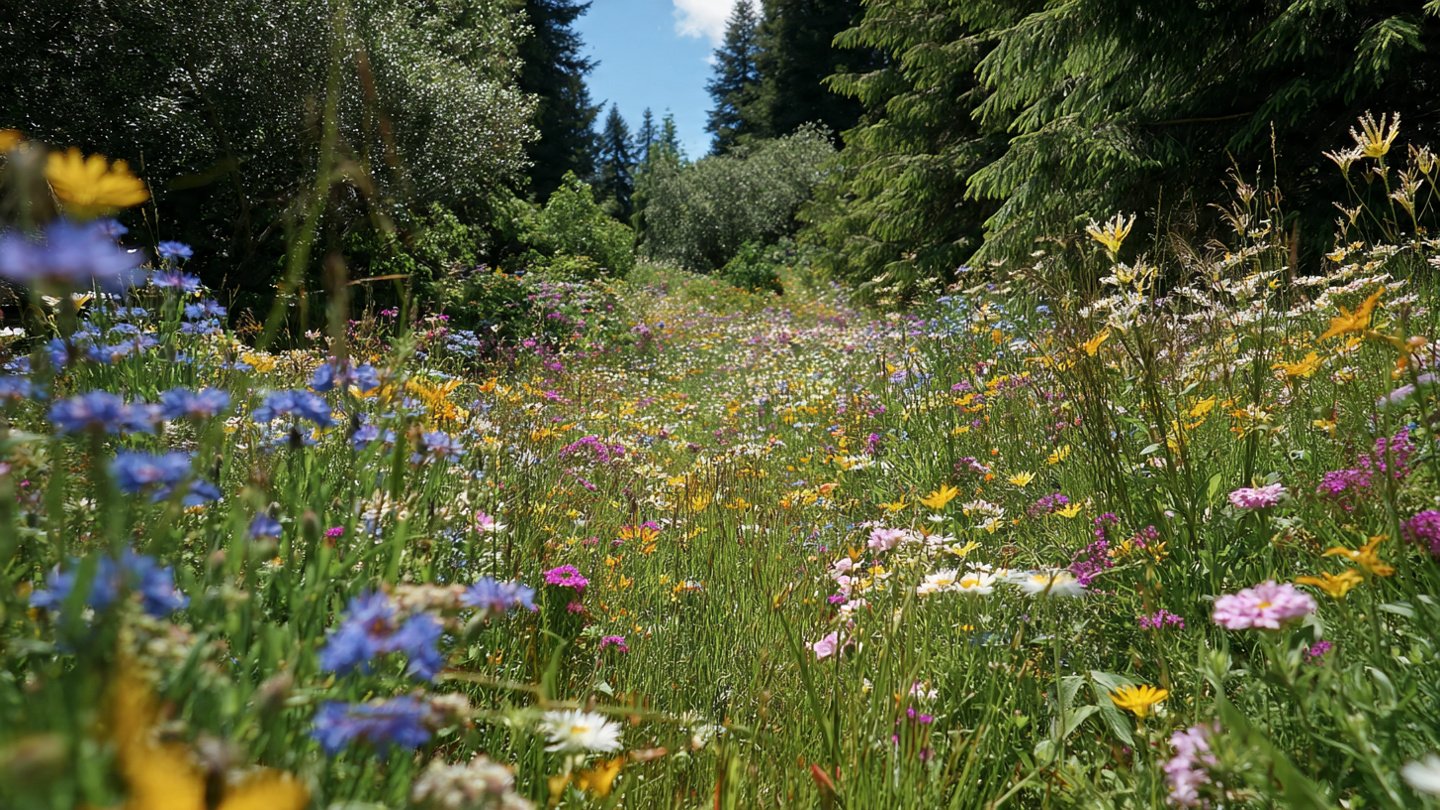
Transforming a barren patch of land into a vibrant, lush meadow is an adventure that can be undertaken with just a handful of seed packets. Meadows are not only beautiful; they are also ecologically beneficial, supporting a diverse range of flora and fauna. Below, we will explore how to create a lush meadow, step-by-step, using minimal resources.
Understanding the Ideal Meadow Environment
Before diving into the specifics of planting seeds, it’s essential to understand the environment that meadows thrive in. A successful meadow should have:
- Good drainage to prevent waterlogging.
- A sunny spot with at least six hours of sunlight daily.
- Soil that is not overly nutrient-rich, as many native meadow plants prefer nutrient-poor conditions.
Choosing the Right Seed Packets
The first step to creating your meadow is selecting the right seeds. You can either purchase pre-mixed meadow seed packets or create your custom mix. When selecting seeds, consider:
- Native species: These are plants that are indigenous to your region and are adapted to local soil and climate conditions. Examples include asters, black-eyed Susans, and clover.
- Flowering plants: Choose a variety of flowers for visual interest and to attract pollinators. Options include wildflowers like poppy and cornflower.
- Grasses: Native grasses like little bluestem and switchgrass can serve as the backbone of your meadow, providing structure and habitat.
Preparing the Soil
Once you have your seed packets ready, the next step is to prepare the soil:
- Clear the area: Remove any existing weeds, rocks, or debris from the planting area. This can be done by hand or with a hoe.
- Till the soil: If the soil is compacted, use a garden fork or tiller to loosen it. You want it to be airy for your seeds to germinate.
- Test soil pH: For many meadow plants, a pH of 6.0 to 7.5 is ideal. You can test the pH with a simple home kit available at garden stores.
- Amend the soil: While meadows typically prefer low-nutrient soil, if your soil is too acidic or alkaline, you might need to amend it slightly to reach optimal conditions.
Sowing the Seeds
After preparing the soil, it’s time to sow your seeds:
- Read the instructions: Different seeds have varying requirements for depth and spacing, so always check the seed packets for specifics.
- Sow the seeds: Scatter the seeds over the prepared area. A good rule of thumb is to spread the seeds evenly to ensure a uniform meadow.
- Press the seeds: Lightly walk over the area or use a roller to ensure the seeds make good contact with the soil.
Watering and Maintenance
Once the seeds are sown, proper watering and maintenance can greatly affect the establishment of your meadow:
- Watering: Keep the area moist but not soaked for the first few weeks until the seeds germinate. After that, you can reduce watering unless there are extremely dry spells.
- Weed control: In the early stages of growth, monitor the area for weeds. Hand-pulling or using mulch can help suppress unwanted growth.
- Light mowing: As the meadow establishes, consider lightly mowing it once or twice a year. This can help maintain flower diversity and prevent certain species from overtaking the space.
Enjoying Your Lush Meadow
As your meadow begins to bloom, it will not only add beauty to your surroundings but also attract a variety of wildlife. Birds, butterflies, and beneficial insects will thank you for creating their habitat. You can also enjoy it by:
- Setting up a small seating area to relax.
- Taking photographs of the changing seasonal colors.
- Hosting educational workshops or nature walks to inspire others.
Conclusion
Creating a lush meadow from just a few seed packets is not only a rewarding endeavor but also contributes positively to the environment. With careful selection of plants, proper soil preparation, and ongoing care, you can transform your space into a vibrant ecosystem that benefits both you and local wildlife. So gather your seeds, roll up your sleeves, and get started on your journey toward a beautiful meadow!
FAQs
What types of seeds are best for a meadow?
The best seeds for a meadow are native wildflowers and grasses that are suited to your local climate and soil conditions. Look for seed mixes labeled for meadows at local nurseries or consider mixing your seeds from suitable species.
When is the best time to sow meadow seeds?
The best time to sow meadow seeds typically depends on your climate but generally, it’s advisable to sow in early spring or late fall. This will give seeds the best chance to establish before extreme weather conditions arrive.
How do I maintain my meadow once it’s established?
Once established, maintenance includes occasional mowing, managing weeds, and ensuring that the plants receive adequate water during dry spells. Letting some areas grow longer can also provide habitat for various creatures.
Can I create a meadow in my backyard?
Absolutely! You can create a meadow in your backyard as long as you have the right conditions—a sunny spot with well-draining soil is ideal. Just follow the steps outlined above for successful establishment.
How long does it take for a meadow to establish?
It typically takes a meadow one to three years to fully establish itself, depending on the type of plants chosen and local growing conditions. Be patient, as each season will bring new flowers and growth.