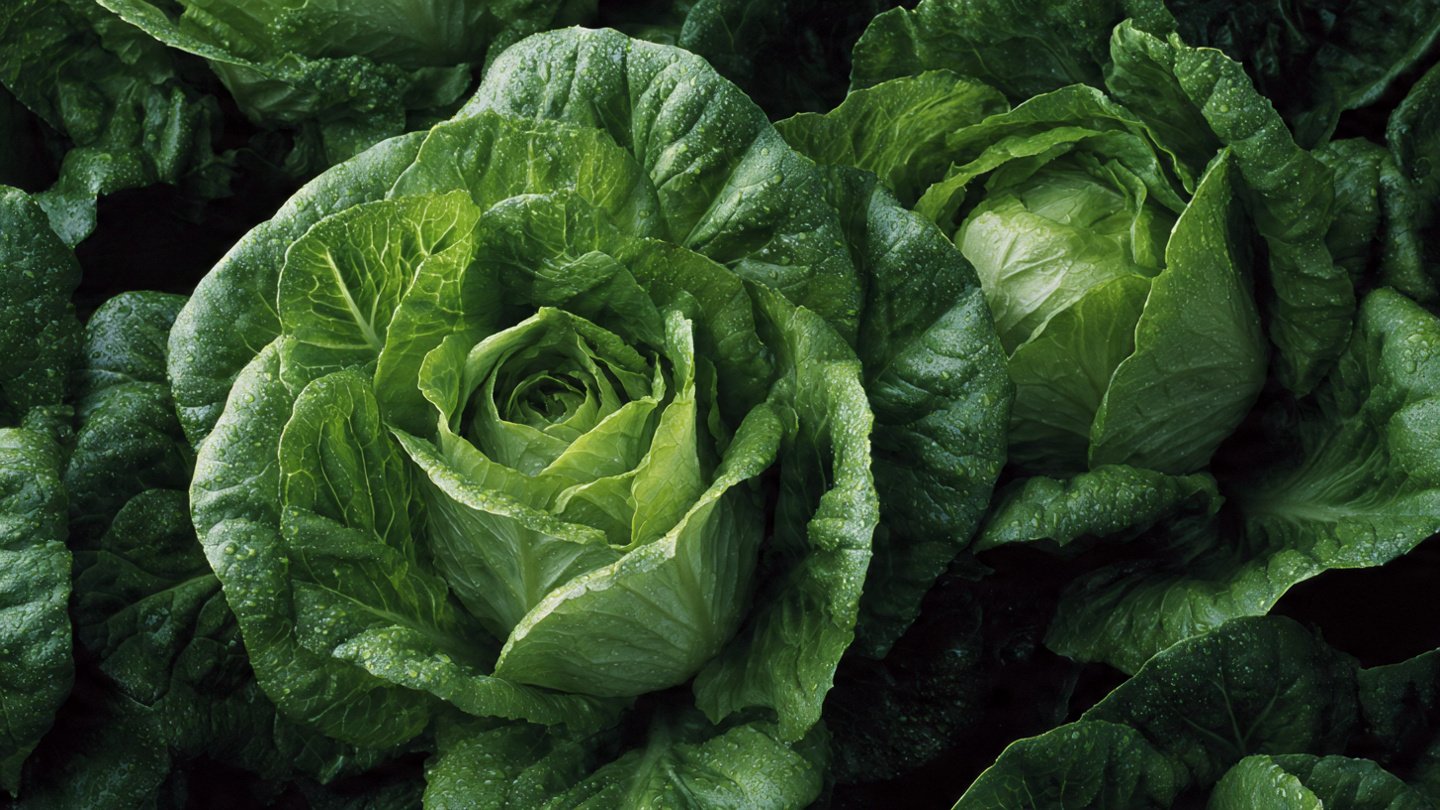
Romaine lettuce, known for its crisp leaves and refreshing taste, is a favorite among gardeners and culinary enthusiasts alike. Whether you’re aiming for a bountiful harvest to enjoy fresh salads or to sell at a local market, understanding how to grow enormous heads of romaine lettuce can make the process easier and more rewarding. In this article, we will delve into the factors influencing the growth of romaine lettuce and provide practical tips to ensure healthy, large yields.
Understanding Romaine Lettuce
Before embarking on your gardening journey, it’s essential to understand the characteristics of romaine lettuce. This leafy green is a type of cos lettuce that is well-adapted to various climates and soil conditions. Unlike its butterhead or leaf lettuce cousins, romaine produces long, sturdy leaves that wrap around a central spine, giving it a unique structure and texture.
Choosing the Right Variety
There are several varieties of romaine lettuce, and selecting the right one can significantly impact your success:
- Classic Romaine: This variety is known for its robust flavor and crunchy texture.
- Green Romaine: An excellent choice for cooler climates, this variety boasts a tender texture.
- Red Romaine: With a hint of sweetness, this variety adds visual appeal to your garden and plate.
Choose a variety that best suits your growing conditions and personal preferences to maximize yield.
Optimal Growing Conditions
Romaine lettuce thrives in specific environmental conditions. Here are some factors to consider:
Climate
Romaine lettuce grows best in cooler weather, ideally between 60°F and 70°F (15°C to 21°C). It can tolerate light frosts but will bolt (flower) and become bitter if exposed to extreme heat. If you live in a warm climate, consider growing it during the cooler months or using shade cloth to protect it from intense sun.
Soil Quality
Well-draining soil rich in organic matter is essential for healthy romaine lettuce. A pH level between 6.0 and 7.0 is optimal. To improve soil quality, consider:
- Adding compost or well-aged manure.
- Incorporating organic fertilizers, like fish emulsion or seaweed extract.
- Ensuring adequate drainage to prevent root rot.
Sunlight
Romaine lettuce requires full sun for optimal growth, meaning at least 6-8 hours of direct sunlight daily. Plant your lettuce in a location that receives ample morning sunlight while providing some shade during the hottest part of the day.
Planting Techniques
Proper planting techniques set the foundation for enormous heads of romaine lettuce. Follow these tips for a successful start:
Sowing Seeds
Seeds can be directly sown into the garden bed or started indoors. If starting indoors, transplant seedlings when they have at least two true leaves. When directly sowing in the garden:
- Sow seeds about 1/4 inch deep, spaced approximately 12 inches apart.
- Water gently to avoid displacing seeds.
- Thin seedlings to ensure they have enough space to grow.
Transplanting Seedlings
If you’ve started your romaine lettuce seeds indoors, transplant them outdoors when they are about 4-6 weeks old. Ensure the soil is adequately prepared and there’s no risk of frost before transplanting.
Watering Practices
Watering is a critical element in growing enormous heads of romaine lettuce. Here’s how to do it effectively:
Frequency and Method
Romaine lettuce requires consistent moisture. Aim to water deeply once or twice a week, depending on rainfall, ensuring the top 1-2 inches of soil remain moist but not soggy. Drip irrigation or soaker hoses can be an efficient way to deliver water directly to the roots.
Avoid Overhead Watering
Overhead watering can encourage the spread of diseases. Water early in the day to allow foliage to dry out, helping to prevent fungal infections.
Pest and Disease Management
Romaine lettuce can fall victim to various pests and diseases. Monitoring carefully and implementing preventive measures is key:
Common Pests
Pests like aphids, slugs, and caterpillars may target your plants. Consider these tactics:
- Introduce beneficial insects like ladybugs to control aphids.
- Create barriers like floating row covers to protect seedlings.
- Handpick larger pests like slugs and caterpillars.
Diseases to Watch For
Common diseases include downy mildew and lettuce drop. To minimize risks:
- Rotate crops each year to avoid soilborne diseases.
- Ensure thorough air circulation between plants.
- Practice good sanitation by cleaning up debris.
Harvesting Your Romaine Lettuce
Knowing when and how to harvest your romaine is essential for enjoying the best flavors:
Timing
Romaine lettuce is usually ready for harvest 70 to 80 days after sowing. Look for heads that are firm and full but not overly large or beginning to bolt.
How to Harvest
To harvest romaine, use a sharp knife to cut the heads at the base. You can also remove outer leaves while leaving the inner leaves to continue growing, which allows for multiple harvests.
Conclusion
Growing enormous heads of romaine lettuce is an achievable goal for any gardener, whether seasoned or a novice. By understanding the specific needs of the plants, from optimal growing conditions and planting techniques to effective pest management, you can cultivate lush and healthy romaine. With patience and care, you’ll be rewarded with ample harvests to enjoy or share with others.
FAQs
1. Can I grow romaine lettuce in containers?
Yes, romaine lettuce can be grown successfully in containers. Choose a container that is at least 6-12 inches deep and ensure it has adequate drainage holes.
2. How often should I fertilize romaine lettuce?
Fertilize every 4-6 weeks with a balanced, organic fertilizer to promote healthy growth.
3. What temperature is too hot for romaine lettuce?
Temperatures above 75°F (24°C) can stress romaine, leading to bolting. If temperatures rise, provide shade to your plants.
4. Can I regrow romaine lettuce from scraps?
Yes, you can regrow romaine lettuce from the base of the plant. Place it in a shallow dish of water and keep it in a sunny spot, changing the water regularly.
5. How can I know if my romaine lettuce is safe to eat?
Inspect the leaves for any signs of pests or disease, and wash them thoroughly before consumption. If leaves appear slimy or discolored, discard them.