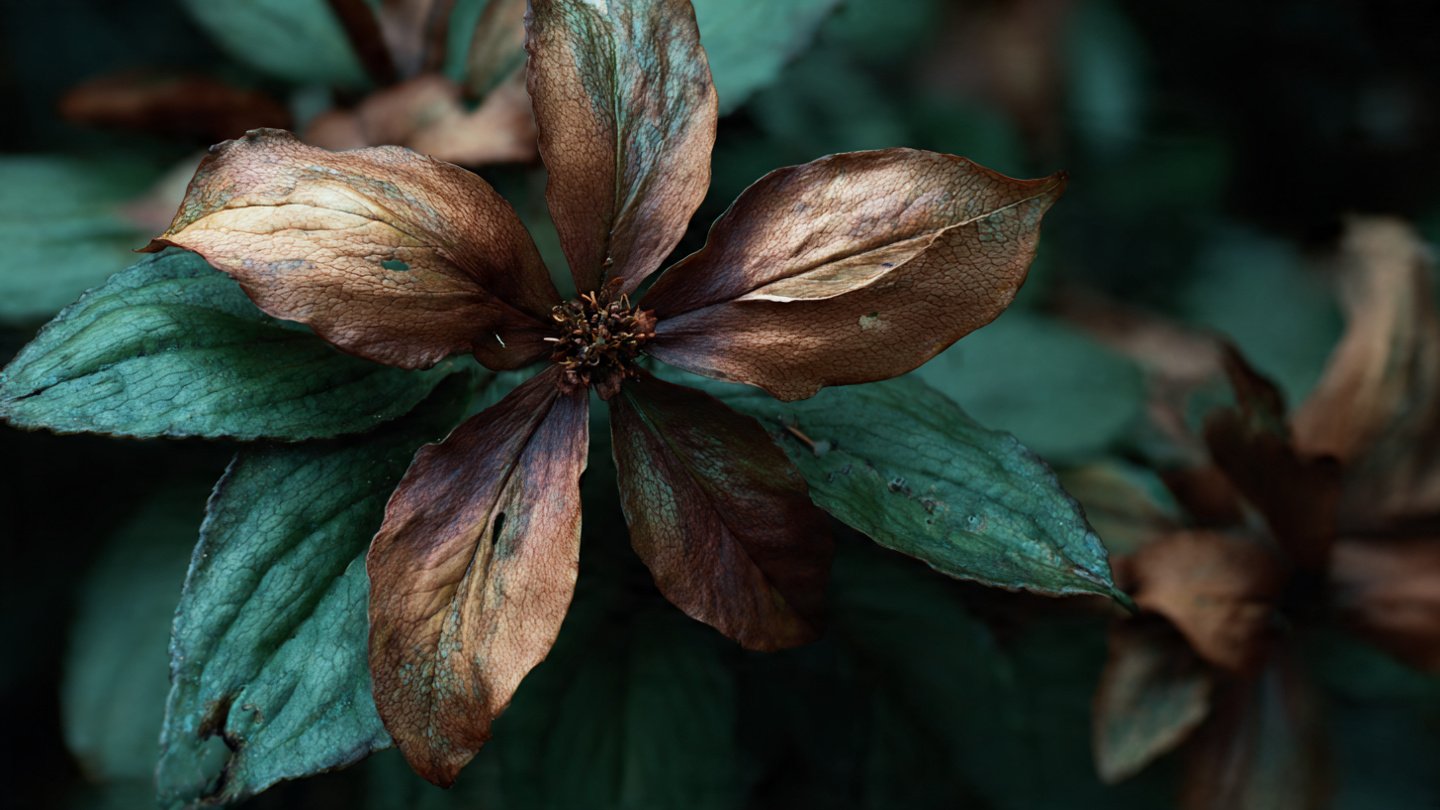
Flower leaves turning brown can be a concerning sight for any gardener or flower enthusiast. This issue, while common, can result from a variety of factors including improper watering, nutrient deficiencies, pest infestations, or environmental stress. However, with the right knowledge and care, you can prevent and manage this problem effectively. In this article, we will discuss the possible causes of brown leaves, preventive measures you can take, and how to treat affected plants.
Understanding the Causes of Brown Leaves
Before we delve into prevention and treatment, it’s crucial to understand the reasons why flower leaves turn brown in the first place:
- Overwatering: One of the most common causes of brown leaves is overwatering, which leads to root rot. When roots are sitting in waterlogged soil, they cannot absorb oxygen properly, which results in leaf discoloration.
- Underwatering: Conversely, not providing enough water can also lead to brown edges. If the plant doesn’t get adequate moisture, it will start to conserve water by limiting the foliage.
- Nutrient Deficiencies: A lack of essential nutrients, particularly nitrogen, or iron can cause yellowing and browning of leaves. Plants need a balanced supply of nutrients for optimal health.
- Pest Infestation: Pests such as aphids, spider mites, and thrips can damage leaves, leading to discoloration and browning as they feed on the plant’s sap.
- Environmental Stress: Changes in temperature, humidity, or light can also stress your plants. For example, leaves may turn brown if exposed to excessive heat or cold.
- Fungal Infections: Certain fungal diseases can cause leaves to brown and wilt. Fungi thrive in warm, damp conditions and can spread quickly if not managed properly.
Preventive Measures to Keep Leaves Healthy
Identifying the potential causes is the first step. Here are some effective preventive measures to keep your flower leaves healthy:
1. Watering Practices
Understanding the watering needs of your plants is paramount. Here are some tips:
- Check Soil Moisture: Use your finger to check the top inch of soil. If it’s dry, it’s time to water. If it’s still moist, wait a few days.
- Water Deeply: When you do water, make sure to water deeply and thoroughly to encourage deep root growth.
- Use Well-Draining Soil: Ensure that your pots have drainage holes and use potting mixes designed to allow water to flow freely.
2. Fertilization
Proper fertilization can help prevent nutrient deficiencies:
- Choose the Right Fertilizer: Use a balanced fertilizer that contains all essential nutrients such as nitrogen, phosphorus, and potassium.
- Follow Recommended Dosages: Over-fertilizing can be just as detrimental as under-fertilizing. Always follow package instructions.
- Consider Soil Testing: If you’re unsure about your soil’s nutrient content, consider getting it tested to determine what amendments are necessary.
3. Pest Control
Regular monitoring for pests can help you catch issues early:
- Inspect Regularly: Check the undersides of leaves and stems for signs of pests.
- Use Organic Insecticides: If you notice pests, employ organic insecticides like neem oil or insecticidal soap.
- Encourage Beneficial Insects: Introduce beneficial insects like ladybugs, which can help keep pest populations in check.
4. Creating the Right Environment
Environmental factors play a significant role in plant health:
- Temperature Control: Keep your plants in environments where temperatures are steady and appropriate for their specific needs.
- Humidity Levels: Some plants thrive in high humidity. Consider using a humidifier if your indoor environment is too dry.
- Light Conditions: Make sure your plants receive the right amount of light. Too much direct sunlight can scorch leaves, while too little can hinder growth.
5. Disease Prevention
Fungal infections can be minimized with these strategies:
- Avoid Overcrowding: Ensure there is adequate space between plants to promote air circulation.
- Use Clean Tools: Always disinfect your gardening tools to prevent the spread of diseases.
- Observe Symptoms: Be vigilant about any signs of disease and take immediate action if you suspect an infection.
Treating Affected Plants
If your plants are already experiencing leaf browning, it’s essential to act quickly:
- Assess Watering Practices: Re-evaluate your watering routine, ensuring you’re neither over nor under-watering.
- Prune Damaged Leaves: Trim away any severely affected leaves to redirect the plant’s energy toward healthy growth.
- Apply Fertilizer: If you suspect a nutrient deficiency, apply a balanced fertilizer and follow recommended guidelines.
- Use Pesticides Wisely: If pests are detected, treat the plant with appropriate insecticides or natural remedies.
- Consider Repotting: If your plant is root-bound or if the soil is compacted, repotting can help rejuvenate it.
Conclusion
Preventing flower leaves from turning brown involves a multifaceted approach that includes proper watering, fertilization, pest control, and attention to environmental factors. By being proactive and responsive to the needs of your plants, you can maintain vibrant and healthy foliage. Regular monitoring and timely intervention can significantly reduce the risk of developing this common issue. Remember that a little preventive care goes a long way in keeping your flowering plants thriving.
FAQs
1. Why are the tips of my flower leaves turning brown?
The tips of flower leaves usually turn brown due to underwatering or nutrient deficiency. It’s essential to assess your watering habits and check the soil’s nutrient content.
2. Can brown leaves recover?
Brown leaves often do not recover, but by addressing the underlying cause and caring for the plant, you can prevent more leaves from turning brown and encourage new growth.
3. What is the best way to increase humidity for indoor plants?
To increase humidity, you can mist your plants, place a tray of water with pebbles near them, or use a humidifier in the room.
4. How often should I water my flowering plants?
The watering frequency varies based on the type of plant, environment, and season. Generally, check the top inch of soil, and water when it feels dry.
5. Are there any natural remedies for pest control?
Yes, natural remedies include neem oil, insecticidal soap, and diatomaceous earth, which can effectively control pest populations without harmful chemicals.