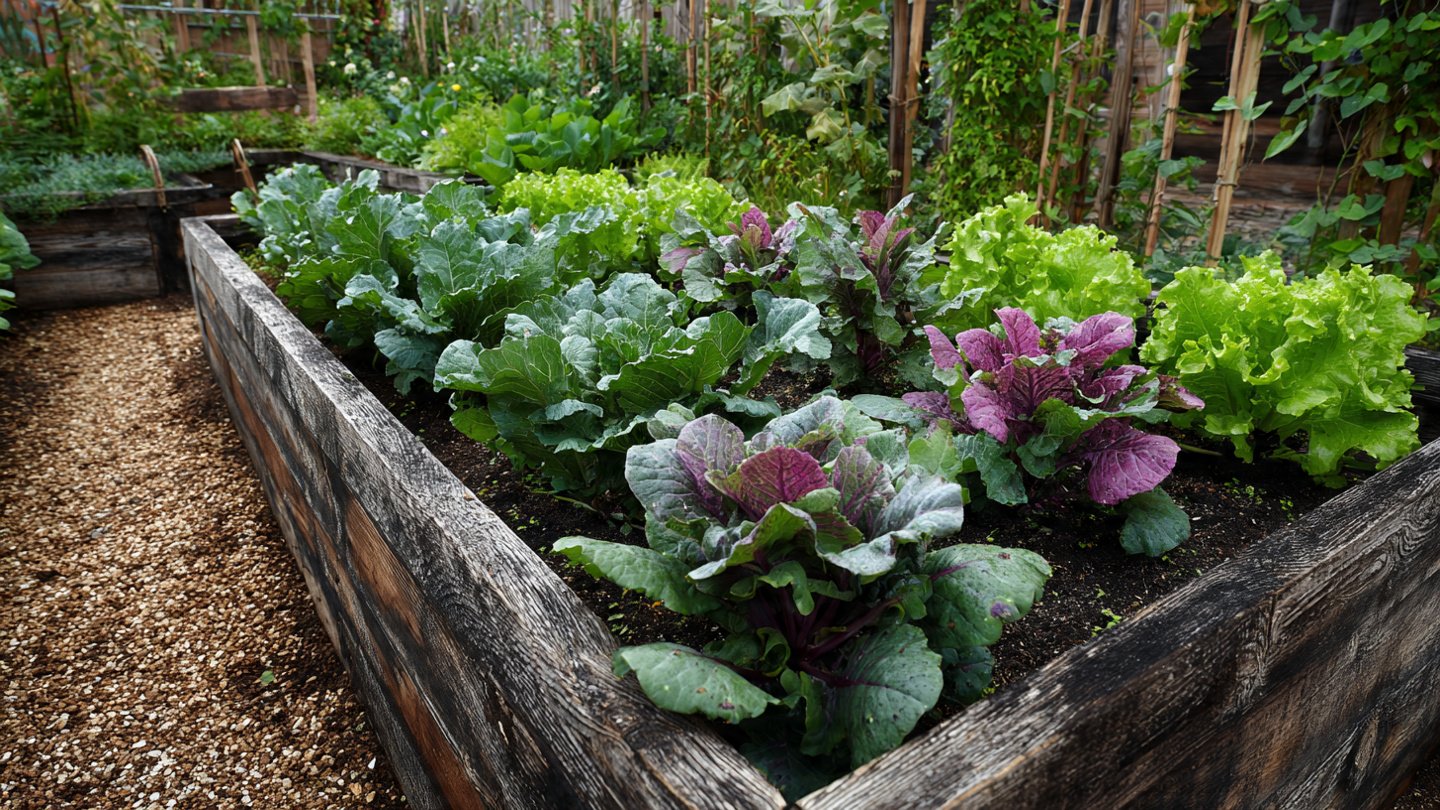
Growing vegetables in a raised bed is a rewarding way to garden, offering numerous benefits such as improved soil drainage, better pest control, and enhanced aesthetic appeal. If you’re contemplating starting a raised bed garden, this guide will help you understand the entire process, from planning and construction to sowing, maintaining, and harvesting your crops.
1. Understanding Raised Beds
What is a Raised Bed?
A raised bed is essentially a garden bed that is elevated above the surrounding soil. This elevation can involve wooden frames, bricks, or stone structures, filled with soil and compost to create an optimal growing environment. Raised beds can be of varying heights, typically ranging from 6 to 24 inches, and can be tailored to suit different vegetable plants and gardening needs.
Benefits of Raised Beds
- Improved Soil Quality: Raised beds allow gardeners to control the soil quality more easily. You can fill them with a custom blend of soil that suits the needs of your plants.
- Better Drainage: The elevated design provides excellent drainage, helping to prevent waterlogging, which can damage roots and promote disease.
- Stronger Pest Control: Raised beds can deter certain pests, as their height makes it more challenging for some bugs to reach the plants. Additionally, you can cover them with netting or row covers more easily.
- Longer Growing Season: Raised beds tend to warm up faster in the spring, which can lead to an earlier planting season and a longer harvest window.
- Less Strain on Your Back: The height of a raised bed can reduce the need to bend down, making gardening easier on your back and more accessible, especially for those with mobility issues.
2. Planning Your Raised Bed
Choosing the Location
Finding the right location for your raised beds is essential. Consider the following criteria when planning:
- Sunlight: Most vegetables require at least 6-8 hours of direct sunlight each day. Observe your yard throughout the day to identify the sunniest spots.
- Accessibility: Place your raised beds in a location that is easily accessible for planting, watering, and harvesting.
- Water Supply: Ensure that your raised beds are near a water source for easy watering.
- Protection from Wind: If possible, position your raised beds in a sheltered area to protect them from strong winds that can damage plants.
Designing Your Beds
When designing your raised beds, consider the following dimensions:
- Size: Typical dimensions for raised beds are 4 feet wide by 6 to 8 feet long. This width allows easy reach to harvest and maintain plants from either side.
- Height: Beds can be anywhere from 6 to 24 inches tall, depending on your needs and preferences. Taller beds may be more accessible for those with physical limitations.
- Pathways: Plan for pathways between your beds to provide easy access. Ensure that paths are wide enough to allow for walking or wheelbarrow access.
3. Building Your Raised Bed
Materials Needed
- Wood: Untreated cedar or redwood is ideal, as these materials are naturally resistant to rot.
- Hardware: Galvanized screws or bolts to assemble the bed.
- Soil: A combination of topsoil, compost, and other organic amendments.
- Landscaping Fabric (optional): To line the bottom and prevent weeds from growing.
Construction Steps
- Measure and Cut: Cut your wood to the desired dimensions.
- Assemble the Frame: Use screws or bolts to fasten the corners of the frame together.
- Level the Area: Make sure the area where the raised bed will sit is level.
- Place the Bed: Position the wooden frame in its designated spot.
- Line the Bottom: Optionally, you can line the bottom with landscaping fabric to prevent weeds, though this isn’t necessary for all gardeners.
- Fill the Bed: Add your soil mixture, filling the raised bed to about an inch below the top.
4. Selecting Vegetables
Choosing the right vegetables to grow will depend on several factors, including your growing zone, personal preferences, and the season. Here are some popular vegetables suited for raised bed gardens:
- Leafy Greens: Spinach, lettuce, and kale grow quickly and can be harvested continuously.
- Root Vegetables: Carrots, radishes, and beets thrive in loose soil and don’t require much space.
- Tomatoes: A popular choice for raised beds, tomatoes need a lot of sunlight and can be staked for vertical growth.
- Peppers: Both sweet and hot varieties do well in raised beds.
- Cucumbers: These can be grown vertically, saving space within your raised bed.
- Beans: A great option for vertical gardening, beans can be planted alongside trellises or poles.
5. Planting Your Vegetables
Timing Your Planting
Understanding the timing for planting is crucial. Generally, follow these guidelines:
- Cool-Season Crops: Plant these in early spring or late summer. Examples include lettuce, peas, and brassicas.
- Warm-Season Crops: These should be planted after the last frost in spring. Examples are tomatoes, peppers, and cucumbers.
- Succession Planting: Plan to sow new seeds every few weeks for continuous harvests.
Planting Techniques
- Direct Sowing: Many vegetables can be directly sown into the soil (e.g., carrots, beans).
- Transplanting: For plants like tomatoes, start them indoors and transplant them into the raised bed.
- Spacing: Leave enough space between plants to ensure air circulation; this helps prevent diseases.
- Mulching: After planting, add a layer of mulch to retain moisture, control weeds, and regulate soil temperature.
6. Maintenance
Watering
Vegetables need consistent moisture to thrive. Implement these practices:
- Deep Watering: Water deeply to encourage root growth, aiming for at least an inch of water per week.
- Check Soil Moisture: Stick your finger into the soil—if it feels dry an inch down, it’s time to water.
- Drip Irrigation: Consider installing a drip irrigation system for efficient watering.
Weeding
Weeds can compete with your crops for nutrients and water. Regularly check your beds, pulling weeds by hand or using landscape fabric to suppress their growth.
Fertilizing
- Soil Testing: Periodically test your soil to determine its nutrient levels.
- Compost: Regularly add compost to nourish your plants and improve soil structure.
- Organic Fertilizers: Consider using fertilizers specifically designed for vegetable gardens, following the recommended guidelines.
Pest and Disease Management
Keep an eye on your plants for any signs of pests or diseases:
- Natural Deterrents: Introduce beneficial insects like ladybugs or use companion planting techniques.
- Row Covers: Use lightweight fabric to protect young plants from pests while allowing sunlight and rain to penetrate.
- Remove Affected Plants: If you notice diseased plants, remove them promptly to prevent the spread.
7. Harvesting
Understanding when to harvest is essential for maximizing flavor and yield. Here are some general guidelines:
- Pick Regularly: For crops like beans and cucumbers, regular harvesting encourages further production.
- Check Color and Size: For fruits like tomatoes and peppers, wait until they are larger and fully colored before picking.
- Root Vegetables: Harvest these when they reach the desired size, usually 1-2 inches in diameter.
8. Conclusion
Growing vegetables in a raised bed can be a gratifying and productive endeavor. With careful planning, regular maintenance, and timely harvesting, your raised bed garden can provide a plentiful array of fresh, flavorful vegetables. Whether you’re a novice gardener or an experienced green thumb, the raised bed gardening method offers opportunities for success and satisfaction. So roll up your sleeves, get your hands in the soil, and enjoy the bounty of your labor!