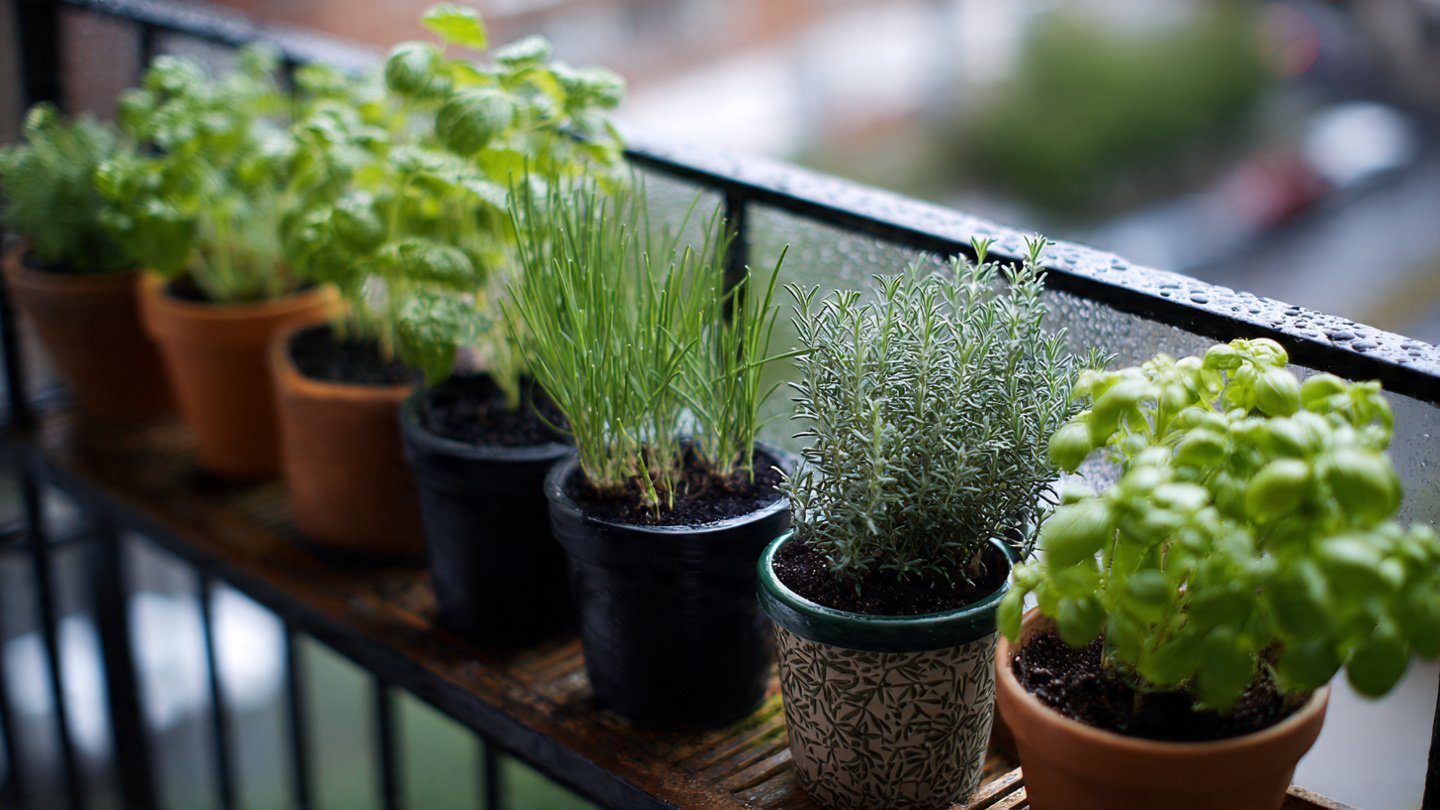
Growing herbs in small balcony pots is a rewarding experience that brings fresh flavors to your kitchen and promotes a connection to nature in urban environments. With some planning and care, anyone can grow vibrant herbs in limited spaces. This article outlines the essential steps and considerations to successfully cultivate your own herb garden, even in a small space.
The Benefits of Growing Herbs at Home
Before diving into the practicalities, let’s explore the benefits of growing your own herbs:
- Freshness and Flavor: Home-grown herbs offer vibrant flavors that surpass dried versions available in stores. Fresh herbs can elevate your meals, adding a punch of flavor without extra calories or preservatives.
- Cost-Effectiveness: Purchasing fresh herbs can be expensive, especially if you enjoy using them regularly. Growing your own can save you money and provide abundant yields.
- Health Benefits: Herbs are packed with antioxidants and essential nutrients. Growing them at home ensures you have access to fresh, chemical-free produce.
- Environmentally Friendly: Cultivating herbs contributes to less plastic waste and reduces the carbon footprint associated with transporting store-bought herbs.
- Stress Relief and Relaxation: Gardening has therapeutic benefits. Tending to plants can reduce stress, improve mood, and provide a sense of accomplishment.
Choosing the Right Herbs for Your Balcony
When selecting herbs, consider your cooking preferences and the climate of your region. Here are some popular choices that thrive in pots:
- Basil: A versatile herb that loves warmth and sunlight.
- Parsley: Hardy and can tolerate some shade, making it great for a balcony.
- Chives: Easy to grow and can endure cooler temperatures.
- Mint: Can be aggressive when planted in the ground, but manageable in pots.
- Thyme: Prefers well-drained soil and can tolerate dry conditions.
- Rosemary: Likes well-drained soil and lots of sun, making it perfect for balconies.
Selecting the Right Pots and Soil
Choosing Pots
The size and type of pot can significantly influence the health of your herbs. Here’s what to keep in mind:
- Size: Choose pots that are at least 6-12 inches deep. This size allows room for roots to grow and ensures adequate drainage.
- Material: Terracotta, ceramic, or plastic pots are all suitable. Terracotta pots offer breathability, while plastic pots retain moisture better. Avoid metal pots, as they can heat up too much in the sun.
Soil Selection
Use high-quality potting mix designed for herbs or vegetables. Regular garden soil can compact in pots, limiting drainage and preventing root growth. Here’s how to create a good potting mix:
- Good Drainage: Ensure that the pot has drainage holes to prevent waterlogging. Consider adding small stones or gravel to the base for extra drainage.
- Organic Matter: Incorporate compost to enrich the soil, providing necessary nutrients and promoting healthy growth.
Sunlight Requirements
Herbs generally thrive in sunny spots. Here are some guidelines to help you position your pots effectively:
- Identify Sunlight Patterns: Observe your balcony throughout the day to understand how sunlight falls. Most herbs require at least 6 hours of direct sunlight, but some can tolerate partial shade.
- Rotate Pots: If some herbs lean toward the sunlight, rotate the pots regularly to ensure even growth.
Watering Your Herbs
Proper watering is crucial for herb health. Here are tips to effectively water your plants:
- Frequency: Water your herbs when the top inch of soil feels dry. Overwatering can lead to root rot, so it’s essential to let the soil dry out between waterings.
- Method: Water at the base of the plant to avoid wetting the leaves, which can promote fungal diseases.
- Time of Day: Water in the early morning or late afternoon to minimize evaporation and allow plants to absorb moisture.
Fertilizing Your Herbs
While many herbs do well in regular potting mix, they may benefit from occasional fertilization:
- Organic Fertilizers: Use organic options such as compost, liquid seaweed, or fish emulsion every 4-6 weeks during the growing season.
- Slow-Release Fertilizers: These can be mixed into the soil at planting time to provide a steady supply of nutrients.
Pruning and Harvesting
Proper pruning promotes bushier growth and enhances the herb’s flavor. Here’s how to do it effectively:
- Regular Harvesting: Pick leaves regularly to encourage new growth. For most herbs, it’s best to harvest from the top, as this encourages branching.
- Pruning: Trim away any dead or yellowing leaves to keep the plant healthy. This prevents diseases and allows sunlight to reach new growth.
Pest Control
Even in small spaces, pests can be a concern. Here’s how to manage them organically:
- Companion Planting: Plant certain herbs together to deter pests. For instance, basil repels flies and mosquitoes, making it a good companion for other herbs.
- Natural Remedies: Use insecticidal soap or neem oil as a natural pest deterrent. Spraying a mixture of water and a few drops of dish soap can also help remove pests.
Seasonal Considerations
Growing herbs on your balcony is feasible year-round with some adjustments:
- Spring and Summer: Most herbs thrive during these seasons. Increase watering and be vigilant against pests.
- Fall: As temperatures drop, consider bringing pots indoors or using protective coverings. Herbs like parsley and chives can survive light frost.
- Winter: If you’re in a region with harsh winters, consider growing herbs indoors. Place them near a sunny window and ensure they’re adequately watered.
Troubleshooting Common Issues
Even seasoned gardeners encounter challenges. Here’s how to manage them:
- Yellow Leaves: This can indicate overwatering or nutrient deficiency. Check the moisture levels and consider fertilizing.
- Leggy Growth: If your herbs are tall and spindly, they may not be getting enough sunlight. Move them to a sunnier spot.
- Wilting: This can happen from both dehydration and overwatering. Check soil moisture levels to determine the cause.
Harvesting Techniques
When it comes time to harvest, here are some techniques to ensure you get the best flavors:
- Timing: Harvest in the morning after the dew has dried. This is when essential oils are most concentrated.
- Tools: Use sharp scissors or herb snips to make clean cuts, promoting healthy regrowth.
- Storing: Use herbs immediately for the best flavor, but if you need to store them, place cut herbs in a glass of water like a bouquet or wrap them in a damp paper towel and store in the refrigerator.
Conclusion
Growing your own herbs on a small balcony is not just about enhancing your culinary repertoire but also about creating a little oasis of greenery in your life. With careful planning, attention to detail, and a little patience, you can develop a thriving balcony herb garden. Whether you use your herbs for cooking, making herbal teas, or crafting homemade beauty products, the joy of nurturing your plants is unparalleled. Enjoy the process, savor your harvest, and relish in the fresh flavors of your very own culinary creations!
Start your journey today, and transform your small balcony into a green haven of herbs. Happy gardening!