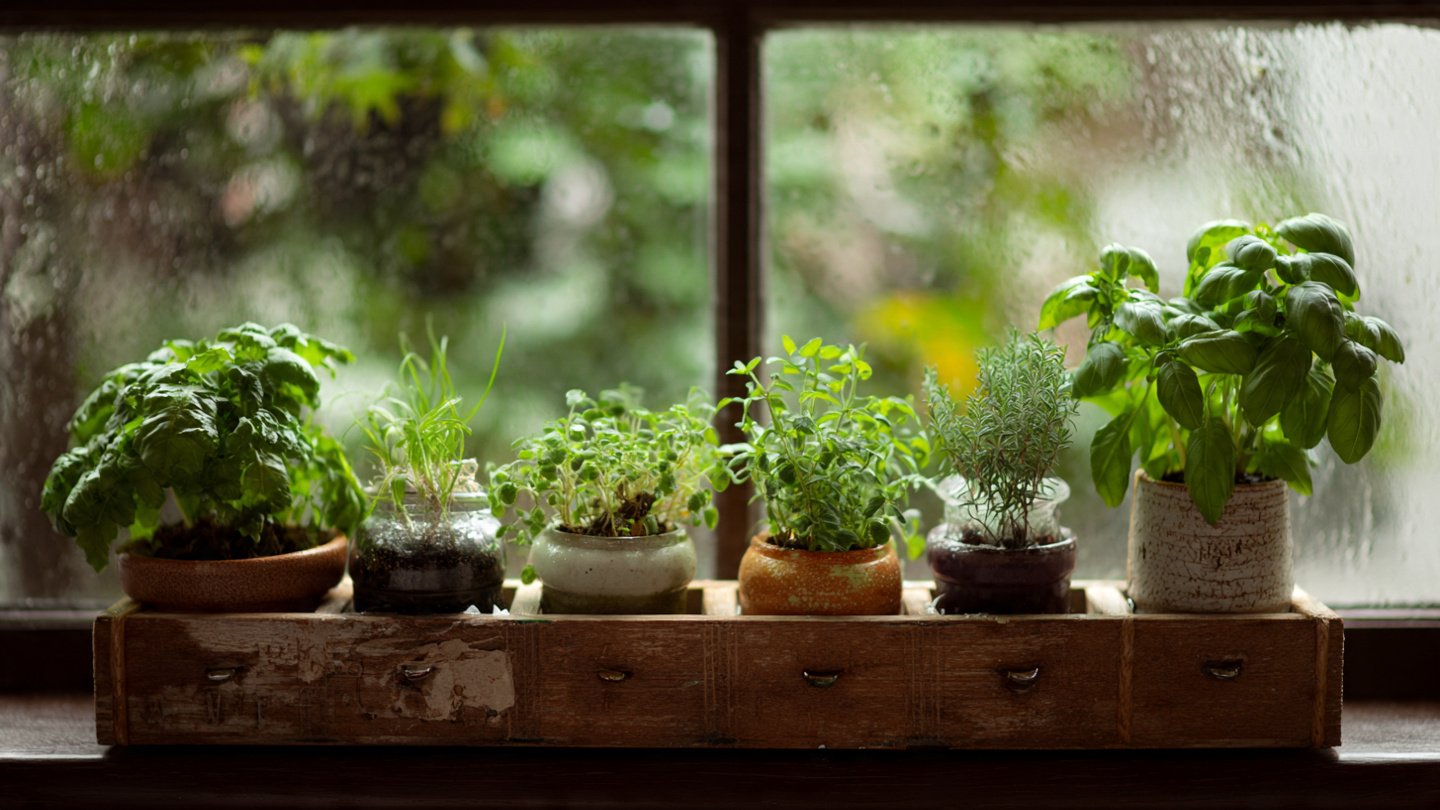
Creating a miniature herb garden on your window sill is not only a rewarding project but also a practical way to add fresh flavors to your meals. Herbs are relatively easy to grow, require minimal space, and can thrive indoors with proper care. This article will guide you through the steps to transform your window sill into a fragrant, green oasis of culinary delights.
Benefits of Growing Herbs at Home
Before diving into the how-to, let’s explore some of the benefits of having a miniature herb garden at home:
- Fresh Ingredients: Having a ready supply of fresh herbs can enhance your cooking and make meals more flavorful.
- Space-Efficient: A window sill herb garden requires minimal space and fits well in small apartments.
- Improved Air Quality: Plants help purify the air, making your living space healthier.
- Stress Relief: Gardening can be therapeutic, providing mental relaxation and satisfaction.
- Cost-Effective: Growing your own herbs can save you money over buying fresh herbs from the store.
Choosing the Right Location
The first step in creating your miniature herb garden is selecting the right location. A south-facing window sill is ideal, as it receives the most sunlight throughout the day. Consider the following when choosing your location:
- Sunlight: Most herbs require 6-8 hours of sunlight daily. Ensure your window receives ample light.
- Temperature: Keep the herbs away from drafts or heaters. A stable temperature between 65-75°F (18-24°C) is beneficial.
- Accessibility: Place your garden close to your kitchen for easy access while cooking.
Selecting Your Herbs
Choose herbs that you frequently use in your cooking. Some popular options for a window sill herb garden include:
- Basil: Perfect for Italian dishes and pesto.
- Parsley: A versatile herb for garnishing and flavoring.
- Cilantro: Essential for Mexican and Asian cuisines.
- Chives: Great for seasoning and salads.
- Mint: Ideal for teas, desserts, and garnishes.
Gathering Necessary Materials
Once you’ve chosen your herbs, gather the following materials:
- Pots: Choose pots with drainage holes to prevent waterlogging.
- Potting Soil: A high-quality potting mix designed for herbs is ideal.
- Labels: Use labels to keep track of your herbs.
- Watering Can or Spray Bottle: For easy watering.
- Fertilizer: A dilute liquid fertilizer can support growth.
Potting Your Herbs
Follow these steps to pot your herbs effectively:
- Fill each pot with potting soil, leaving about an inch from the top.
- Make a small hole in the center of the soil.
- Remove the herb seedlings from their containers and gently place them in the hole.
- Fill in around the roots with more potting soil and gently pat it down.
- Water the newly potted herbs until the soil is moist but not soggy.
Caring for Your Herb Garden
Proper care is crucial for keeping your miniature herb garden thriving. Here are key aspects to focus on:
Watering
Herbs don’t like to be overwatered. Allow the top inch of soil to dry out before watering again. Water in the morning or early afternoon to prevent mold growth.
Fertilizing
Use a balanced, water-soluble fertilizer every four to six weeks to promote healthy growth. Be sure to dilute it according to package instructions.
Pruning
Regularly snip off any dead or yellowing leaves. Harvest the herbs regularly to encourage new growth and prevent them from becoming leggy.
Dealing with Pests
Keep an eye out for common pests like aphids and spider mites. If you spot any, treat your plants with insecticidal soap or a mixture of water and dish soap.
Harvesting Your Herbs
Once your herbs are established (usually after 3-4 weeks), you can start harvesting:
- Cut leaves from the top to encourage bushier growth.
- Only harvest a third of the plant at a time to ensure continued growth.
- Use freshly cut herbs right away for the best flavor, or store them in a glass of water in the refrigerator.
Conclusion
Transforming your window sill into a miniature herb garden is a fulfilling endeavor that adds practicality and aesthetics to your home. With proper care and attention, your herbs will thrive, providing you with fresh ingredients, improved air quality, and a delightful greenery that can elevate both your cooking and your mood.
FAQs
1. How often should I water my herb garden?
Water your herbs when the top inch of soil feels dry. This usually means watering every few days, but it can vary depending on the environment.
2. Can I grow herbs indoors year-round?
Yes, many herbs can be successfully grown indoors all year, provided they receive enough light and proper care.
3. What should I do if my herbs are not growing well?
Check for adequate sunlight, water, and soil conditions. Pests could also be an issue. Consider moving them to a brighter location or adjusting your watering schedule.
4. Can I use regular garden soil for indoor herbs?
It’s best to use potting soil specifically designed for indoor plants, as it offers better drainage and aeration than regular garden soil.
5. How can I prevent my herbs from getting too leggy?
Ensure they receive enough light and regularly prune the plants to encourage bushier growth.