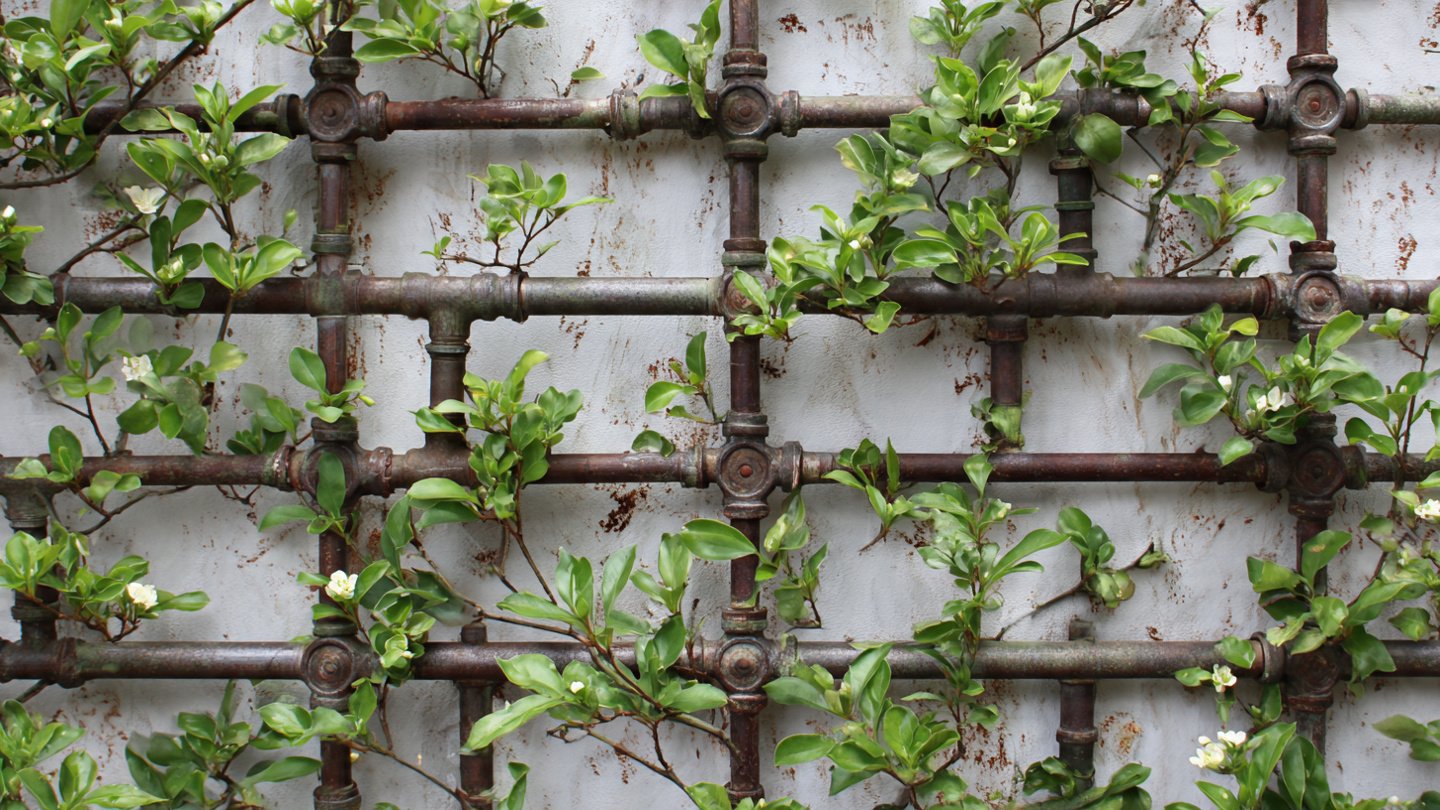
As DIY enthusiasts and interior decorators look for unique ways to enhance their homes, incorporating industrial elements has become increasingly popular. One of the most intriguing projects involves repurposing old metal pipes into a chic industrial trellis. Not only does this project breathe new life into materials that might otherwise be discarded, but it also creates a stunning focal point in any garden or indoor space. Here’s how to transform those metal pipes into a stylish trellis.
Understanding the Basics of a Trellis
A trellis is a structure that supports climbing plants and can serve as a decorative element in your garden or home. The trellis allows plants, such as vines or flowering plants, to grow vertically, enhancing space and adding visual interest. Using old metal pipes for this purpose creates an industrial and edgy feel that can fit perfectly into modern and vintage aesthetics alike.
Materials and Tools You’ll Need
Before diving into the project, gather the necessary materials and tools:
- Old metal pipes (various sizes)
- Pipe fittings (elbows, tees, and connectors)
- Pipe cutter or hacksaw
- Metal file
- Rust-resistant paint or metal sealant
- Measuring tape
- Drill with metal bits
- Garden gloves
- Safety goggles
Step-by-Step Guide to Building Your Trellis
1. Planning Your Design
Before cutting or assembling anything, sketch a design for your trellis. Consider factors such as the size, shape, and the plants you intend to use. You can opt for a classic rectangular shape or get creative with geometric patterns, depending on your style and the space you have available. Make sure to measure your area to ensure that the trellis fits perfectly.
2. Preparing the Metal Pipes
Once you have a design, gather your metal pipes. Use the pipe cutter or hacksaw to cut them into the necessary lengths based on your design. Ensure that all cuts are clean, and use a metal file to smooth the edges to prevent injuries.
3. Assembling the Trellis
Begin by laying out the pieces on the ground according to your design. This is the time to adjust placements if needed. Once satisfied, start connecting the pipes using the fittings. For a more secure assembly, use screws and a drill to attach the pipes at the joints.
4. Securing the Trellis
After assembling the trellis, it’s essential to secure it in place. You can do this by either anchoring it into the ground directly or attaching it to a wall, fence, or other sturdy structures. Ensure that the structure is firm enough to withstand the weight of climbing plants.
5. Finishing Touches
Now it’s time to apply a coat of rust-resistant paint or metal sealant to protect the metal from corrosion, especially if the trellis will be outdoors. Choose a color that complements your garden or home decor. Let it dry completely before moving on to the next step.
6. Planting and Maintenance
Once your trellis is complete and dry, it’s time to introduce climbing plants. In your garden, consider using vines like clematis, wisteria, or climbing roses. For an indoor trellis, potted options like philodendron or pothos can work beautifully. Ensure you provide adequate water and nutrients to your plants, and train them to grow along the trellis as they develop.
Styling Ideas for Your Industrial Trellis
After building your trellis, you can further enhance its aesthetic appeal:
- Lighting: Add fairy lights or lanterns wound around the trellis to create a magical atmosphere at night.
- Hanging Planters: Attach small hanging planters or shelves along the pipes to introduce more greenery or decorative items.
- Paint Accents: Use contrasting colors to paint specific sections of the trellis, adding visual interest and character.
- Seasonal Decor: Incorporate seasonal decorations, like autumn leaves or twinkling lights during the holidays, to keep your space dynamic.
Benefits of Using Metal Pipes
Using metal pipes for a trellis not only brings an industrial charm but also has several practical benefits:
- Durability: Metal pipes are sturdy and weather-resistant, making them ideal for outdoor use.
- Low Maintenance: They require minimal upkeep compared to wooden trellises, which can rot or warp over time.
- Versatility: Metal trellises can easily adapt to various styles, from modern to rustic.
Conclusion
Transforming old metal pipes into a chic industrial trellis is a rewarding project that infuses character and functionality into your space. By carefully planning and assembling your trellis, you create a unique structure that supports your favorite climbing plants while embodying a stylish industrial aesthetic. Whether you choose to place it in your garden or inside your home, a metal pipe trellis is sure to elevate your decor with a touch of creativity and sustainability.
FAQs
A: Yes, galvanized pipes are a great option as they are rust-resistant and will last a long time outdoors.
A: Make sure to anchor the trellis in the ground firmly, or attach it securely to a wall. Adding additional cross-bracing can also help increase stability.
A: Popular choices include clematis, honeysuckle, climbing roses, and various types of beans and peas for vegetable gardens.
A: Absolutely! Indoor plants like philodendron and pothos can thrive on a metal trellis, creating an attractive green feature in your home.
A: Regularly check for rust and apply a fresh coat of sealant or paint as needed. Also, monitor your plants’ growth and ensure they are properly trained along the trellis.