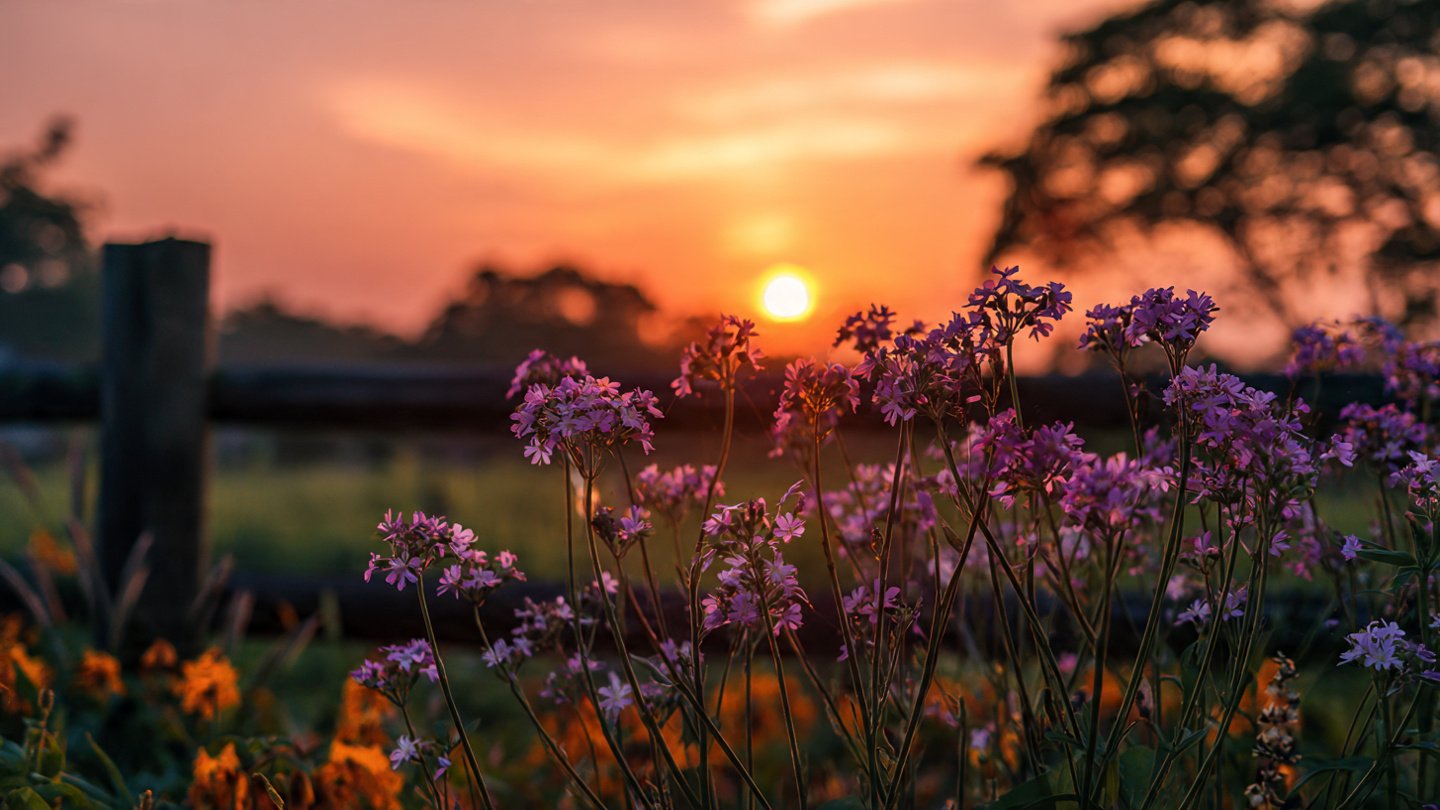
As the day transitions into evening, the sky transforms into a canvas of vibrant colors, promising a spectacle that nature offers daily. Watching a sunset can evoke feelings of peace, introspection, and gratitude. However, the experience of a sunset is amplified when viewed from a well-thought-out garden, created specifically to enhance this serene moment. With careful planning, the right plants, and a few thoughtful additions, your garden can become the ultimate sanctuary for enjoying stunning sunsets. Here is how you can create that ideal space.
Understanding Your Garden’s Potential
1. Location, Orientation, and View
Before delving into design elements, understanding the layout of your garden is paramount. Begin by observing the sunset trajectory in your location. In many regions, the sun sets in the west; hence, your garden should ideally allow for an unobstructed view of the horizon. If your space permits, elevate your seating area or create a vantage point on a hill.
Consider the following:
- Clear Sightlines: Remove any trees or structures that may block your view.
- Nestled Spots: If your home is positioned in a way that obscures the view, consider creating nooks at different heights.
2. Designing with Serenity in Mind
Creating your ultimate sunset spot is about cultivating an atmosphere of tranquility. A garden should inspire relaxation, with thoughtful layout and design elements that enrich the experience.
a. Zoning Your Garden
Segment your garden into different zones can enhance your enjoyment. A cozy lounge area for comfortable seating should be paired with pathways that lead to varying views of the sunset.
b. Creating Pathways
Decorative paths using pebbles, bricks, or flowering edges guide your journey while adding visual appeal. Curved paths can enable an organic flow through the garden, leading to tranquil seating areas where you can unwind.
Selecting the Right Plants
3. Color and Texture
The plants you choose can amplify the beauty of sunsets. Here are factors to consider:
a. Use of Color
Select plants with blooms that harmonize with sunset hues. Warm colors like oranges, yellows, and reds can reflect the sunset’s glow.
- Sunset-Sided Plants: Consider planting sunflowers, marigolds, or even succulents like Echeveria that can catch the evening light beautifully.
b. Textural Contrast
Incorporate a variety of textures in your plant selection. Ferns, grasses, and shrubs can create depth, enhancing the backdrop for sunset viewing.
4. Focal Points and Layering
Focal points guide the eye and draw attention while layering can add dimensions. You can achieve this by:
- Incorporating Garden Statues or Water Features: A pond or small fountain can be both a visual and auditory feature, providing a calming backdrop to the vibrant sky.
- Layering Heights: Use taller elements like ornamental grasses at the back and shorter flowering plants towards the front for visual interest.
Creating Comfortable Seating
5. Choice of Seating
What’s a serene sunset without a comfortable place to sit? The seating area must complement the relaxation experience.
a. Incorporate Natural Materials
Opt for wooden benches, wicker chairs, or even hammocks. These materials blend seamlessly with nature and can withstand the outdoor elements.
b. Arrangement Matters
Position your seating area to face the sunset. Using circular or semi-circular arrangements helps create an inviting space that encourages connection, whether it’s for solo reflections or intimate gatherings.
6. Adding Textiles and Accessories
Enhance comfort with cushions, blankets, and outdoor rugs that inspire warmth and relaxation.
Utilizing Lighting
7. Soft Garden Lighting
As the sun dips below the horizon, controlled lighting can keep the ambiance serene without overwhelming brightness.
a. Solar LED Lights
Install solar lights along pathways or amidst plants to gently illuminate the area without detracting from the sunset views.
b. String Lights
Incorporating string lights above seating areas adds a magical, ethereal glow and nurtures a cozy atmosphere.
8. Candles and Fire Features
Adding candles or small lanterns can create a romantic environment. Fire pits or outdoor fireplaces extend the enjoyment even after sunset, providing warmth and a gathering spot.
Scent and Sensory Experience
9. Fragrant Plants
Engaging all senses can deepen relaxation. Include fragrant flowers like jasmine, lavender, and night-blooming cereus to fill the air with calming scents as you enjoy the sunset.
10. Sound Elements
Consider adding elements that enhance the auditory experience. Wind chimes or a small water feature can produce soothing sounds that blend beautifully with the visual experience of the sunset.
Seasonal Changes
11. Adapting to Seasons
Your garden should provide beauty through all seasons. Incorporate plants that bloom at different times of the year, ensuring your space remains vibrant regardless of when the sunset occurs.
- Perennials: Choose hardy plants that will return year after year, providing a consistent backdrop.
12. Fall and Winter Interest
In colder months, evergreen shrubs can maintain a sense of greenery. Incorporating structures like arbor or trellis can provide winter interest when adorned with seasonal decorations.
Personal Touches
13. Adding Unique Elements
Personalizing your garden further enhances its appeal and makes it a reflection of your individual taste.
a. Artistic Flourishes
Consider sculptures, garden art, or crafted birdhouses. These elements not only beautify your space but can also be conversation starters.
b. Reflective Surfaces
Mirrored objects or glass can capture light and offer unique visual perspectives of both the sunset and your garden.
14. Creating Your Theme
Invest time in creating a theme that resonates with your personality—be it tropical, minimalist, or whimsical—allowing you to foster an authentic connection to your sunset experience.
Maintenance for Longevity
15. Regular Upkeep
To enjoy a serene sunset garden throughout the year, regular maintenance is vital. This includes:
- Watering: Ensure the health of your plants.
- Trimming and Weeding: Prevent overgrowth and maintain aesthetics.
Conclusion
Creating the ultimate garden for witnessing serene sunsets is a rewarding endeavor that demands thoughtful planning, careful selection of plants, and a keen understanding of your space. The potential for relaxation and mindfulness can transform your daily routine and restore your spirit. As you design your oasis, remember to allow nature to guide you, continuously adjusting to seasonal changes and your evolving preferences. With these tips, not only will your garden become a picturesque spot, but it will also cultivate moments of quiet reflection, beauty, and connection with the natural world. As the sun sinks below the horizon, let your garden become your sanctuary—a place where the day’s worries dissipate into the twilight.