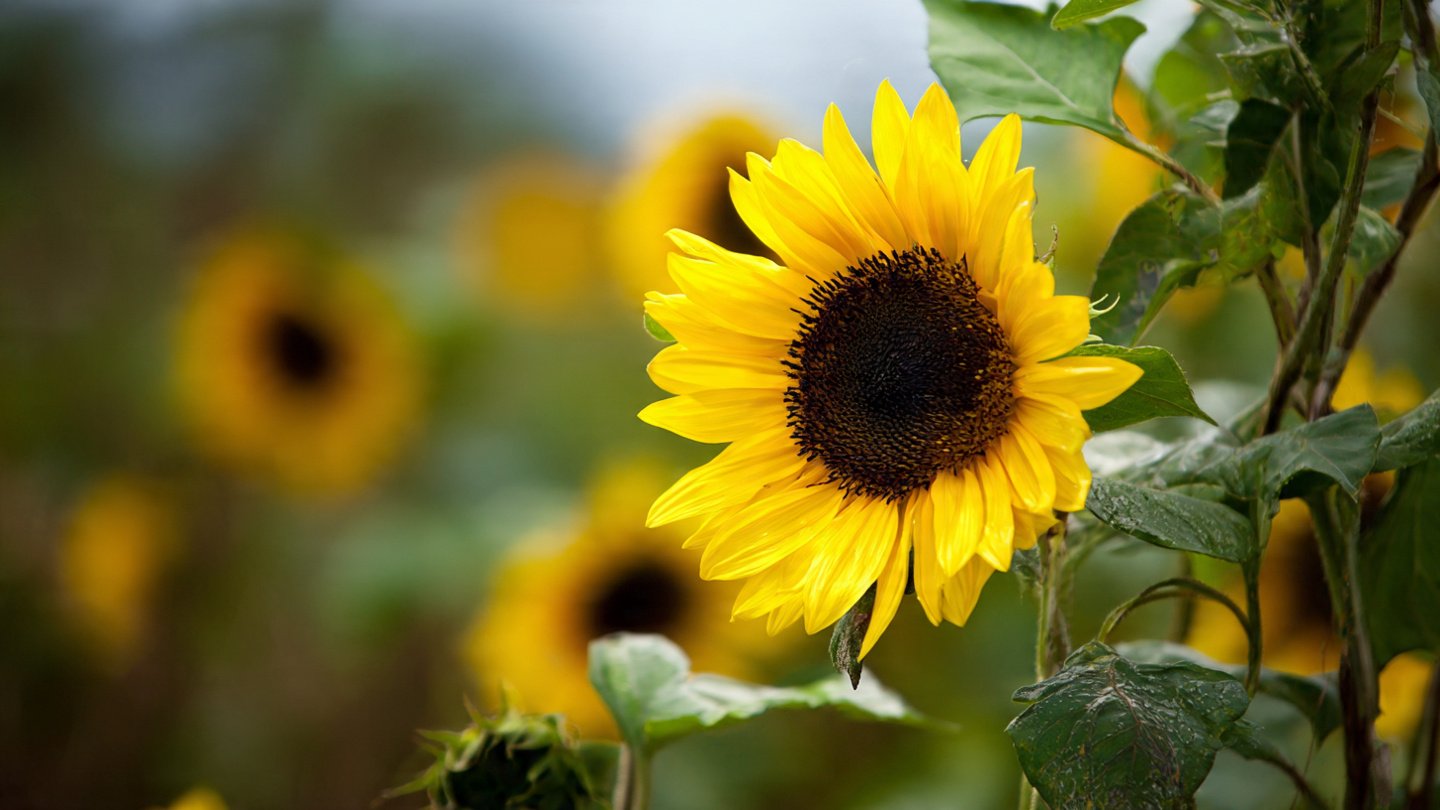
Sunflowers (Helianthus annuus) are not only visually stunning elements in any garden, but they also serve as vital ecological connectors for wildlife, particularly wild birds. With their towering stalks and large, vibrant flower heads, sunflowers can provide food, shelter, and a vital habitat for various bird species. This article explores how planting sunflowers can significantly enhance your garden’s biodiversity and create a safe haven for our feathered friends.
The Role of Sunflowers in Bird Conservation
Bird populations are experiencing alarming declines globally due to habitat loss, climate change, and urban development. Creating avian-friendly spaces in our gardens can play a crucial part in supporting these species. Sunflowers contribute enormously to this cause due to their unique characteristics:
- Seeds for Food: Sunflowers produce an abundance of seeds that attract various bird species, including finches, chickadees, and sparrows.
- Natural Shelter: The tall stalks and broad leaves provide cover and nesting sites for smaller birds, offering protection from predators.
- Biodiversity Boost: Sunflowers can enrich the soil and attract beneficial insects, which can support a robust ecosystem that birds rely on.
Attracting Different Bird Species with Sunflowers
Different bird species are attracted to different types of seeds and plants. Sunflowers, particularly their seeds, are highly favored by many birds. Here are some of the most common species that you may attract when you incorporate sunflowers into your garden:
- American Goldfinch: Known for their vibrant yellow feathers, these small birds are particularly fond of sunflower seeds and can often be seen feeding on them.
- House Sparrow: These adaptable birds will make your garden their home, often nesting in and around sunflower plants.
- Chickadee: These curious little birds enjoy foraging for sunflower seeds and can be quite entertaining to watch as they flit back and forth.
- Cardinal: The bright red male cardinal is attracted to sunflower seeds, making them a vibrant addition to your garden landscape.
Creating a Bird-Friendly Environment
To create a haven for wild birds using sunflowers, consider the following steps:
1. Choose the Right Varieties
There are numerous sunflower varieties, and selecting the right ones can enhance your garden’s appeal to birds. Some popular choices include:
- Giant Sunflowers: These towering giants can reach heights of up to 12 feet and produce large heads filled with seeds.
- Multi-Headed Varieties: These plants produce several smaller heads, providing more foraging opportunities for birds.
- Ornamental Sunflowers: Varieties with different colors like red or purple can be visually striking while still providing seeds for birds.
2. Plant in Clusters
Birds are more likely to frequent areas where food sources are abundant. Planting sunflowers in clusters rather than single plants can enhance their attractiveness to wild birds.
3. Provide Additional Feeding Sources
In addition to sunflowers, consider placing bird feeders filled with a variety of seeds to attract a broader range of species. Black oil sunflower seeds are particularly popular with many birds.
4. Ensure Safety
Predators can pose a significant threat to small birds. To create a safer environment, avoid placing feeders or sunflower plants too close to structures or dense bushes where cats or other predators may hide.
Maintenance and Care Tips for Sunflowers
Planting sunflowers is relatively straightforward, but maintaining them is key to attracting birds. Here are some effective care tips:
- Watering: Sunflowers enjoy well-drained soil; ensure you water them regularly, particularly during dry spells.
- Fertilization: Regularly fertilizing the soil can encourage thick, lush growth, leading to more substantial sunflower heads filled with seeds.
- Pest Control: Watch for pests like aphids and use organic methods like neem oil to protect your plants without harming birds.
The Seasonal Benefits of Sunflowers for Birds
Sunflowers provide year-round benefits for birds and can be incorporated into your garden across different seasons:
Spring
As the weather warms up, sunflowers attract pollinators, helping to secure a diverse garden environment. Birds also begin to establish territories and nests during this season.
Summer
During summer, flowering sunflowers provide seeds and shelter while hosting a variety of insects that serve as food for nesting birds.
Fall
As sunflower heads mature, they become a buffet for birds seeking energy-rich seeds before winter arrives.
Winter
Dried sunflower heads offer food for birds that remain during winter, such as woodpeckers and nuthatches, providing sustenance when other resources may be scarce.
Environmental Impact of Sunflowers
Besides attracting birds, planting sunflowers can have a positive impact on the environment. They:
- Support Pollinators: Sunflowers attract bees and butterflies, essential for pollination.
- Improve Soil Quality: The deep roots of sunflowers can help break up compacted soil and improve its nutrient content.
- Carbon Sequestration: Like all plants, sunflowers absorb carbon dioxide, contributing to a healthier atmosphere.
Conclusion
Transforming your garden into a sanctuary for wild birds is achievable through simple yet effective planting choices. Sunflowers bring unparalleled beauty, food sources, and shelter to our feathered friends, enhancing biodiversity while creating a thriving ecosystem. By incorporating sunflowers into your landscape, not only will you beautify your garden, but you will also play a vital role in supporting wildlife conservation. Whether you enjoy birdwatching or simply love the vibrant colors of sunflowers, this effort contributes positively to your garden and the environment.
FAQs
1. How long do sunflowers take to grow?
Sunflowers typically take between 70 to 100 days to grow from seed to bloom, depending on the variety.
2. Can I grow sunflowers in pots?
Yes, dwarf sunflower varieties can be successfully grown in pots, making them ideal for small spaces or patios.
3. Do sunflowers attract pests?
While sunflowers may attract some pests, they also draw beneficial insects that help control these populations. Regular monitoring can help manage any infestations.
4. Can I harvest sunflower seeds?
Absolutely! After the heads have dried, you can harvest the seeds, either for eating or for replanting the following season.
5. What should I do with sunflower plants after they bloom?
After blooming, you can leave the heads on the plants for birds to feed on or remove them for seed collection.