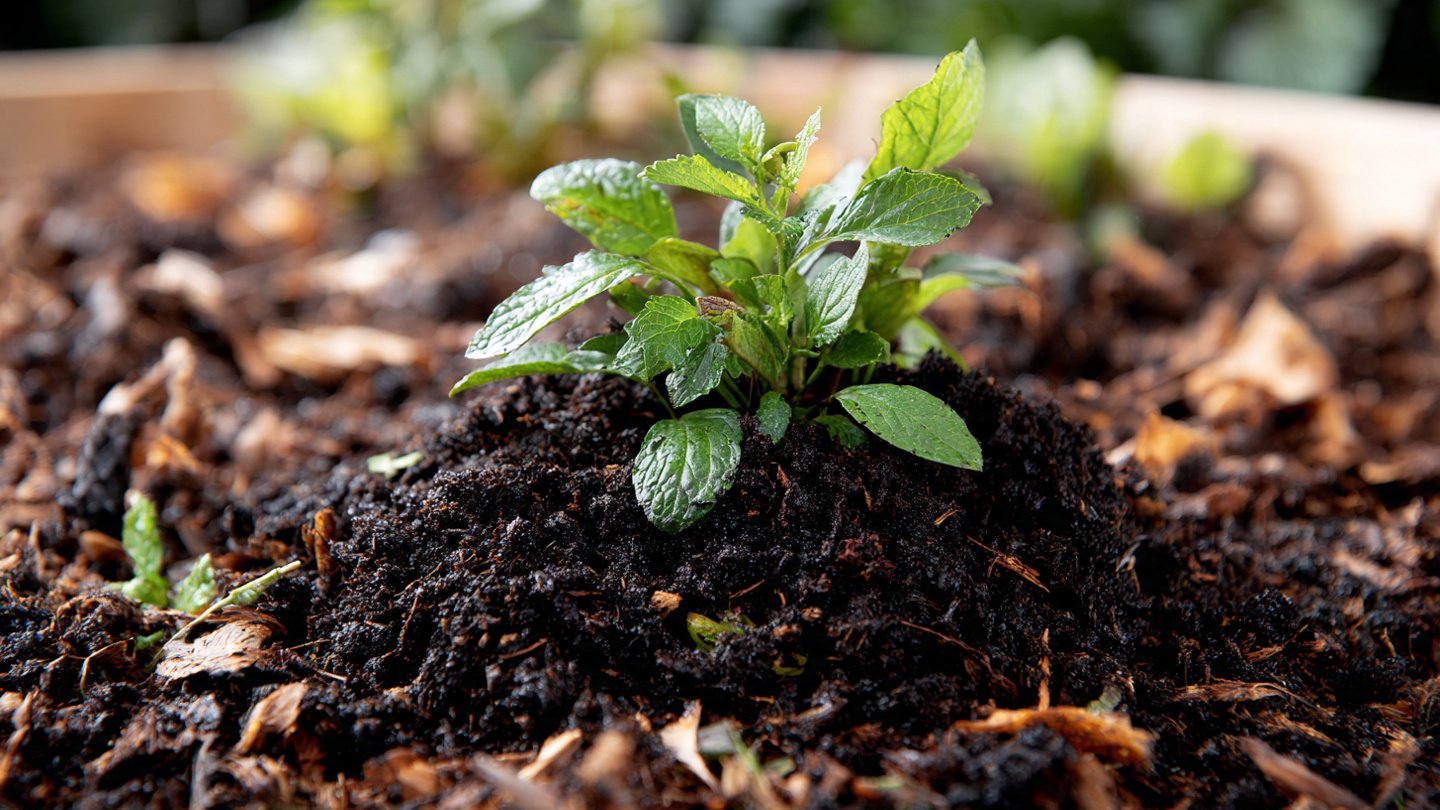
In the quest for lush, healthy gardens and thriving houseplants, gardeners are continuously exploring various organic methods to enhance soil fertility and plant health. One of the most discussed methods in recent times has been the use of compost tea. But is compost tea really the secret to thriving plants, or is it just another gardening fad? In this article, we’ll explore what compost tea is, its benefits, how to make it, and the scientific evidence that supports its use.
What is Compost Tea?
Compost tea is a liquid solution made by steeping compost in water. This process extracts beneficial microorganisms, nutrients, and other organic compounds from the compost, resulting in a nutrient-rich liquid. The primary goal of compost tea is to enhance soil health and promote plant growth by providing essential nutrients and beneficial microbes.
The Two Types of Compost Tea
There are mainly two types of compost tea:
-
Aerated Compost Tea (ACT): This method involves aeration during the brewing process, which encourages the growth of aerobic bacteria and fungi. Typically, this tea is made using a compost tea brewer or an aquarium pump to circulate air, ensuring that beneficial microorganisms proliferate.
-
Non-Aerated Compost Tea (NAT): As the name suggests, this method does not involve any aeration. Instead, it relies on the natural process of decomposition to create a nutrient-rich liquid. NAT tends to have a higher concentration of anaerobic organisms and is usually brewed for a shorter duration.
Benefits of Compost Tea
1. Enhancing Soil Fertility
Compost tea is believed to improve soil fertility by adding nutrients that plants need to thrive. Nutrients such as nitrogen, phosphorus, and potassium can be found in varying amounts in compost tea, making it an excellent organic alternative to chemical fertilizers.
2. Promoting Beneficial Microbes
One of the key benefits of compost tea is the introduction of beneficial microorganisms to the soil. These microbes play important roles in nutrient cycling and can help suppress pathogens, ultimately contributing to plant health.
3. Improving Plant Resilience
Plants treated with compost tea may exhibit greater resilience to pests and diseases. The beneficial microorganisms can establish a symbiotic relationship with the plants, enhancing their stress tolerance.
4. Increasing Water Retention
Compost tea can improve soil structure, which in turn can increase the soil’s ability to retain moisture. This is particularly beneficial in dry regions or during prolonged periods of drought.
Making Compost Tea
Step-by-Step Guide to Brewing Compost Tea
-
Gather Materials: You will need a container (5-gallon bucket works well), compost (finished and well-aged), water (preferably dechlorinated), and optional aeration equipment for ACT.
-
Add Compost: Fill the container halfway with high-quality compost. The compost should ideally be well-aged and mature, as immature compost can contain pathogens.
-
Add Water: Fill the rest of the container with water, leaving some space at the top to prevent overflow.
-
Aerate (if making ACT): Use an aquarium pump to aerate the mixture for 24 to 48 hours. This helps to stimulate the growth of beneficial aerobic microorganisms.
-
Filter: After brewing, pour the tea through a fine mesh or cheesecloth to filter out the solid compost particles.
-
Dilute: Depending on the desired concentration, you can dilute the tea with additional water before use.
-
Apply to Plants: Compost tea can be used as a foliar spray or soil drench. It’s best to use it soon after brewing to capture the maximum benefit from the microorganisms.
The Science Behind Compost Tea
While anecdotal evidence and gardener testimonials abound, scientific studies exploring the effectiveness of compost tea are somewhat mixed.
Supporting Evidence
Research has shown that compost tea can increase microbial activity in the soil, which can lead to improved nutrient availability for plants. Moreover, some studies have indicated that compost tea may effectively suppress certain soil-borne diseases due to the competitive nature of beneficial microbes.
Skepticism in the Scientific Community
However, some scientists argue that the benefits of compost tea can vary widely based on factors such as the quality of the compost used, brewing methods, and environmental conditions. Some studies have found that while compost tea can introduce beneficial microbes, the actual impact on plant growth and health may not be as significant as expected.
One common concern is that anaerobic conditions in non-aerated tea can lead to the proliferation of harmful pathogens. Moreover, without proper monitoring of the microbial population, some compost teas may not provide the anticipated benefits.
Expert Opinions
Experts in the field of soil science and horticulture often emphasize the importance of focusing on overall soil health rather than relying solely on individual products like compost tea. Dr. Elaine Ingham, a renowned soil microbiologist, has stated that while compost tea can be beneficial, its effectiveness largely depends on the starting material (compost) and the brewing conditions.
Practical Tips from Gardeners
In practice, many gardeners have reported positive results using compost tea, combining it with other organic practices such as crop rotation, companion planting, and cover cropping to establish a healthy soil ecosystem. Many experienced gardeners emphasize research and experimentations for the best results.
How to Use Compost Tea Effectively
1. Timing Your Application
Compost tea is best applied during the growing season when plants are actively taking up nutrients. Regular applications (every two to four weeks) can help maintain soil health and plant vigor.
2. Foliar Application
Using compost tea as a foliar spray can be particularly effective in delivering nutrients directly to the leaves. This can be beneficial for nutrient-deficient plants or during periods of drought.
3. Soil Drench
Applying compost tea directly to the soil as a drench can enhance soil health and stimulate root growth. This is particularly useful for vegetable gardens and flower beds.
4. Monitor Plant Response
Observe how your plants respond to compost tea applications. Adjust the frequency and concentration based on their needs. Some plants may thrive more with less frequent applications, while others may require more regular feeding.
Conclusion: Is Compost Tea the Secret to Thriving Plants?
While compost tea offers several benefits, including enhanced soil fertility, increased microbial activity, and potentially greater plant resilience, it is not a magic solution. The effectiveness of compost tea can be influenced by numerous factors, including the quality of the compost, brewing method, and specific plant needs.
For gardeners seeking to achieve thriving plants, compost tea can be an excellent addition to a holistic approach that includes diverse gardening practices, such as organic mulching, crop rotation, and soil testing. Ultimately, the secret to thriving plants lies in understanding the complexities of the soil ecosystem and employing a multifaceted strategy to promote health and vitality in our gardens.
In summary, compost tea can be part of the arsenal for gardeners aiming for lush growth, but it is essential to combine it with a well-rounded soil management plan tailored to specific garden needs. Exploring these dimensions will lead to a thriving and sustainable gardening experience.