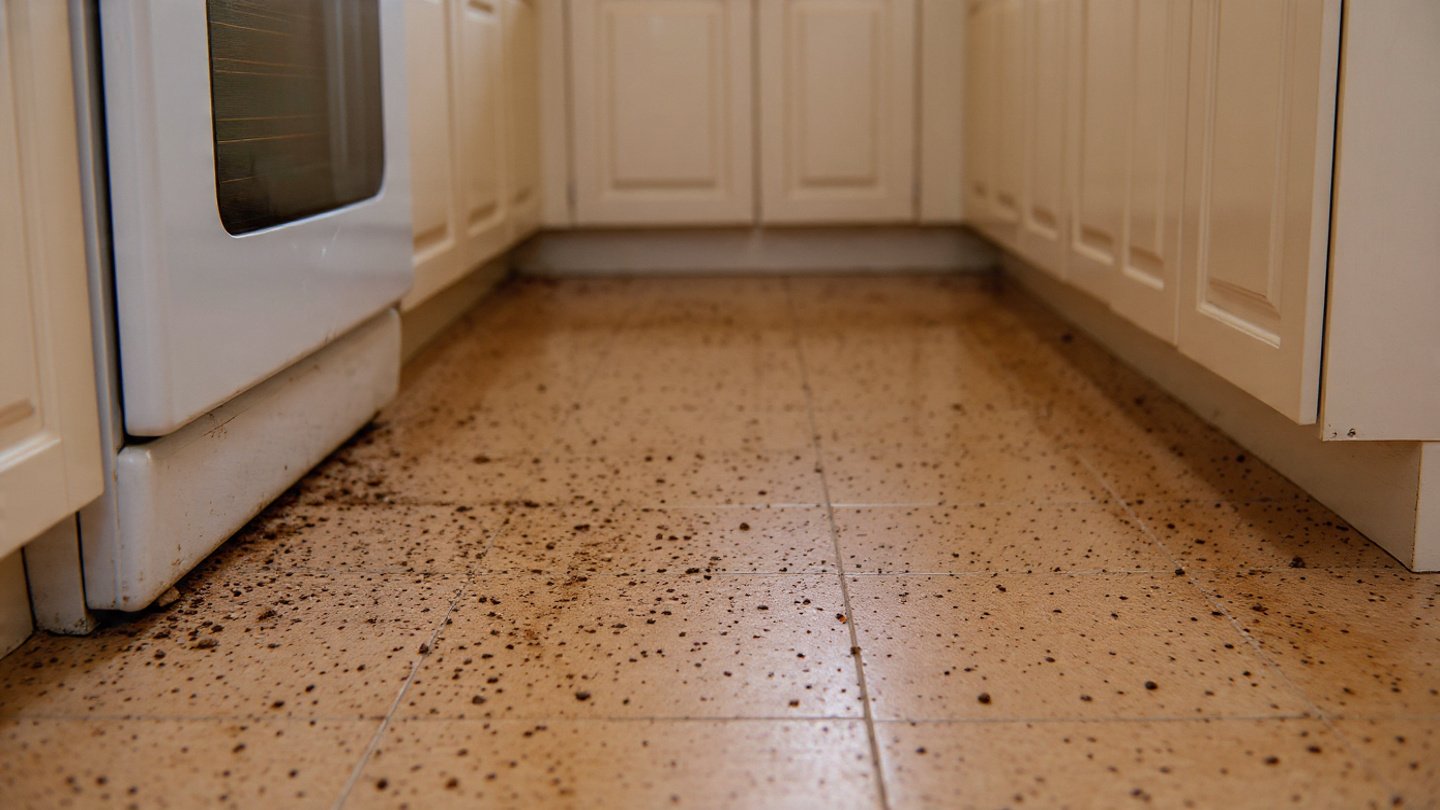
The kitchen is often considered the heart of the home, where meals are prepared and memories are created. However, it’s also a space that can accumulate a surprising amount of dirt and grime, particularly in areas close to the stove. This phenomenon can be frustrating for homeowners who strive to maintain a clean and welcoming kitchen. Understanding the reasons behind the accumulation of dirt near the stove is crucial for effective cleaning and maintenance. In this article, we will explore various factors that contribute to this issue, including cooking habits, kitchen design, and material choices.
1. Cooking Habits
a. Spills and Splatter
One of the most apparent reasons for dirt accumulation near the stove is splatters and spills. When cooking, ingredients can easily splatter onto the floor, especially when frying or boiling foods. Hot oil, sauces, and even water can create a mess that, if not cleaned promptly, will dry and become hard to remove. Frequent cooking without immediate cleanup can lead to a sticky buildup that can be challenging to manage over time.
b. Crumbs and Residue
Food preparation often results in crumbs and tiny food particles falling to the floor. These remnants can accumulate, especially if they aren’t regularly swept or mopped away. Common culprits include pieces of vegetables, grains, and sauces that may fall during chopping, mixing, or serving. Over time, these small particles can contribute significantly to the overall dirtiness of the kitchen floor.
c. Grease Build-Up
Cooking methods that involve high heat, such as frying or sautéing, can lead to grease buildup. This grease can settle on surfaces, including the floor. If not regularly cleaned, grease can attract dust and dirt, creating a sticky layer that is difficult to remove.
2. Kitchen Design
a. Open Floor Plan
Kitchens with an open floor plan tend to have more foot traffic, as they are often adjacent to dining areas or living spaces. This increased movement can lead to dirt being tracked in from other rooms, particularly if shoes are worn indoors. Over time, a significant amount of dirt and debris can accumulate in heavily trafficked areas, including near the stove.
b. Floor Layout
The layout of the kitchen itself can also contribute to dirt accumulation. For instance, if the stove is positioned in a corner or away from the main traffic areas, it might be less accessible for cleaning. Additionally, if the kitchen floor is uneven or has grout lines, dirt can easily become trapped in these crevices, making it more challenging to maintain a clean surface.
3. Material Choices
a. Flooring Material
The type of flooring material can significantly influence how much dirt accumulates. Some materials, like tile or linoleum, are more resistant to staining and easier to clean, while others, like carpet or certain types of hardwood, may hold onto dirt and grime more readily. For example, textured surfaces may be more difficult to clean thoroughly, leading to dirt buildup over time.
b. Grout Lines
For tiled floors, the grout lines can harbor dirt and food particles. Grout is porous and can absorb spills, leading to discoloration and odor. If not regularly sealed and cleaned, grout can become a breeding ground for bacteria and mold, resulting in more dirt near the stove area.
4. Dust and Allergens
a. Cooking Debris
Cooking not only creates food waste but also releases small particles into the air, including smoke, steam, and food odors. These particles can settle on surfaces nearby, including floors. Even when cooking is done, leftover odors and remnants can contribute to a dirty environment.
b. Allergens
Dust and allergens from outside can also be a factor. When windows are opened, pollen and dust can enter the kitchen and settle. If the stove area is frequently used, this dust can accumulate, particularly if the space isn’t cleaned regularly. Moreover, pet dander from household pets can contribute to this problem, leading to additional dirt and grime buildup.
5. Infrequent Cleaning
a. Cleaning Habits
The frequency and method of cleaning can drastically affect how quickly dirt accumulates. If the kitchen isn’t cleaned regularly, dirt and spills can multiply. It’s easy to overlook the space around the stove, especially when routines become hectic. Regular maintenance is key to preventing excessive build-up.
b. Cleaning Products
The effectiveness of cleaning products used can also play a role. Some products may not adequately break down grease or clean up stubborn stains. Using the wrong type of cleaner for the flooring material can lead to choices that don’t effectively remove dirt, contributing to longer-term issues.
6. Appliance Usage
a. Range Hoods and Ventilation
Range hoods and ventilation systems are essential for reducing smoke, steam, and odors while cooking. However, if they are not functioning properly, they may fail to remove these particles from the air effectively. Without proper ventilation, cooking debris can settle in the kitchen, particularly near the stove area.
b. Appliance Positioning
The positioning of kitchen appliances can also affect dirt accumulation. For example, if the stove is placed next to a refrigerator or sink without sufficient space for cleaning, it may be more prone to accumulating dirt and grime.
7. The Impact of Time
a. Aging of Surfaces
Over time, the surfaces in your kitchen can wear down. This aging process can make floors more porous and susceptible to absorbing dirt and spills. If the kitchen floor is not regularly maintained, the condition will worsen, making it even more difficult to clean effectively.
b. Accumulated Layers of Dirt
As dirt, grease, and grime build-up over time, it creates layers that become progressively more challenging to remove. Regular maintenance can help keep these layers from forming, but neglect can lead to a situation where significant cleaning efforts are required to restore the floor’s appearance.
8. Preventive Measures
To combat the accumulation of dirt near the stove, there are several effective strategies homeowners can implement:
a. Regular Cleaning Schedule
Set a consistent cleaning schedule that includes mopping and sweeping the floor, particularly around the stove. This habit can help mitigate the buildup of dirt and make it easier to maintain a clean environment.
b. Use of Mats
Consider placing mats or rugs in high-traffic areas near the stove. These can absorb spills and catch crumbs, preventing them from falling onto the floor and making cleanup easier.
c. Smart Cooking Practices
Be mindful while cooking to minimize spills. Use lids when frying to reduce splatter, and consider employing a dedicated cutting board to catch food debris. This simple adjustment can significantly reduce mess in the cooking area.
d. Proper Ventilation
Ensure your kitchen is adequately ventilated to reduce smoke and steam accumulation, which can contribute to dirt buildup over time. Regularly check that range hoods and vents are clean and functioning properly.
e. Select Appropriate Cleaning Products
Use effective cleaning products suited for your specific floor type to help break down grease and grime. Investing in high-quality cleaning solutions can make a substantial difference in your cleaning outcomes.
Conclusion
Kitchen floors, particularly near the stove, can accumulate dirt over time due to a myriad of factors including cooking habits, kitchen design, material choices, and the aging of surfaces. By understanding these causes, homeowners can take proactive measures to maintain a cleaner kitchen environment. Regular cleaning, mindful cooking practices, and appropriate cleaning products can significantly reduce dirt accumulation and keep the kitchen looking its best. Ultimately, a cleaner kitchen not only enhances the overall appearance of the home but also promotes a healthier cooking environment, where families can gather and create lasting memories.