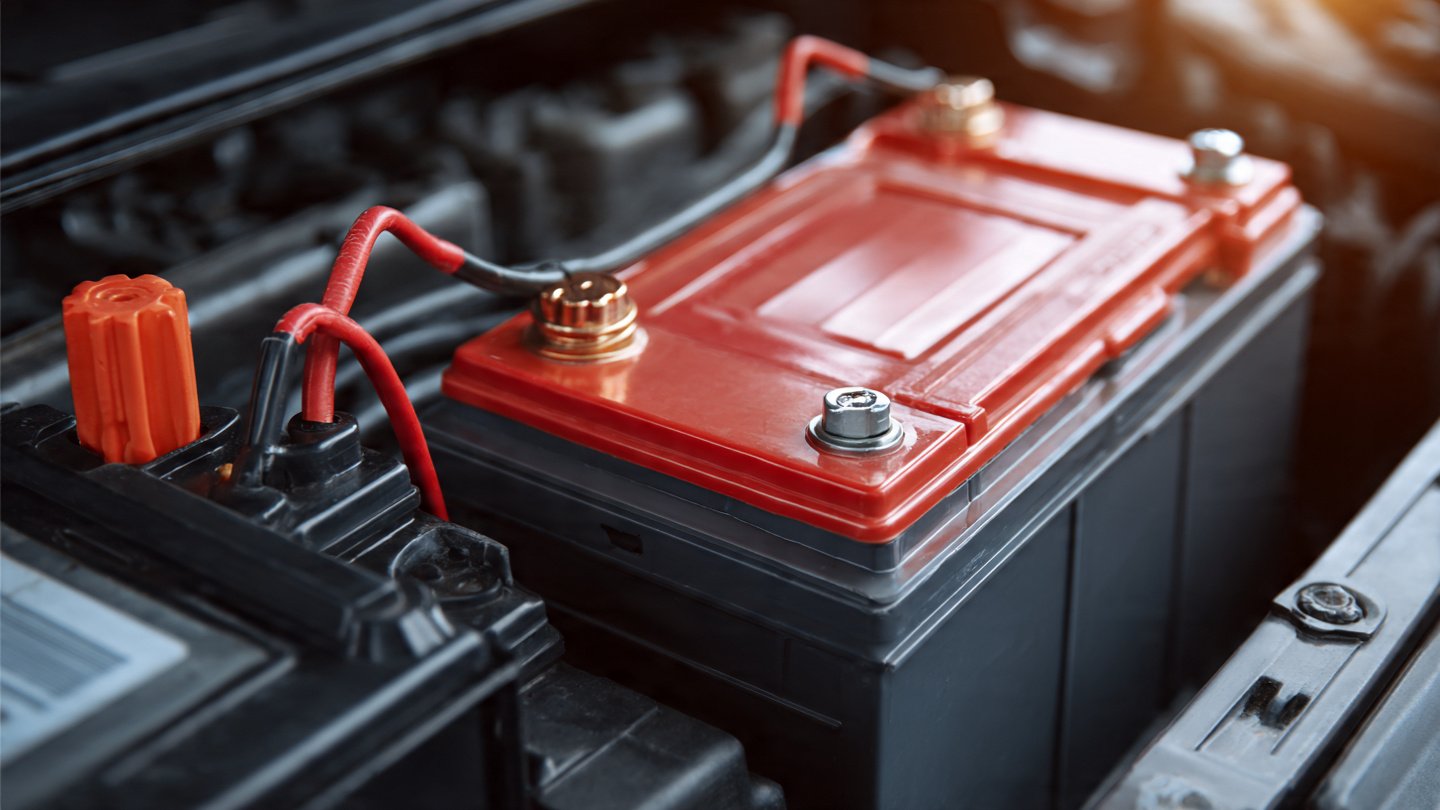
Car batteries are an essential component of any vehicle; they provide the necessary power to start the engine and run electrical systems within the car. However, many drivers overlook one simple yet highly effective trick that can significantly extend the lifespan of their car battery. In this article, we’ll explore this trick in detail, along with additional tips for maintaining your battery and understanding its components.
Understanding Car Batteries
Before diving into battery care practices, it’s essential to understand how car batteries work. Most vehicles utilize lead-acid batteries, which consist of lead dioxide plates and sponge lead plates submerged in an electrolyte solution of sulfuric acid and water. When the battery is discharging, a chemical reaction occurs between the lead plates and the sulfuric acid, producing electricity.
Typically, a car battery has a lifespan of about three to five years, depending on several factors, including climate, driving habits, and maintenance. Regular maintenance and care can easily extend this lifespan, saving you money and ensuring reliable performance.
The Simple Trick: Regularly Driving Your Vehicle
One of the simplest yet most effective strategies to enhance your car battery’s longevity is to make sure you regularly drive your vehicle, if possible. Many people might not realize it, but car batteries discharge over time, especially when not in regular use. If you leave your vehicle unused for extended periods, the battery can completely drain, leading to early failure.
Why Regular Driving Matters
When you drive your car, the alternator recharges the battery while the engine runs. This consistent charging helps maintain the battery’s charge and prevents sulfation—a process where lead sulfate crystals form on the battery plates, leading to reduced capacity and performance. Here are some key reasons why regular driving matters:
-
Prevents Deep Discharge: Regularly using your car keeps the battery from discharging too much. A deep discharge can lead to sulfation and reduce the battery’s ability to hold a charge.
-
Keeps Connections Clean and Secure: Frequent driving can help ensure that the battery terminals remain clean and properly connected. Corrosion can build up over time, leading to poor connections that hinder performance.
-
Ensures Battery Health: Driving keeps the battery’s electrolyte solution well-mixed, preventing the stratification of the acid. This uniformity helps maintain battery activity and effectiveness.
Recommendations for Driving Frequency
To maximize your battery’s lifespan through driving, aim for at least one long drive each week. A drive of around 20 minutes should suffice to recharge the battery adequately. However, if your vehicle is regularly used for short trips, consider incorporating longer drives into your weekly routine to ensure the battery gets sufficient charge.
Additional Tips for Extending Battery Life
While the driving trick is crucial, several additional practices can further enhance your battery’s longevity.
1. Keep Terminals Clean
Corrosion at the battery terminals can hinder electrical flow, reducing the battery’s effectiveness. Clean the terminals regularly to remove any buildup. A mixture of baking soda and water can effectively dissolve corrosion, while a wire brush can help clean the terminals and connectors.
2. Check the Electrolyte Levels
If you have a traditional lead-acid battery, checking the electrolyte levels regularly is essential. Ensure that the fluid covers the lead plates, as low fluid levels can lead to overheating and reduce battery life. If the levels are low, you can top them off with distilled water.
3. Avoid Short Trips
As mentioned earlier, short trips might not provide enough time for the alternator to recharge the battery fully. Try to consolidate errands into longer drives whenever possible, giving the battery ample time to recharge.
4. Disconnect the Battery When Not in Use
If you plan on leaving your car unused for an extended period, consider disconnecting the battery. This can help prevent any slow discharging that may occur due to the car’s electrical systems. Alternatively, you can use a battery maintainer or trickle charger to keep the battery charged while parked.
5. Protect from Extreme Temperatures
Extreme heat or cold can affect battery performance and lifespan. If you live in regions with temperature extremes, consider parking in a garage or using battery insulation. Keeping the battery temperature consistent helps maintain its efficiency and longevity.
6. Invest in a Quality Battery
Not all batteries are created equal. While it’s tempting to opt for cheaper options, investing in a quality battery from a reputable manufacturer can save you money in the long run. Higher-quality batteries often come with better warranties and longer lifespans.
7. Monitor for Signs of Wear
Keep an eye out for symptoms that might indicate your battery is nearing the end of its life. Difficulty starting the engine, dimming headlights, or warning lights on the dashboard can be signs of battery failure. Regular maintenance checks can help identify such issues early on.
Conclusion
Enhancing your car battery’s longevity is not only easy but can also save you money and prevent inconvenient breakdowns. By regularly driving your vehicle and implementing the additional tips discussed in this article, you can ensure that your battery lasts longer and performs efficiently.
A little attention to your battery can go a long way. Implement these strategies, and you’ll find that improving your battery’s lifespan often requires minimal effort but yields significant benefits. Remember, a well-maintained battery not only keeps your vehicle running smoothly but also contributes to overall driving safety and reliability.
By taking these precautionary measures and keeping your battery in mind, you’ll enjoy a more reliable driving experience while extending the life of this critical automotive component. Happy driving!