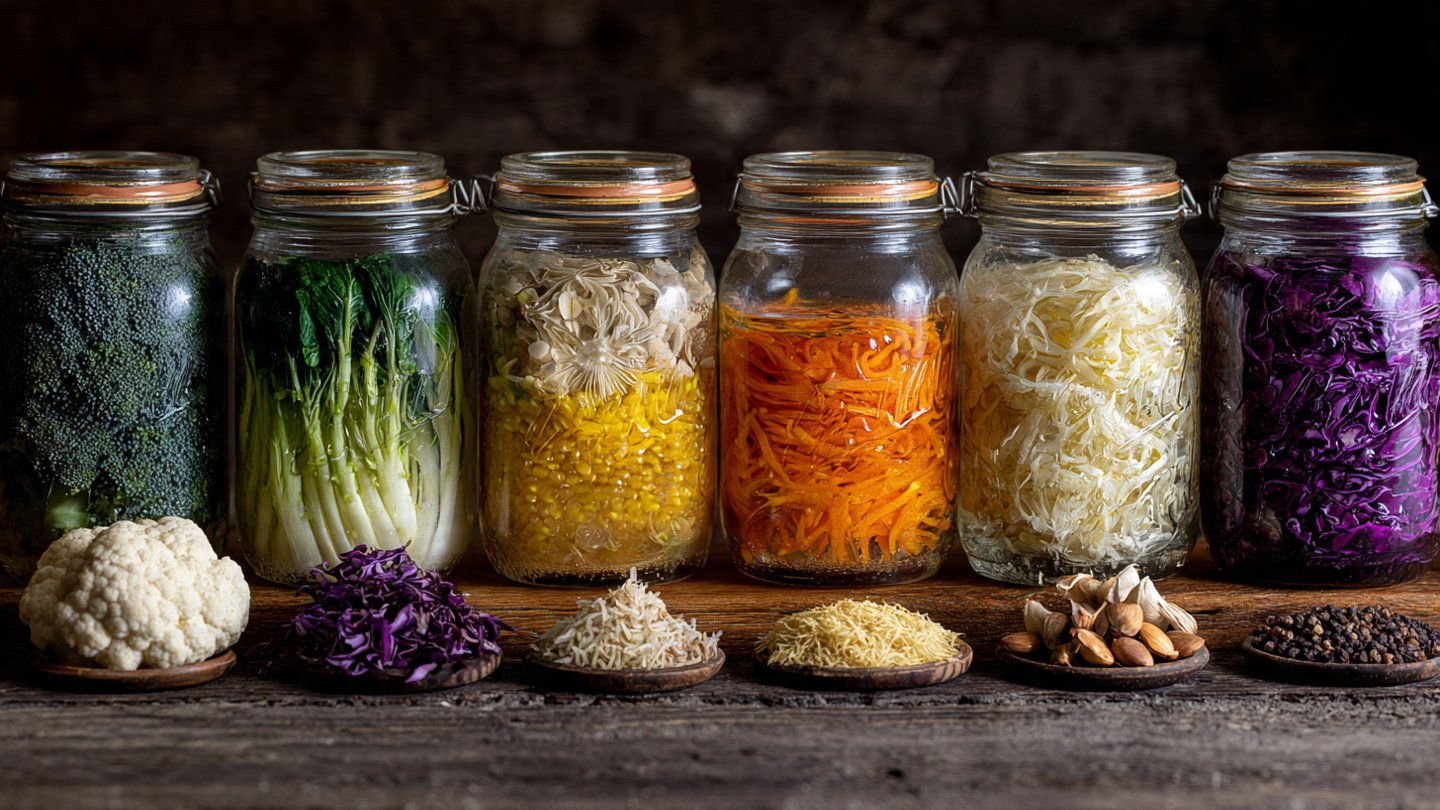
In the world of nutrition and cooking, the methods we use to prepare ingredients can significantly impact their health benefits and digestibility. One time-tested technique that has gained attention for its beneficial effects is the practice of soaking ingredients overnight. This article will delve into the advantages of soaking various food items before consumption and examine the science behind why this age-old method remains relevant in modern culinary practices.
Understanding Soaking
Soaking involves immersing food ingredients—such as grains, legumes, nuts, and seeds—in water for a considerable period, typically overnight. This process is not merely a matter of convenience but is rooted in enhancing the nutritional profile of these foods. By allowing the ingredients to absorb water, we initiate a range of biological and chemical processes that can lead to a more nutritious end product.
Why Soak Ingredients?
-
Improved Nutrient Absorption
Many grains, legumes, and seeds contain anti-nutrients such as phytic acid and enzyme inhibitors that can hinder the absorption of essential nutrients like iron, zinc, and calcium. Soaking helps to reduce the levels of these compounds, making the nutrients more bioavailable. For instance, phytic acid binds to minerals and prevents their absorption, leading to deficiencies over time. Soaking breaks down these compounds, enhancing the body’s ability to utilize the nutrients present in the food. -
Enhanced Digestibility
Soaking can also aid in digestion. The process activates enzymes in the food that can make carbohydrates easier to digest. For individuals with sensitivities to certain foods, typical examples being legumes, soaking can reduce the occurrence of digestive discomfort. Soaked beans, for instance, are less likely to cause gas and bloating than their unsoaked counterparts. -
Increased Flavor and Texture
Soaking can enhance the flavor and texture of ingredients. When grains and legumes are soaked, they swell, become tender, and absorb the flavors of any seasoning or broth used in cooking. This results in more flavorful and palatable dishes. A common practice in making rice dishes is to soak the grains, leading to a fluffier texture and improved flavor absorption. -
Reduced Cooking Time
One of the practical advantages of soaking is the reduction in cooking time. Soaked ingredients require less cooking time because they are already partially hydrated. This can make meal preparation quicker, which is particularly beneficial for busy individuals or families. For instance, soaked lentils cook in a fraction of the time compared to unsoaked, which can be a game-changer during weeknight dinners. -
Better Food Safety
Soaking can also contribute to food safety. For instance, soaking beans and legumes not only makes them easier to digest but also helps to eliminate some harmful substances, such as lectins, which can be found in raw legumes. Cooking, following soaking, greatly reduces any remaining anti-nutritional factors while also killing harmful bacteria.
Which Ingredients Benefit from Soaking?
Grains
Whole Grains: Whole grains such as brown rice, quinoa, and oats can greatly benefit from soaking. The phytic acid content in whole grains can be reduced by soaking, enhancing mineral absorption and making them more digestible. Additionally, soaked oats can be transformed into delicious overnight oats, a popular and nutritious breakfast option.
Legumes
Beans and Lentils: Soaking beans and lentils is essential for optimal nutrition. The soaking process reduces anti-nutritional factors and helps cut down on cooking time. For best results, it’s advisable to soak beans for 8-12 hours before cooking. Lentils generally require less time, so a quick soak of a few hours can suffice.
Nuts and Seeds
Nuts: Raw nuts such as almonds, walnuts, and cashews can benefit from soaking as it softens their texture and reduces enzyme inhibitors. Soaked nuts are easier to blend into smoothies or nut butters. Additionally, soaking nuts can enhance their flavor while reducing their bitterness, making them a delightful addition to various dishes.
Seeds: Chia seeds and flaxseeds, when soaked in liquid, form a gel-like consistency that can be incorporated into smoothies, puddings, or baked goods. This helps in enhancing the nutritional profile, making the omega-3 fatty acids in flaxseeds more bioavailable.
Vegetables and Fruits
Certain fibrous vegetables and fruits can also be soaked. For instance, soaking dried fruits such as apricots or raisins can rehydrate them, making them softer and easier to digest. This can be particularly useful when using dried fruits in baking or cooking.
How to Properly Soak Ingredients
Soaking ingredients is quite simple, but there are best practices to ensure optimal results:
-
Choose the Right Container: Use a glass or stainless steel container to soak your ingredients. Avoid plastic containers, as they can leach chemicals into the food.
-
Use Clean Water: Use filtered water, if possible, to avoid introducing any unwanted substances. Ensure that your ingredients are covered with water, as they will absorb some during the soaking process.
-
Timing: Different ingredients require different soaking times:
- Legumes: 8-12 hours
- Grains: 8-12 hours
- Nuts: 6-8 hours
- Seeds: 1-2 hours (for chia and flax)
- Dried Fruits: 2-4 hours
-
Rinse Before Cooking: After soaking, rinse the ingredients thoroughly to remove any released anti-nutrients and odors before cooking.
-
Cook Properly: Always cook soaked ingredients according to recommended time and temperature to ensure they are safe and enjoyable to eat.
Common Misconceptions
“Soaking Makes Food Taste Bland”
Not necessarily! While soaking may alter the texture of certain foods, it can actually enhance flavors. For example, grains can absorb flavors from broth or spices if cooked right after soaking, leading to richer tasting dishes.
“Soaking Is Just a Trend”
Although soaking has gained popularity in recent years, it is a practice rooted in various culinary traditions worldwide. Many cultures have long soaked grains and legumes as a means to optimize the health benefits.
“All Ingredients Benefit Equally”
Not all ingredients require soaking. Some grains and vegetables can actually lose nutrients if soaked for too long or if moisture affects their structure. It’s crucial to understand which foods benefit most from soaking and to adhere to proper soaking practices.
Conclusion
Soaking food ingredients overnight offers a multitude of benefits that enhance both nutrition and flavor. From improved nutrient absorption to better digestibility and quicker cooking times, the advantages of this ancient practice are undeniable. In our fast-paced world, taking the time to soak ingredients is an investment in our health and culinary experiences. With increased awareness and understanding of the importance of soaking, we can embrace these practices in our daily cooking and eating, supporting our nutritional goals and enjoying more flavorful meals.
Whether you’re a seasoned chef or just starting your culinary journey, consider making soaking a regular part of your meal preparation routine. By doing so, you’ll not only improve the nutritional value of your meals but also discover deeper flavors and textures that elevate your cooking to new heights. So, next time you plan a meal, don’t forget to soak those ingredients overnight—you’ll be glad you did!