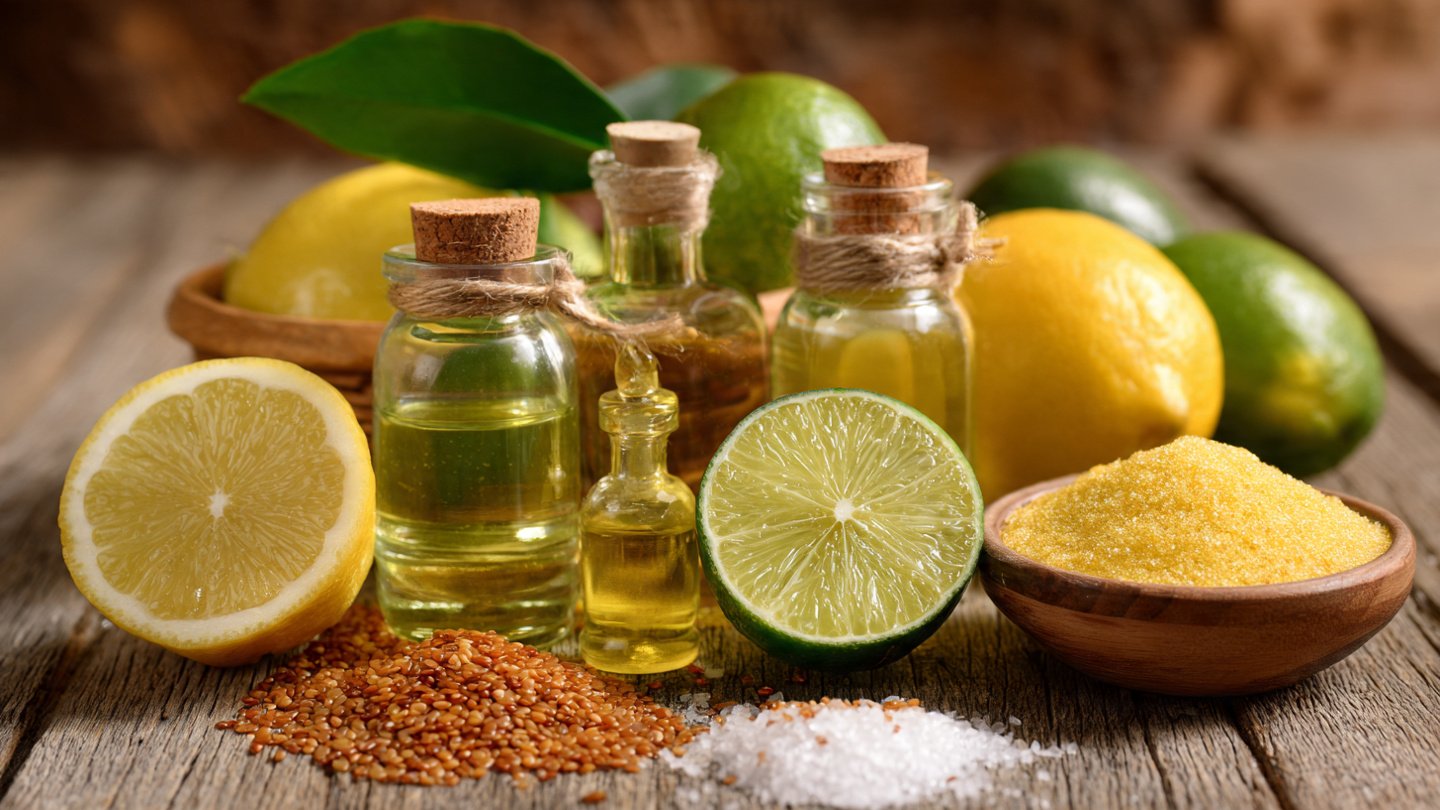
Home remedies have been a cornerstone of health and wellness practices across cultures for centuries. They offer an accessible and often cost-effective way to address common ailments. However, the rising popularity of home remedies, particularly in the age of social media, has led to a concerning trend: the oversaturation and misuse of these practices. While home remedies can serve as beneficial adjuncts to conventional treatments, moderation and understanding are essential for ensuring safe and effective healing.
Understanding Home Remedies
Home remedies include various treatments derived from herbs, spices, foods, and other natural ingredients commonly found in households. These practices often stem from traditional knowledge and have been passed down through generations. While some scientific studies have validated the efficacy of certain remedies, many remain anecdotal in nature. This presents a unique challenge: discerning which remedies are beneficial and which can potentially cause harm if misapplied.
The Allure of Home Remedies
Many are drawn to home remedies because they offer a sense of empowerment and control over personal health. The ability to make decisions regarding one’s own healing process can be profoundly satisfying. Moreover, natural remedies are often perceived as gentler and less harmful than pharmaceutical options, making them particularly appealing to those wary of side effects associated with conventional medications.
Nonetheless, this allure can lead to overconfidence in the safety and effectiveness of these remedies. As a result, individuals may resort to home remedies as a primary treatment method, neglecting professional medical advice and compromising their health in the process.
The Risks of Overuse and Misuse
While some home remedies can effectively treat minor ailments, moderation is key. Misuse can arise in several ways:
1. Excessive Dosage
Many home remedies recommend using specific ingredients in the right amounts to achieve desired effects. However, there can be a temptation to increase dosages, believing that more is better. This can lead to adverse effects. For instance, excessive consumption of herbal teas may result in gastrointestinal disturbances or allergic reactions. Similarly, high doses of garlic, while beneficial in moderation, can lead to blood thinning and stomach upset.
2. Interaction with Medications
Home remedies can interact with conventional medications in unforeseen ways. For example, herbal supplements like St. John’s Wort can interfere with antidepressants and birth control pills, reducing their effectiveness. A lack of awareness about these interactions can lead to dangerous consequences. It’s essential for individuals to communicate with healthcare providers about any home remedies they are considering, especially if they are already on medication.
3. Misdiagnosis and Delayed Treatment
Self-diagnosing ailments and turning to home remedies can lead individuals to overlook serious medical conditions. For example, relying on turmeric for joint inflammation might provide temporary relief for minor issues but could delay the necessary treatment for conditions like rheumatoid arthritis. Such delays may lead to complications that could have been avoided with timely medical intervention.
4. Allergies and Sensitivities
Natural ingredients, while often safer, can still provoke allergic reactions. Honey, for instance, is a popular remedy for sore throats but poses a risk for those with allergies. Even common foods like nuts and dairy can cause severe reactions in sensitive individuals, underscoring the need for moderation and caution when attempting new treatments.
The Role of Evidence
The growing trend of using home remedies is accompanied by a wealth of information available online. However, not all sources are trustworthy. It’s crucial to assess claims critically and seek out evidence-based information. Fortunately, many home remedies have been studied scientifically, offering a clearer understanding of their benefits and risks.
Research and Clinical Trials
Many home remedies undergo rigorous testing in clinical trials, establishing their effectiveness and safety. Familiarizing oneself with scientific research can help individuals make informed choices. For example, studies have shown that ginger can effectively reduce nausea, while peppermint oil is commonly used for digestive issues. Understanding the evidence behind remedies can prevent reliance on unproven methods that may be harmful.
Professional Guidance
Consulting with healthcare professionals is paramount. Holistic practitioners, such as naturopaths or integrative medicine doctors, can provide valuable insights into how to safely incorporate home remedies into a broader wellness plan. They can also recommend evidence-based approaches and help navigate potential interactions with existing medications.
Establishing a Balanced Approach
To harness the potential benefits of home remedies while avoiding risks, a balanced and moderate approach is essential:
1. Start Small
When trying a new home remedy, begin with small amounts. Monitor how your body responds before increasing the dosage. This cautious approach helps mitigate potential side effects and makes it easier to identify any adverse reactions.
2. Research and Validate
Before trying a home remedy, conduct thorough research. Look for scientific evidence supporting the remedy’s efficacy and safety. Reliable health websites, academic journals, and trusted healthcare professionals can provide valuable information.
3. Communicate with Healthcare Providers
Incorporate communication about home remedies into regular check-ups. Make your healthcare provider aware of any remedies you’re using or considering. They can provide guidance and monitor for any potential interactions or side effects.
4. Consider the Whole Person
Wellness isn’t just about treating symptoms; it encompasses overall well-being. Home remedies can complement other aspects of health, such as nutrition, exercise, and stress management. For instance, while using herbal teas for relaxation, incorporating mindfulness practices can enhance the overall healing experience.
5. Respect Cultural Context
Many home remedies have cultural significance and a long-standing history of use. Recognizing this context can enhance appreciation and understanding of these practices. Moreover, respecting cultural wisdom encourages a more holistic and inclusive approach to health.
Case Studies: Success and Caution
Success Story: Honey and Lemon for Coughs
A widely recognized home remedy for coughs involves mixing honey and lemon. This combination is not only soothing but also has evidence supporting its effectiveness. Honey is known for its antimicrobial properties and acts as a natural cough suppressant, while lemon provides vitamin C. When used moderately, this remedy can relieve symptoms effectively without negative side effects.
Cautionary Tale: Herbal Supplements and Blood Thinners
In contrast, consider someone taking herbal supplements like ginkgo biloba for cognitive enhancement. While this supplement is popular in some circles, it can interact with anticoagulants, leading to an increased risk of bleeding. Here, misjudgment and a lack of moderation could lead to serious health consequences.
Conclusion
Home remedies hold a valuable place in the spectrum of health and wellness. They offer a means to engage with one’s health proactively and often promote a sense of well-being. However, the key to maximizing the benefits of these remedies lies in moderation and informed decision-making.
Balancing the allure of natural healing with a cautious and well-researched approach ensures safe healing practices. By respecting the limits, communicating with healthcare providers, and understanding the potential risks, individuals can enjoy the benefits of home remedies while safeguarding their health. Ultimately, a harmonious blend of tradition, evidence, and professional guidance can pave the way for effective and safe healing.