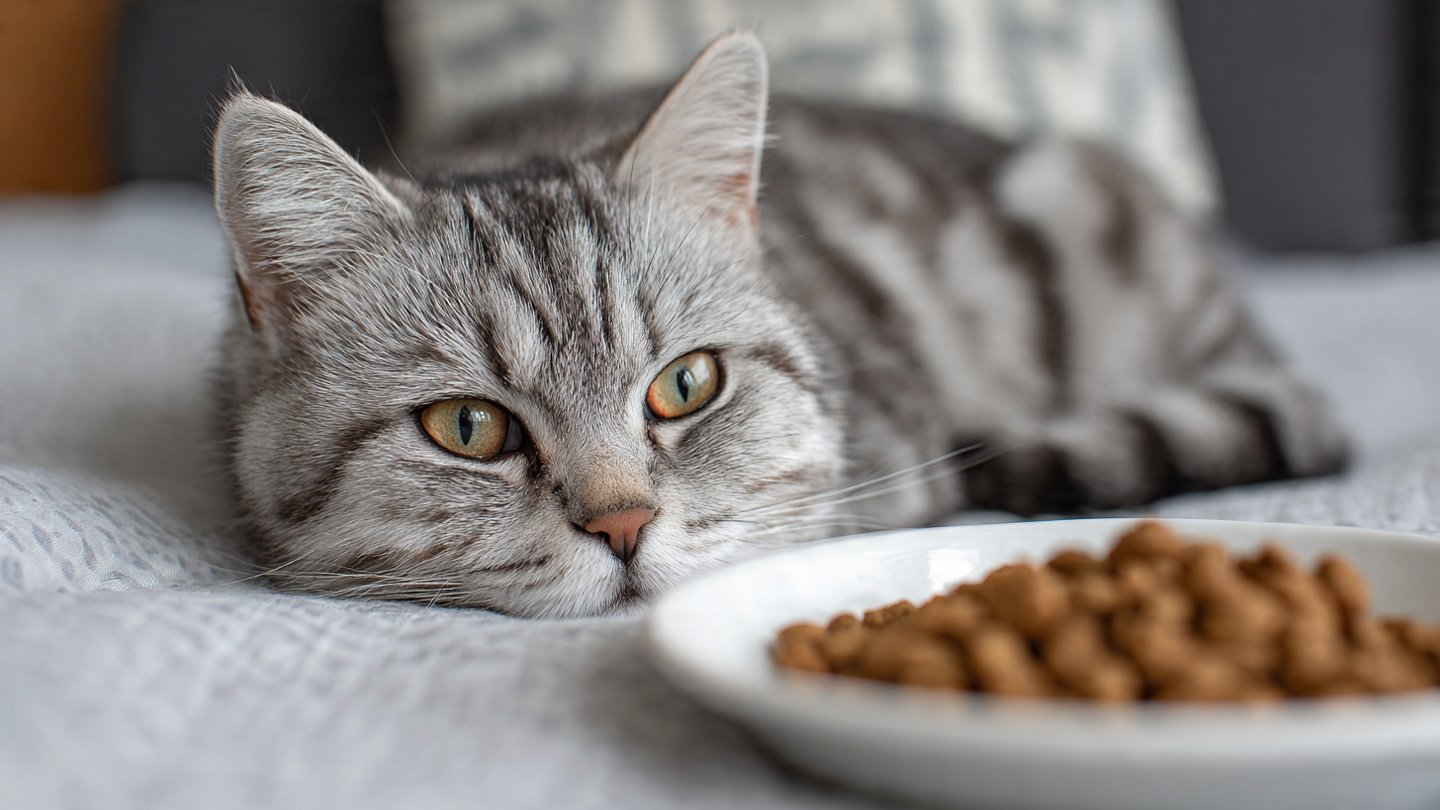
The bond between humans and their pets often transcends mere companionship; it encompasses emotional connections that can significantly influence the mental health of both parties. While most pet owners focus on physical health—ensuring their furry friends receive nutritious food and regular veterinary care—many overlook the substantial role that diet plays in their pets’ emotional wellbeing. This article aims to explore the intricate relationship between diet and mental health in pets, offering insights into how what you feed your pets can affect their mood, behavior, and overall emotional state.
The Connection Between Diet and Emotion
Recent studies indicate a compelling link between nutrition and mental wellbeing in pets, supporting the notion that food not only nourishes the body but also influences the mind. Just as in humans, the quality of a pet’s diet can affect its behavior, anxiety levels, and emotional resilience. Here are some key factors to consider:
Nutritional Components That Affect Mood
-
Amino Acids: Proteins are broken down into amino acids, which play a crucial role in the synthesis of neurotransmitters—chemicals that transmit messages in the brain. For instance, tryptophan is an essential amino acid that helps produce serotonin, often referred to as the “happiness hormone.” A deficiency in essential amino acids can lead to behavioral issues, anxiety, and a decrease in overall emotional wellbeing.
-
Omega-3 Fatty Acids: Found in fish oil and certain plant sources, omega-3 fatty acids have been shown to have mood-stabilizing properties. These fatty acids are vital for brain health and have anti-inflammatory properties that can mitigate symptoms of anxiety and depression in pets.
-
Vitamins and Minerals: B vitamins, particularly B6 and B12, play a significant role in stress reduction and cognitive function. A deficiency in these vitamins can lead to increased irritability and anxiety in pets. Minerals like zinc and magnesium also contribute to maintaining a balanced mood.
-
Probiotics: A healthy gut is integral to a healthy mind. Recent research has revealed the gut-brain axis, highlighting how gut health positively affects mood and behavior. Probiotics can help maintain a healthy digestive system, which in turn supports emotional wellbeing.
The Role of Diet Quality
The overall quality of your pet’s diet significantly impacts their emotional health. A balanced, high-quality diet provides pets with the nutrients they need to function optimally. Conversely, a poor-quality diet—rich in fillers, artificial additives, and unhealthy fats—can lead to nutritional deficiencies, which may manifest as behavioral problems, anxiety, or aggression.
-
Processed vs. Whole Foods: Just as in human diets, heavily processed pet foods often lack the essential nutrients required for optimal health. Whole, unprocessed foods can offer a more balanced nutritional profile, contributing to overall wellbeing.
-
Additives and Preservatives: Many commercial pet foods contain artificial additives and preservatives that could have detrimental effects on your pet’s mental health. Some studies suggest a link between certain artificial colors and behavioral issues in pets, such as hyperactivity and anxiety.
Behavioral Changes Linked to Diet
A pet’s diet can manifest in various behavioral changes that signal emotional distress or imbalance:
-
Increased Anxiety and Stress: If a pet is not receiving adequate nutrition, they may exhibit signs of anxiety, such as excessive barking, destructive behavior, or withdrawal. Pets lacking in essential nutrients may struggle to cope with stressors in their environment.
-
Aggression or Irritability: Poor diet can lead to imbalances in brain chemistry, leading to aggressive behavior or irritability. A well-balanced diet can greatly improve mood stability and reduce conflict behaviors in pets.
-
Hyperactivity or Lethargy: Nutritional imbalances can result in hyperactivity due to excess sugars and poor-quality carbohydrates, while a lack of vital nutrients can lead to lethargy and a lack of motivation.
Understanding Food Sensitivities and Allergies
Another crucial aspect of how diet influences emotional wellbeing is food sensitivities or allergies. Many pets suffer from dietary intolerances that can lead to discomfort, digestive distress, and ultimately stress. When a pet feels unwell, it can result in increased anxiety, irritability, and changes in behavior.
-
Identifying Allergies: Common allergens for pets include grains, dairy, and certain proteins. Identifying these through an elimination diet can help tailor a pet’s diet to prevent discomfort.
-
Quality Over Quantity: Not all pet foods marketed as “high-quality” are created equal. Always consult with a veterinarian to find a diet that meets your pet’s specific nutritional needs.
Psychological Effects of Regular Feeding Routines
The act of feeding itself can serve as an emotional anchor for pets. Establishing a structured feeding routine can promote a sense of security and predictability in their lives.
-
Routine and Security: Pets thrive on routine. Regular feeding times can alleviate anxiety and give pets a sense of stability. In contrast, irregular feeding schedules may lead to stress and anxiety.
-
Mindful Feeding: Engaging in practices like slow feeding can enhance the emotional experience of mealtime. Using puzzle feeders or interactive toys can stimulate their minds and provide an enriching experience that positively affects their emotional state.
Treats and Emotional Connections
Treats offer not just nutritional benefits but also enhance the emotional bond between pets and their owners. However, the types of treats chosen can play a pivotal role in a pet’s emotional wellbeing.
-
Healthy Treat Options: Select treats that are low in sugar and high in proteins or whole ingredients. Treats can be used for positive reinforcement in training, which helps build confidence in pets and strengthens the bond with their owners.
-
Homemade Treats: Making homemade treats allows you to control the ingredients while providing a fun bonding activity. Many pets enjoy spending time with their owners, and creating treats together can enhance emotional connections.
The Importance of Hydration
While discussing diet, it’s crucial not to overlook the role of water. Hydration is fundamental for all bodily processes, including those that affect mood and mental health.
-
Dehydration and Stress: Dehydration can lead to lethargy, irritability, and confusion. Ensure pets have constant access to fresh water, as even slight dehydration can negatively affect their emotional state.
-
Encouraging Water Intake: Many pets may not drink enough water. Offering fresh, clean water and considering water-fountain systems can encourage them to stay hydrated, benefiting their mood and emotional health.
Conclusion: A Holistic Approach to Pet Wellbeing
Understanding how diet influences your pet’s emotional wellbeing is vital for any responsible pet owner. By taking a holistic approach—considering nutrition, routine, hydration, and the bond built through feeding practices—you can significantly impact your pet’s happiness and mental health.
The relationship between diet and emotional wellbeing is complex yet fascinating. Investing time and resources into understanding what your pet needs nutritionally can lead to a happier, healthier, and more emotionally stable companion. As we continue to learn more about the intricate connections between diet, behavior, and emotional health, it’s clear that the choices we make for our pets can create ripples of positive impact on their overall quality of life. By prioritizing your pet’s nutritional needs, you ultimately contribute to their emotional resilience and happiness.