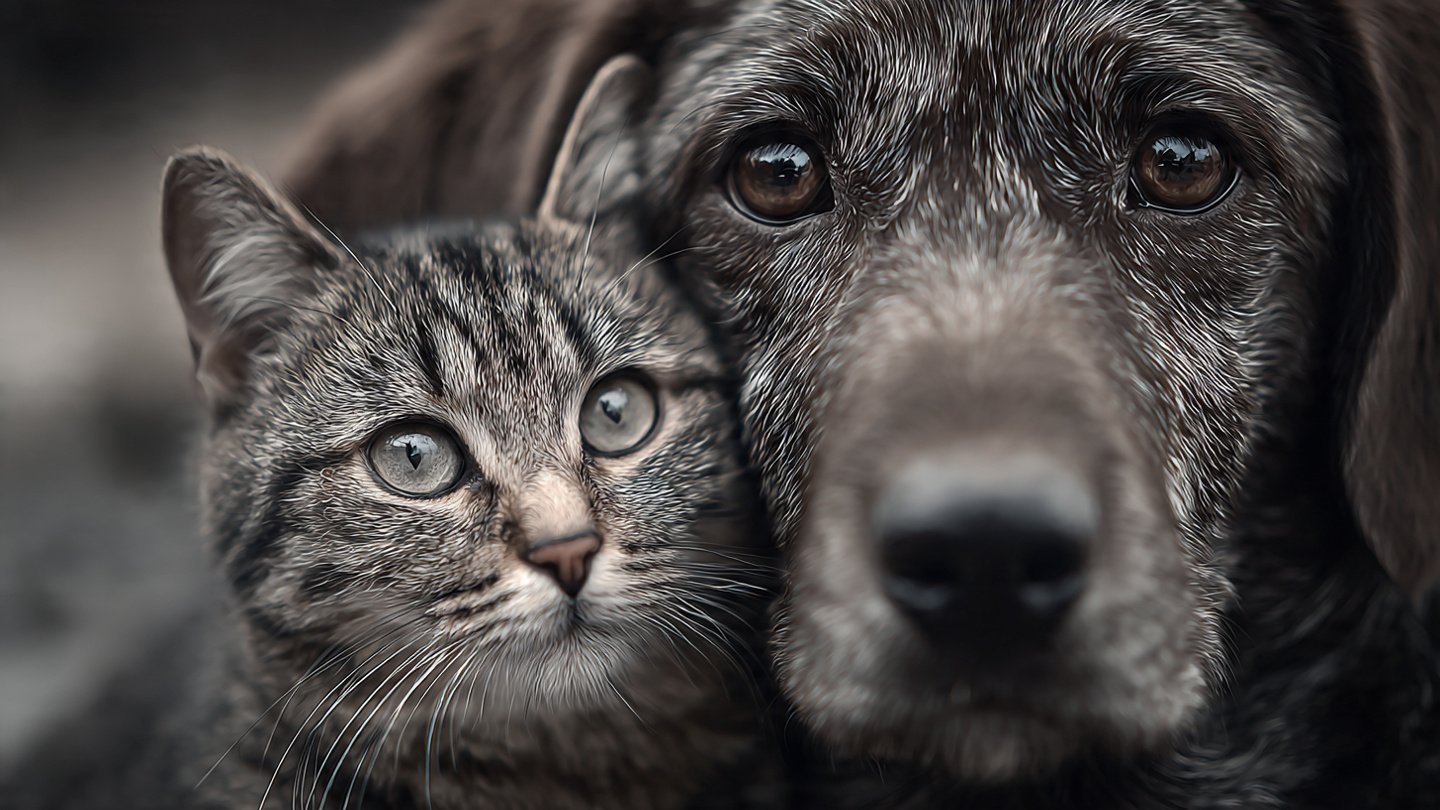
Pet ownership brings joy, companionship, and a unique set of challenges. Among these challenges is understanding emotional responses in our furry friends, particularly jealousy. Pet jealousy might be a perplexing behavior that many pet parents encounter, but grasping the reasons behind it can enhance our relationships with our beloved companions. This article will explore pet jealousy in dogs and cats, its underlying causes, manifestations, and how to manage it effectively.
The Emotional Landscape of Pets
To grasp the concept of jealousy in pets, it’s essential to understand that both dogs and cats are capable of experiencing a range of emotions. Though their emotional lives can differ from humans, pets do have feelings, and a comprehensive understanding of these feelings can give us the insight we need to navigate issues like jealousy.
The Basic Emotions of Dogs and Cats
Research suggests that both dogs and cats possess primary emotions such as joy, fear, anger, and sadness. However, jealousy is thought to involve more complex feelings. It is tied to social relationships and often emerges in response to perceived threats to those relationships, often involving competition for resources, attention, or affection.
The Roots of Jealousy in Pets
1. Evolutionary Background
Both dogs and cats have evolved alongside humans, adapting their behaviors to fit into our households. Dogs, as pack animals, are instinctually driven to seek approval and maintain social bonds. They often view their human companions as part of their pack. Cats, though more solitary by nature, can still form strong attachments and may feel threatened when they perceive a shift in social dynamics.
2. Competition for Resources
At the heart of pet jealousy is competition. Pets often see their home environment as a territory filled with resources, including food, attention, space, and toys. When one pet feels that these resources are being diverted to another—be it a new pet, a change in household dynamics, or even a new human family member—they may become jealous.
3. Attention-Seeking Behavior
Both dogs and cats thrive on attention from their owners. If a pet feels they are no longer the center of attention, they may display signs of jealousy. This could happen with the arrival of a new pet, a baby, or even a change in the owner’s schedule that reduces the time spent with them.
4. Insecurity and Anxiety
Pets that lack confidence or feel insecure in their environment are more likely to display jealousy. If a pet was previously the sole recipient of their owner’s affection, the introduction of another pet can lead to feelings of insecurity and envy, resulting in undesirable behaviors.
Signs of Jealousy in Dogs
1. Attention-Seeking Behavior
When a jealous dog feels ignored, they may engage in attention-seeking behaviors such as barking, whining, or nudging you with their nose. This behavior is designed to bring the focus back on them, especially when they see you interacting with another pet.
2. Aggressive Behavior
In more extreme cases, jealousy can manifest as aggression. A dog may growl, bark, or even snap at another pet that appears to be taking away their attention or resources. It’s essential for pet owners to recognize this behavior early and address the underlying causes.
3. Displacement Behaviors
This includes behaviors that indicate anxiety or agitation, such as pacing, licking lips, or even chewing on furniture. These behaviors can occur when a dog feels overwhelmed by the presence of another pet.
4. Sudden Changes in Behavior
A previously well-behaved dog may begin to exhibit unusual behaviors—like accidents in the house, refusal to eat, or destructive tendencies—if they feel jealous or insecure.
Signs of Jealousy in Cats
1. Aggression Toward Other Pets
Cats are more likely to display their jealousy through aggression. They may swat at or hiss at a new pet, or even bully the other animal if they perceive it as a threat.
2. Litter Box Issues
A cat may start avoiding their litter box or urinating in inappropriate places as a means of expressing their displeasure with their changing environment.
3. Excessive Grooming
Stress-induced grooming can also be a sign of jealousy. If a cat feels insecure due to a new pet, they may over-groom themselves, leading to bald patches and skin issues.
4. Seeking Constant Affection
In response to jealousy, a cat may become more clingy, constantly seeking your attention to regain their place as your favorite.
Managing Pet Jealousy
Understanding why your pet feels jealous is just the first step. Here are some effective strategies to manage jealousy in both dogs and cats:
1. Establish Routine
Pets thrive on routine. Establishing a regular schedule for feeding, exercising, and socializing can help minimize anxiety and feelings of jealousy.
2. Equal Attention
Make a concerted effort to provide equal attention to all pets in your household. Spend individual time with each pet every day to reinforce their sense of security and belonging.
3. Positive Reinforcement
Use positive reinforcement to reward desired behaviors. If a jealous pet is calmly lying next to another pet, reward them with treats and praise. This will help them associate positive experiences with the presence of other animals.
4. Gradual Introductions
When introducing a new pet into your home, do so gradually. Allow both pets to acclimate to one another slowly, ensuring they can each have their own space to retreat to if they feel threatened.
5. Create Separate Spaces
Providing separate areas for each pet can help them feel secure. This can be achieved with distinct beds, food bowls, and litter boxes for cats. It’s important for pets to have their own territory to retreat to.
6. Provide Plenty of Enrichment
Keeping your pets mentally and physically stimulated can alleviate feelings of jealousy. Provide plenty of toys, engage them in playtime, and ensure they have activities to occupy their time.
When to Seek Professional Help
If jealousy escalates into aggressive behavior or significantly disrupts your household, it may be time to consult a veterinarian or animal behaviorist. Professional guidance can help identify any underlying issues and develop a tailored behavior modification plan.
Conclusion
Understanding pet jealousy is crucial for ensuring a harmonious household where both you and your pets can thrive. Recognizing the signs of jealousy and knowing how to manage them can help strengthen the bond between you and your pets. With patience, understanding, and proactive measures, you can create an environment where all members of your furry family feel secure and loved.
In summary, jealousy in pets is a natural emotional response that can manifest in various ways. By educating ourselves about these behaviors, we can create a loving, supportive environment that honors the emotional needs of our dogs and cats—resulting in happier, healthier pets and a more peaceful home.