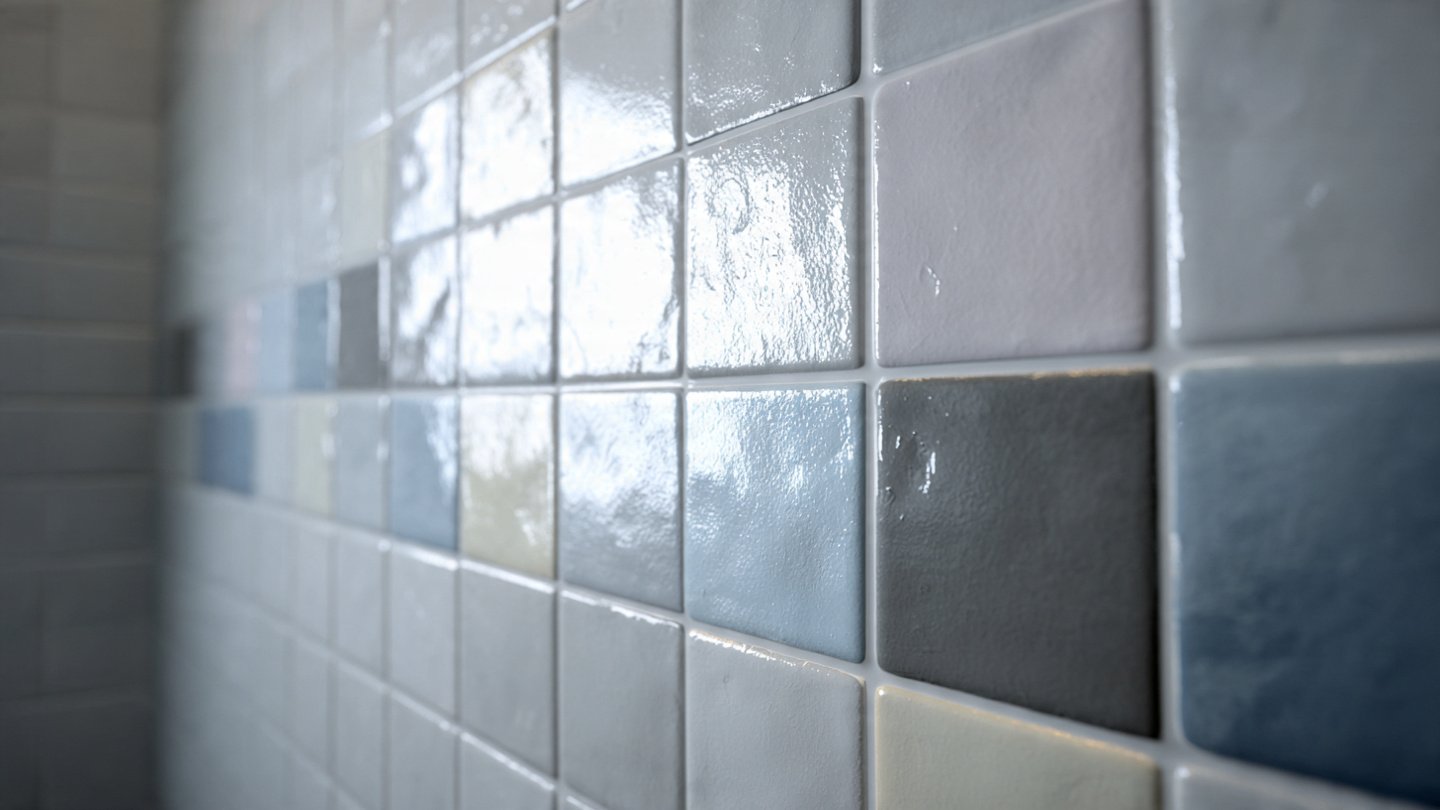
Bathroom tiles are a critical element in any bathroom design, contributing both functionality and aesthetics. However, over time, these tiles may lose their luster, becoming dull and uninviting. Understanding the causes behind this dullness is essential for maintaining the beauty and hygiene of your bathroom. In this article, we will explore the various factors leading to tile dullness, their implications, and practical solutions to restore your tiles to their original shine.
Common Causes of Tile Dullness
1. Hard Water Deposits
Hard water is a common culprit in many households, characterized by high mineral content, particularly calcium and magnesium. Over time, as hard water evaporates on tile surfaces, it leaves behind unsightly mineral deposits. These deposits can make tiles look cloudy and dull, diminishing their overall appearance.
2. Soap Scum Buildup
Soap scum forms when soap combines with minerals in water. This can create a film over your tiles, particularly in the shower area. Over time, soap scum can harden, making it challenging to remove. This residue not only dulls the tiles but can also attract more dirt and grime.
3. Grime and Dirt Accumulation
Regular foot traffic, along with splashes of water and other substances, can lead to grime and dirt buildup on tiles. If left unattended, this accumulation can dull the surface of the tiles, making them appear less vibrant. Regular cleaning and maintenance are crucial to preventing this problem.
4. Improper Cleaning Products
Using harsh chemicals or abrasive cleaning products can inadvertently damage tile surfaces, stripping away their shine and leading to a dull appearance. It’s essential to choose cleaning products that are specifically designed for your type of tile to avoid damaging the finish.
5. Age and Wear
Like any other surface, tiles experience wear and tear over time. The natural aging process can lead to a loss of gloss and sheen, making the tiles look less appealing. This is particularly evident in high-traffic areas where the tiles are frequently used.
6. Lack of Maintenance
Regular maintenance is key to keeping bathroom tiles looking their best. Failure to clean and maintain tiles can lead to a variety of issues, including dullness. Regular cleanings can help prevent the buildup of grime, soap scum, and water deposits that lead to dull tiles.
Solutions to Restore Tile Shine
1. Regular Cleaning
Implement a regular cleaning schedule to ensure tiles are kept free from dirt and grime. Use a gentle, pH-balanced cleaner that is appropriate for your tile type. Avoid harsh chemicals that may cause damage.
2. Vinegar and Baking Soda
For stubborn mineral deposits and soap scum, a mixture of vinegar and baking soda can be quite effective. Create a paste and apply it to the affected areas, letting it sit for a few minutes before scrubbing gently and rinsing with water.
3. Use of Sealants
Applying a sealant can help protect tiles from staining and dullness. Sealants create a barrier that makes it harder for dirt and grime to stick to the tile surface, thus preserving their shine. Reapply the sealant as recommended by the manufacturer for optimal results.
4. Professional Cleaning
If your tiles are severely dulled or stained, consider hiring a professional cleaning service. Professionals have access to specialized cleaning products and equipment that can rejuvenate your tiles effectively.
5. Soft Water Solutions
If hard water is the primary source of your tile dullness, consider installing a water softener. This can help reduce mineral buildup over time, making it easier to maintain your tile surfaces.
6. Appropriate Tile Choices
When selecting tiles for your bathroom, consider materials that are less prone to dullness and staining. For instance, porcelain tiles are often more durable and resist stains better than other types, making them a smart choice for busy bathrooms.
Conclusion
In summary, understanding the causes of bathroom tile dullness is crucial for effective maintenance and restoration. Factors such as hard water deposits, soap scum, grime buildup, improper cleaning methods, and general wear can all contribute to the loss of shine in bathroom tiles. By implementing regular cleaning, using appropriate solutions, and considering professional help when necessary, you can keep your bathroom tiles looking pristine and inviting. Taking proactive measures will not only enhance the aesthetic appeal of your bathroom but also prolong the life of your tiles.
FAQs
1. How often should I clean my bathroom tiles?
It’s advisable to clean your bathroom tiles at least once a week, with more frequent cleanings in high-use areas like the shower.
2. What is the best cleaning solution for bathroom tiles?
A pH-balanced cleaner is typically the best choice. You can also use a mixture of vinegar and water or a gentle baking soda paste for tougher stains.
3. Can I use bleach to clean my tiles?
While bleach can be effective in some cases, it’s essential to use it cautiously as it may damage certain types of tiles or grout. Always follow the manufacturer’s recommendations.
4. Is it necessary to seal my tiles?
Sealing your tiles can prolong their life and maintain their shine, especially in areas prone to moisture and staining. It’s recommended for many tile types, particularly natural stone.
5. When should I consider professional cleaning?
If you notice persistent stains or dulness despite regular cleaning, or if your tiles have accumulated significant grime, it may be time to consider a professional clean.