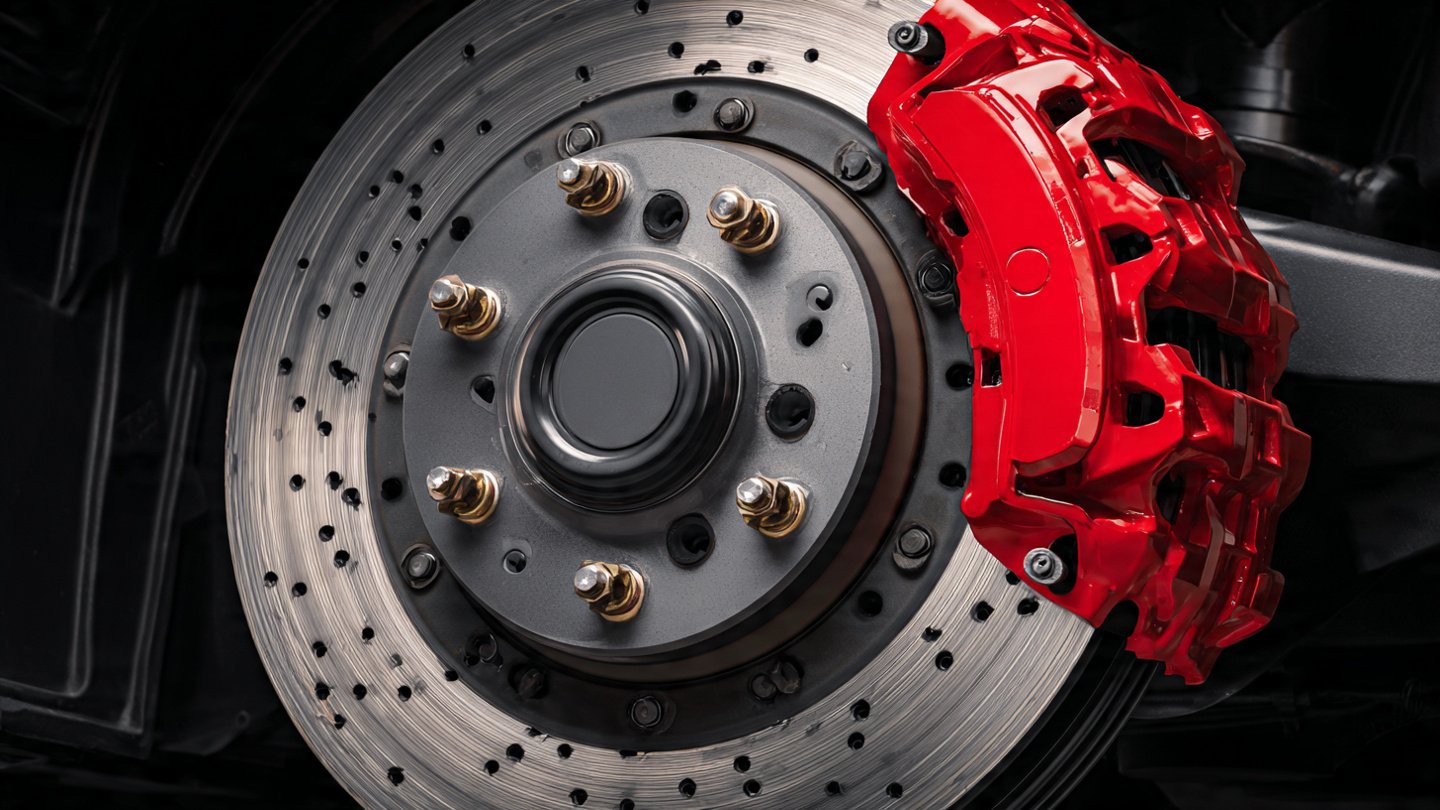
When you step on the brake pedal, the sensation should be one of immediate response and confidence. If you’ve ever experienced a “soft brake feel,” you know how unsettling it can be. Soft brakes may lead to longer stopping distances and can compromise your safety on the road. It’s critical to understand the causes behind this issue, the potential risks involved, and how to address them.
What Is Soft Brake Feel?
A soft brake feel refers to a vague or spongy response when pressing the brake pedal. Instead of a firm, immediate arrest of motion, the pedal may sink further than expected, requiring more effort to achieve the desired braking response. Understanding why this happens is essential for effective vehicle maintenance and safety.
Common Causes of Soft Brake Feel
1. Air in the Brake Lines
One of the most common causes of a soft brake feel is the presence of air in the brake lines. Braking systems are hydraulic, meaning they rely on fluid to transmit force from the pedal to the brake pads. If air gets trapped in the brake lines, it compresses when the pedal is pressed, resulting in a mushy feeling.
Symptoms
- Brake pedal sinks slowly when pressed.
- Inefficient braking response.
Solution
- Bleeding the brakes is a straightforward fix. This process involves removing air from the brake lines to restore the proper hydraulic pressure. Regular brake maintenance can typically prevent this issue.
2. Brake Fluid Issues
Brake fluid can absorb moisture over time, leading to a decrease in performance. The moisture can lower the boiling point of the fluid, causing it to vaporize under high pressure, creating air pockets. This fluid breakdown can also lead to corrosion in brake components.
Symptoms
- Brake pedal firmness varies.
- Brake warning light may illuminate.
Solution
- Regularly check and change the brake fluid according to the manufacturer’s recommendations (typically every two years). Always use the correct type of fluid specified for your vehicle.
3. Worn Brake Pads
Worn-out brake pads can also contribute to a soft brake feel. As brake pads wear, they become less effective at gripping the brake rotor, leading to decreased stopping power.
Symptoms
- High-pitched squealing or grinding noises.
- Increased brake pedal travel.
Solution
- Inspect and replace brake pads as needed. It’s essential to address worn pads promptly to avoid further damage to the braking system, such as rotor damage.
4. Faulty Master Cylinder
The master cylinder is responsible for converting the force from the brake pedal into hydraulic pressure. If the master cylinder is malfunctioning, it may not generate enough pressure, resulting in a soft brake feel.
Symptoms
- Visual leaks around the master cylinder.
- Difficulty maintaining brake pressure.
Solution
- A master cylinder replacement may be necessary if it’s determined to be faulty. This is often a job for a professional mechanic due to the complexity of the system.
5. Brake Line Damage
Damaged or corroded brake lines can lead to fluid leaks, which would create a soft brake feel. Since the braking system operates under high pressure, even a small leak can significantly impact performance.
Symptoms
- Visible fluid leaks under the vehicle.
- A sudden drop in brake effectiveness.
Solution
- Inspect brake lines for signs of wear or damage. Replace any damaged sections immediately to ensure safe stopping power.
6. Brake Rotor Issues
Warped or damaged brake rotors can also cause a spongy feel when braking. When rotors are uneven or worn out, they don’t provide a consistent surface for the brake pads to contact, leading to a soft pedal feel.
Symptoms
- Steering wheel vibrations while braking.
- Uneven braking performance.
Solution
- Resurfacing or replacing rotors may be necessary. Maintaining proper rotor thickness is crucial for effective braking.
7. ABS Issues
Anti-lock Braking System (ABS) problems can also lead to a soft brake feel. ABS helps prevent wheel lock-up during hard braking but can malfunction due to issues like a damaged speed sensor or electrical problems.
Symptoms
- ABS warning light activated.
- Inconsistent braking behavior.
Solution
- A specialist should diagnose and repair ABS issues as they require specific tools and expertise.
Other Contributing Factors
8. Wrong Brake Components
Using the wrong brake pads, fluid, or other components can impact the braking system’s performance. Each vehicle is designed to work with specific components; using substandard or incompatible parts can lead to soft braking.
Symptoms
- Ineffective braking.
- Unusual noises from the brakes.
Solution
- Make sure to use OEM (Original Equipment Manufacturer) parts. While aftermarket parts can be less expensive, they may not provide the same level of performance and safety.
9. Temperature Effects
Brake systems can be sensitive to temperature fluctuations. Overheating from extended braking, such as during mountain driving, can cause brake fade, reducing effectiveness and potentially leading to a spongy feel.
Symptoms
- Soft brake feel after prolonged braking.
- Burnt smell from brakes.
Solution
- Allow brakes to cool down between heavy use. Consider upgrading to higher-performance brake pads for better heat resistance if you frequently drive in extreme conditions.
Importance of Timely Diagnosis
Ignoring a soft brake feel can lead to serious safety risks. If the braking system is compromised, you could increase your stopping distance, which can be dangerous in emergency situations.
Regular Maintenance
Routine checks and maintenance of your vehicle’s braking system can catch small issues before they become significant problems. Regular inspections will help identify worn pads, low fluid levels, and any signs of leaks or damage.
Recommended Maintenance Schedule
- Fluid replacement: Every two years.
- Brake pad replacement: Every 30,000–70,000 miles, depending on driving habits.
- Rotor inspection: At each brake pad change or whenever a soft pedal is felt.
Conclusion
Understanding the causes of soft brake feel can significantly enhance your vehicle’s safety. From air bubbles in the brake lines to worn-out brake pads, the potential issues are varied. Diagnosing and addressing these problems promptly through regular maintenance is crucial. If you experience a soft feeling in your brakes, don’t hesitate to consult a professional mechanic. Prioritize your safety by ensuring your braking system is always in optimal condition. A firm and responsive brake pedal is not just a comfort—it’s a necessity for a safe driving experience.