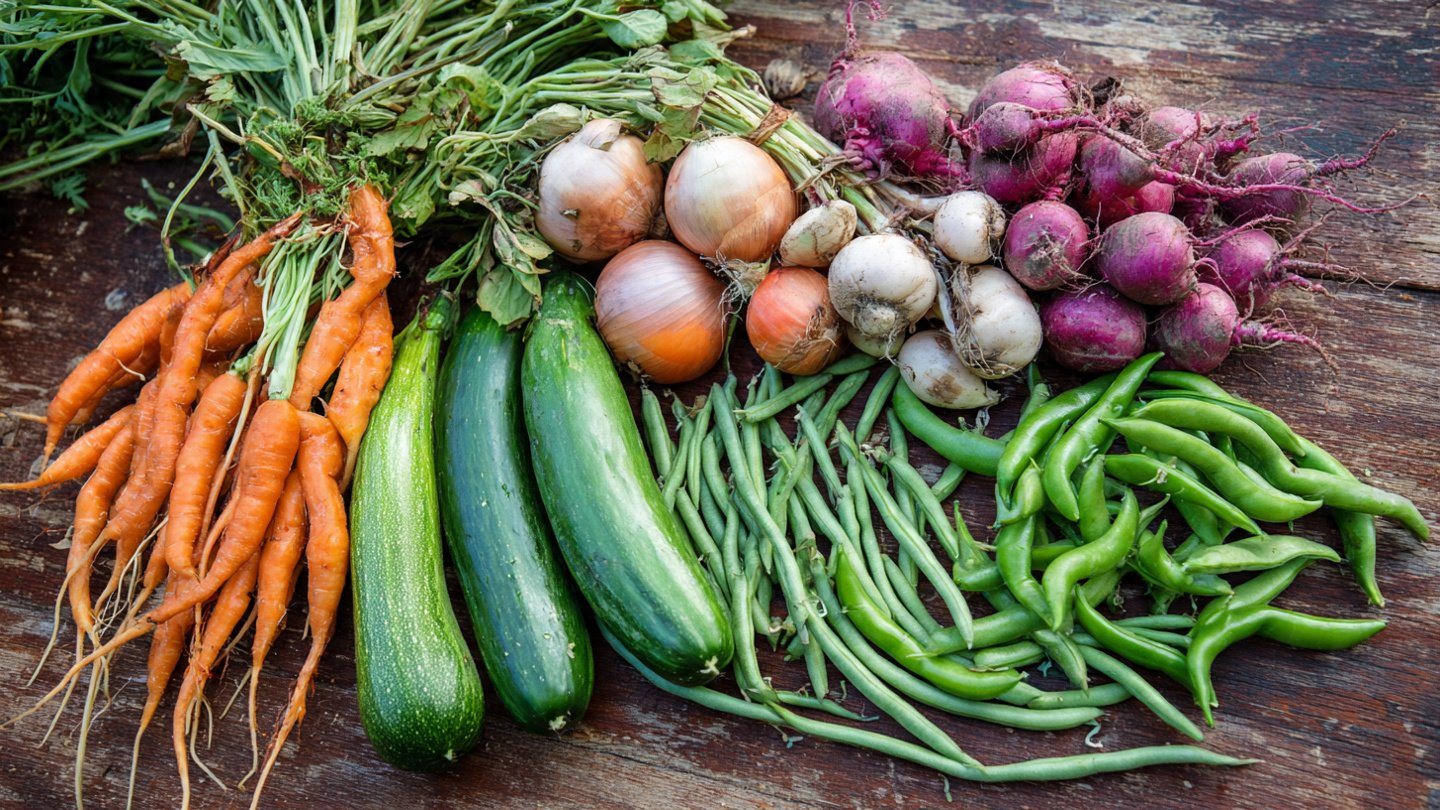
Growing a kitchen garden can be a rewarding endeavor, providing both fresh produce and a therapeutic escape from the hustle and bustle of daily life. However, it can also lead to feelings of disappointment when the harvest doesn’t meet expectations. In this article, we’ll explore the reasons behind kitchen garden disappointments, discuss how to manage expectations, and offer tips for improving your gardening experience.
The Allure of Kitchen Gardening
Kitchen gardening, or growing fruits, vegetables, and herbs in your own backyard, has gained popularity for various reasons. Homegrown produce is not only fresher and more flavorful but also allows gardeners to take control over their food sources. The act of nurturing plants fosters a connection with nature, and for many, it becomes a passion project. Yet, for all its joys, gardening is often accompanied by challenges.
Setting the Stage: Why Expectations Matter
When starting a kitchen garden, expectations can be sky-high. Social media showcases bountiful harvests, perfectly ripe tomatoes, and lush greens. It’s easy to imagine your garden yielding similar results. However, reality often paints a different picture. Weather conditions fluctuate, pests invade, and diseases can wreak havoc on your plants. This disconnect between expectation and reality can lead to feelings of disappointment and frustration.
Common Reasons for Disappointment
1. Poor Soil Quality
Soil health is the foundation of any successful garden. Poor soil quality can stem from a lack of nutrients, poor drainage, or compaction. If soil lacks essential nutrients, plants may struggle to grow and produce fruit. Testing your soil before planting helps determine its pH level and nutrient content, allowing for appropriate amendments.
2. Inadequate Watering Practices
Watering is essential for plant health, but finding the right balance is crucial. Overwatering can drown roots, promoting root rot, while underwatering can lead to dehydration and stunted growth. Establishing a consistent watering routine and understanding your plants’ specific needs can make a significant difference.
3. Weather Conditions
Outdoor gardening is heavily influenced by weather conditions. Unexpected frosts, heat waves, or prolonged rain can stress plants and affect their growth. While you can’t control the weather, staying informed about local forecasts and understanding your region’s climate can help mitigate these effects.
4. Pest and Disease Issues
Insects and diseases can undermine months of hard work. Common garden pests like aphids and caterpillars can quickly ravage plants if not managed effectively. Additionally, diseases like powdery mildew or blight can spread rapidly under the right conditions. Regular monitoring, early detection, and integrated pest management strategies are vital to maintaining plant health.
5. Improper Plant Selection
Choosing the right plants for your climate, soil, and gardening skills is crucial. Some plants are more resilient and easier to grow than others. Selecting hybrid varieties or heirlooms suited to your region increases the chances of a successful harvest. It’s also essential to consider the growing season and ensure that you plant at the right time.
6. Lack of Space and Resources
Space constraints can limit gardening efforts. Overcrowded plants compete for nutrients and growing space, leading to subpar results. Additionally, inadequate access to sunlight can hinder growth. Assess your available space, and choose plants that can thrive within those limitations.
Managing Expectations
To navigate the disappointments of kitchen gardening, it’s essential to manage your expectations effectively. Understanding that gardening is a learning process can alleviate some frustrations. Here are some strategies to help:
1. Set Realistic Goals
Instead of aiming for a perfect garden, set achievable goals. For example, instead of expecting a bumper crop of tomatoes, aim to grow a few plants successfully. Celebrate small victories; even a handful of fresh herbs can bring joy and satisfaction.
2. Embrace the Learning Curve
Gardening is as much about learning as it is about harvesting. Each season brings new challenges and opportunities for growth. Embrace mistakes as learning experiences rather than as failures. Document your successes and failures in a gardening journal to track progress and adjust your strategies.
3. Share Your Journey
Connecting with fellow gardeners can bring support and encouragement. Join community gardening groups or online forums where you can share your experiences, learn from others, and celebrate each other’s successes. Understanding that others face similar challenges can provide comfort and motivation.
4. Focus on the Process
Shift your focus from the final harvest to the gardening process itself. Enjoy the meditative act of tending to your plants, the joy of watching them grow, and the simple pleasures of being outdoors. This perspective makes the experience more fulfilling, regardless of the harvest outcome.
Enhancing Your Gardening Experience
If you find yourself facing disappointment in your kitchen garden harvest, here are some practical tips to improve future experiences:
1. Invest in Soil Health
Healthy soil is the backbone of a thriving garden. Start by conducting soil tests to determine pH and nutrient levels. Incorporate organic matter, such as compost or well-rotted manure, to improve soil structure, water retention, and nutrient availability.
2. Choose the Right Varieties
Select plants suited to your specific climate and gardening skills. Research varieties that are known to perform well in your area. Look for disease-resistant options and consult local extension services for recommendations.
3. Implement Crop Rotation
Crop rotation helps prevent soil depletion and reduces pest and disease issues. By alternating plant families in different locations each year, you can maintain soil nutrient levels and minimize the buildup of pests and pathogens.
4. Practice Integrated Pest Management (IPM)
IPM involves combining cultural, biological, and chemical methods to manage pests effectively. Promote beneficial insects, such as ladybugs, that can naturally reduce pest populations. Consider using organic pest control methods when necessary.
5. Use Companion Planting
Companion planting involves growing certain plants together to enhance growth and deter pests. For instance, planting marigolds alongside vegetables can repel unwanted insects. Research companion planting strategies that work well with your chosen crops.
6. Invest in Proper Tools
Investing in good gardening tools can facilitate better growing conditions. High-quality tools, including trowels, pruners, and watering systems, can enhance your gardening efficiency and lead to better outcomes.
7. Create a Schedule
Gardening requires commitment and regular attention. Create a gardening schedule that includes planting, watering, fertilizing, and pest monitoring tasks. Staying organized can help you stay on top of your garden’s needs.
Celebrating Successes
Ultimately, the goal of a kitchen garden is to enjoy fresh produce and the fulfillment of growing your own food. Even when disappointments arise, focus on celebrating those moments of success. Whether you’re harvesting your first ripe tomato, enjoying your homegrown herbs, or sharing your bounty with friends and family, these accomplishments are what make gardening worthwhile.
Conclusion
The disappointment of a kitchen garden harvest can be disheartening, but it is also an opportunity for growth—both for your plants and for you as a gardener. By understanding the factors that contribute to gardening challenges, managing expectations, and implementing best practices, you can enhance your chances of success in future growing seasons. Gardening is a journey filled with lessons, challenges, and rewards; embrace it with an open heart, and you’ll grow not only produce but also wisdom and resilience.