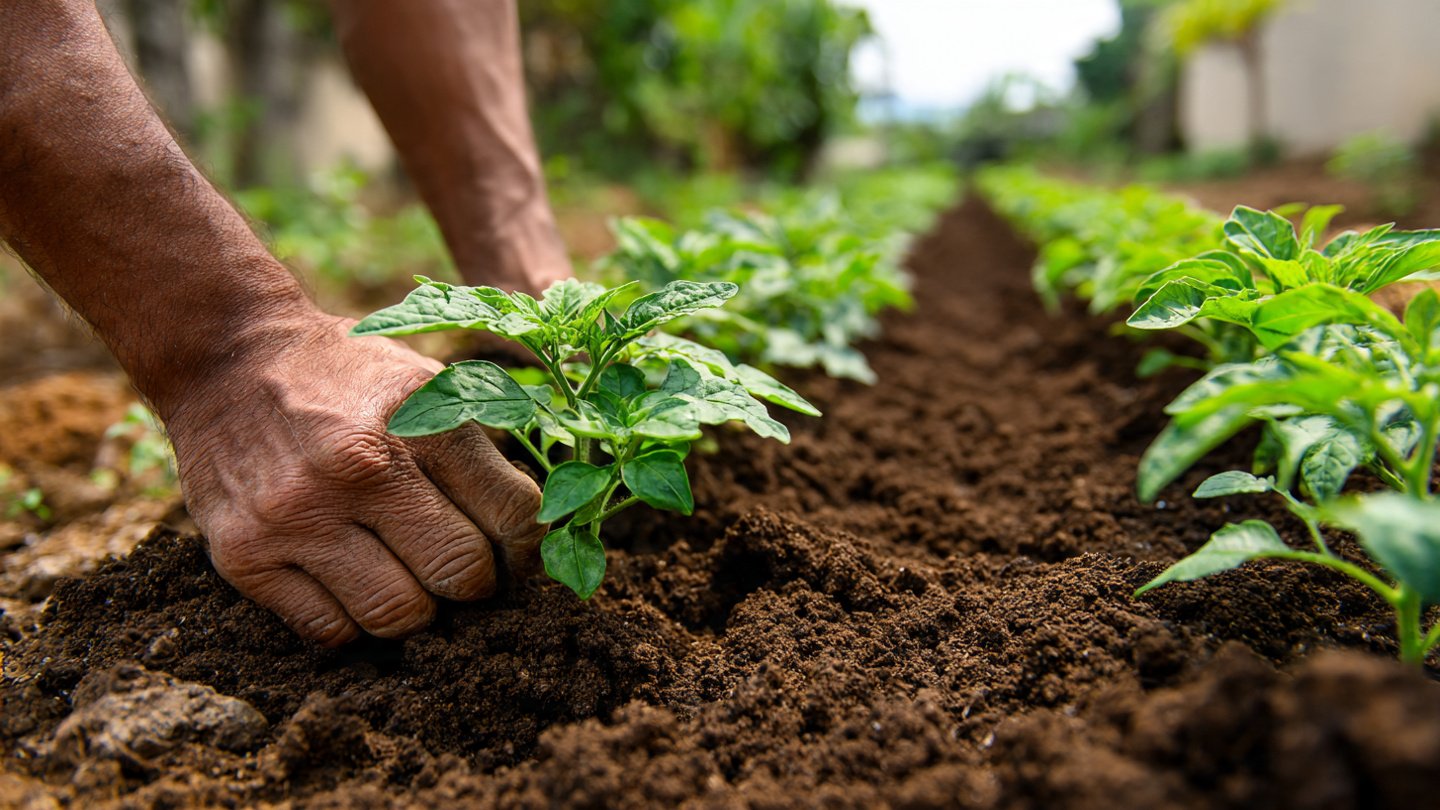
Creating a successful kitchen garden begins with understanding the soil in which you plan to cultivate your plants. One of the most common challenges gardeners face is soil compaction, which can significantly affect the health and productivity of the garden. This article will delve into the reasons behind easy compaction of kitchen garden soil, exploring the physical, chemical, and biological factors at play.
1. What is Soil Compaction?
Soil compaction occurs when soil particles are pressed together, reducing pore space, which limits the movement of air, water, and nutrients. It often leads to a dense, heavy soil structure that can inhibit root growth, water infiltration, and overall plant health. In kitchen gardens, where the goal is to produce healthy vegetables and herbs, compaction can be particularly detrimental.
2. Understanding Soil Composition
The first step in understanding compaction is recognizing the composition of soil, which consists of:
- Mineral Particles: These include sand, silt, and clay. Each type has different properties that affect compaction. For instance, clay soils compact easily due to their fine particles.
- Organic Matter: This includes decomposed plant and animal material, which enhances soil structure and water-holding capacity. Soils lacking organic matter are more prone to compaction.
- Air and Water: Healthy soils contain a balance of air pockets and moisture. When compaction occurs, this balance is disrupted.
2.1 Soil Texture and Its Role in Compaction
Soil texture refers to the size distribution of mineral particles. It plays a crucial role in susceptibility to compaction:
- Clay Soils: Capable of holding water and nutrients but compact easily due to their fine particles.
- Sandy Soils: Allow for good drainage but may not hold nutrients well.
- Loamy Soils: Combinations of sand, silt, and clay are ideal for garden growth, but even loamy soils can become compacted under specific conditions.
3. Physical Factors Contributing to Compaction
Several physical factors contribute to soil compaction:
3.1 Water Content
Soil moisture content significantly influences compaction. Wet soils are more susceptible to compaction because water acts as a lubricant between particles. When pressure is applied, the particles are pushed closer together, resulting in tighter packing. Conversely, dry soils are less likely to compact because the particles are more rigid and less mobile.
3.2 Traffic and Load
Frequent foot traffic, machinery, or heavy garden tools can compress soil over time. In small kitchen gardens, the concentration of paths and work areas can lead to localized compaction, particularly if the area is repeatedly walked on. To mitigate this:
- Create Designated Paths: Limit foot traffic to specific areas.
- Use Elevated Beds: Raised beds can reduce the need for walking through soil.
3.3 Soil Structure
Soils that lack structure and aggregate formation are more prone to compaction. Aggregates are clumps formed by soil particles binding together, aided by organic matter and microbial activity. Healthy, structured soil resists compaction better than unstructured soil.
4. Chemical Factors Contributing to Compaction
4.1 Soil pH
The pH level of your soil affects nutrient availability and microbial activity. Extremely acidic or alkaline soils can limit the growth of beneficial microorganisms that help bind soil particles into aggregates, making compaction easier.
4.2 Nutrient Deficiency
Soil that lacks essential nutrients, like calcium, can become compacted. Calcium helps improve soil structure by promoting aggregation. A deficiency in nutrients often leads to poor physical structure and enhanced compaction risks.
5. Biological Factors Influencing Compaction
5.1 Organic Matter Content
Organic matter is crucial for maintaining soil health. It helps improve soil structure, aeration, drainage, and nutrient-holding capacity. Soils low in organic content are more prone to compaction. To improve organic matter levels:
- Amend Soil with Compost: Regularly adding compost encourages beneficial microbes and increases organic content.
- Plant Cover Crops: Growing cover crops during off-seasons enhances organic matter and prevents erosion.
5.2 Microbial Activity
Soil microorganisms play a vital role in maintaining soil structure. They help decompose organic matter and create glues (polysaccharides) that bind soil particles into aggregates. A decline in microbial populations, often due to pesticide use or toxic conditions, can lead to increased compaction.
5.3 Soil Fauna
Earthworms and other soil fauna contribute to soil health by aerating and aggregating soil particles. Their activity creates channels for air and water, which can significantly lessen compaction. Promoting a diverse soil ecosystem is essential for preventing compaction.
6. Preventing Soil Compaction in Kitchen Gardens
Preventing soil compaction is crucial for the long-term health of your kitchen garden. Here are strategies for maintaining loose, productive soil:
6.1 Crop Rotation
Rotating crops can minimize soil disturbance and enhance soil structure. Different plants contribute various root structures and organic material as they grow and decompose.
6.2 Mulching
Applying organic mulch, such as straw or wood chips, protects the soil from rain impact, reduces erosion, and retains moisture. It also encourages microbial activity in the top layer of the soil.
6.3 Aeration
Aerating your soil can relieve compaction. Simple methods include using a garden fork to puncture holes in the soil or investing in mechanical aerators designed for small gardens.
6.4 No-Till Practices
Reducing tillage minimizes soil disturbance and helps preserve soil structure. Instead of turning the soil, consider planting directly into undisturbed soil and adding amendments on the surface.
7. Identifying Compaction Issues
Recognizing compaction in your kitchen garden is essential. Indicators include:
- Poor Drainage: Water pooling on the soil surface.
- Stunted Growth: Plants that struggle to grow or produce smaller yields.
- Cracked Soil Surface: Drier soils might show signs of cracks due to pressure.
Regularly assessing soil conditions and addressing compaction issues beforehand will help create a more fruitful garden.
8. Conclusion
Understanding the factors contributing to easy compaction of kitchen garden soil is crucial for any aspiring gardener. Physical, chemical, and biological elements all play a role in how soil behaves and responds to cultivation practices. By recognizing and manipulating these factors, gardeners can develop strategies to maintain soil health, improve crop yield, and ultimately enjoy a thriving kitchen garden.
By committing to practices that mitigate compaction—such as enhancing organic matter content, implementing crop rotations, and minimizing foot traffic—gardeners can foster a more resilient and productive soil ecosystem. A holistic approach to soil management not only enhances plant health but also contributes to environmental sustainability, ensuring your garden thrives for years to come.