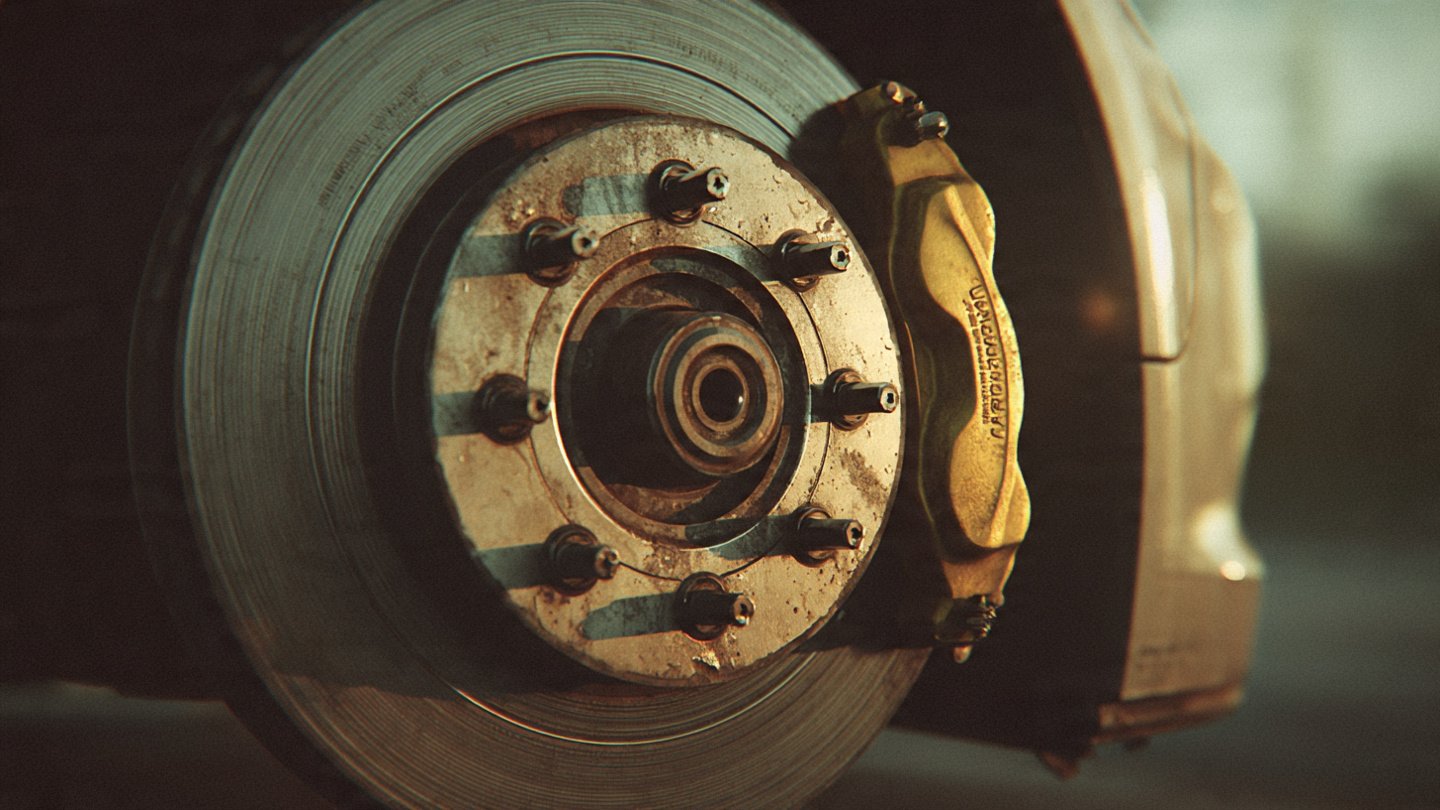
Car brakes are one of the most critical components of any vehicle, ensuring safety through effective stopping power. However, many drivers encounter a situation where their brakes feel “soft,” leading to an uncomfortable and potentially unsafe driving experience. This article delves deep into why car brakes can feel soft, the implications of this condition, and what steps can be taken to address the issue.
What Does “Soft Brakes” Mean?
When drivers refer to “soft brakes,” they typically describe a condition where pressing the brake pedal does not yield the expected resistance. Instead of a firm, responsive feel, the pedal may travel further toward the floor without an adequate deceleration effect. This sensation can create anxiety, making drivers feel less in control, especially in emergency situations.
Common Causes of Soft Brake Feel
1. Air in the Brake Lines
One of the most common reasons for soft brakes is the presence of air in the brake lines. Brake systems work on a hydraulic principle, using fluid to transmit force from the brake pedal to the brake components. If air enters this system, it can compress and create a spongy feeling when the brake pedal is pressed.
Symptoms of Air in the Brake Lines:
- A soft or spongy brake pedal that sinks all the way to the floor.
- Ineffective braking, with longer stopping distances.
2. Brake Fluid Issues
Brake fluid is crucial for the functioning of the braking system, and any issues regarding its quality or quantity can lead to soft brakes.
Common Brake Fluid Problems:
- Low Brake Fluid Levels: This might signify a leak in the system, leading to decreased hydraulic pressure.
- Old or Contaminated Brake Fluid: Over time, brake fluid can absorb moisture, which causes it to become less effective at transmitting force.
3. Worn Brake Components
Worn-out brake components, such as pads, rotors, and calipers, can compromise braking power.
Indicators of Worn Components:
- A grinding noise when braking, signaling that pads need replacement.
- Vibration or pulsation when applying the brakes due to warped rotors.
4. Faulty Master Cylinder
The master cylinder is responsible for generating hydraulic pressure in the braking system. If it fails, it may not effectively pressurize the brake fluid, leading to a soft pedal feel.
Signs of a Malfunctioning Master Cylinder:
- Brake fluid leaks around the master cylinder.
- A soft brake pedal that slowly sinks when pressed.
5. Brake Lines and Hoses
Deteriorating brake lines or hoses can also contribute to soft brakes. Steel brake lines can corrode, while rubber hoses can deteriorate over time due to heat, pressure, and exposure to various elements.
Symptoms:
- Visual inspection might reveal bulges, cracks, or leaks.
- Brake fluid leaks may create puddles under the vehicle.
6. ABS Malfunctions
Vehicles equipped with Anti-lock Braking Systems (ABS) may experience brake feel issues if there’s a malfunction. A faulty ABS module can cause a soft pedal feel, as the system may not engage correctly.
Signs of ABS Issues:
- Warning lights on the dashboard indicating an ABS failure.
- Inconsistent brake response, particularly during heavy braking.
Implications of Soft Brakes
Driving a vehicle with soft brakes is not just uncomfortable; it can be outright dangerous. The inability to stop the vehicle effectively can lead to collisions, increased stopping distances, and overall loss of control. It’s paramount to treat any signs of soft brakes with urgency.
What to Do If Your Brakes Feel Soft
If you experience a soft brake pedal, follow these steps to diagnose and remedy the issue.
1. Immediate Inspection
-
Check Brake Fluid Levels: Begin by checking the brake fluid reservoir, typically located near the back of the engine bay. If the level is low, top it off with the manufacturer-recommended fluid.
-
Look for Leaks: Inspect the area around the brake lines and master cylinder for any leaks or pooling fluid.
2. Bleed the Brake Lines
If air is suspected in the brake lines, bleeding the system is essential. This process involves releasing air bubbles that may have entered the hydraulic system.
Steps to Bleed Brakes:
- Gather Materials: You’ll need brake fluid, a wrench, and a clear container.
- Locate Bleed Valves: Find the bleed valve on each brake caliper.
- Start at the Farthest Wheel: Begin with the wheel furthest from the master cylinder (typically the rear passenger side).
- Pump the Brake Pedal: Have an assistant pump the brake pedal a few times and hold it down.
- Open the Bleed Valve: Use the wrench to open the bleed valve. Watch for fluid and air bubbles in the container. Close the valve before your assistant releases the brake pedal.
- Repeat: Continue the process until all air is expelled, then move to the next wheel.
3. Inspect and Replace Worn Components
If brakes feel soft despite adequate fluid levels and no air in lines, inspect the brake pads, rotors, and calipers for wear.
- Replace Worn Brake Pads: If they are below the manufacturer’s specifications, replace them.
- Check Rotors for Warping: If they are warped, they must either be resurfaced or replaced.
4. Check Master Cylinder and Brake Lines
If the problem persists after bleeding the brakes and inspecting components, evaluate the master cylinder and brake lines.
- Inspect the Master Cylinder: If leaking, it likely needs replacement.
- Inspect Brake Lines: Look for corrosion, bulges, and cracks.
5. Consult a Professional
If troubleshooting doesn’t resolve the issue or if you’re uncomfortable performing any of the steps, seek help from a certified mechanic. Expertise can save time and ensure safety.
6. Regular Maintenance
Preventative measures are vital in avoiding soft brake issues. Regularly inspect your braking system, including fluid levels and component conditions, to detect problems early.
- Fluid Replacement: Change brake fluid every 2-3 years to prevent moisture buildup.
- Routine Inspections: Have your brakes inspected at regular intervals to ensure optimal performance.
Conclusion
Soft brakes can significantly compromise your vehicle’s safety, leading to longer stopping distances and a lack of control. Understanding the underlying causes—ranging from air in the brake lines to worn components—can aid in diagnosing the issue effectively. Regular maintenance and prompt attention to brake problems can save you from dangerous situations on the road. Prioritize your vehicle’s braking system; your safety and that of others depend on it. If in doubt, consulting a professional can ensure that your braking system operates effectively and reliably.