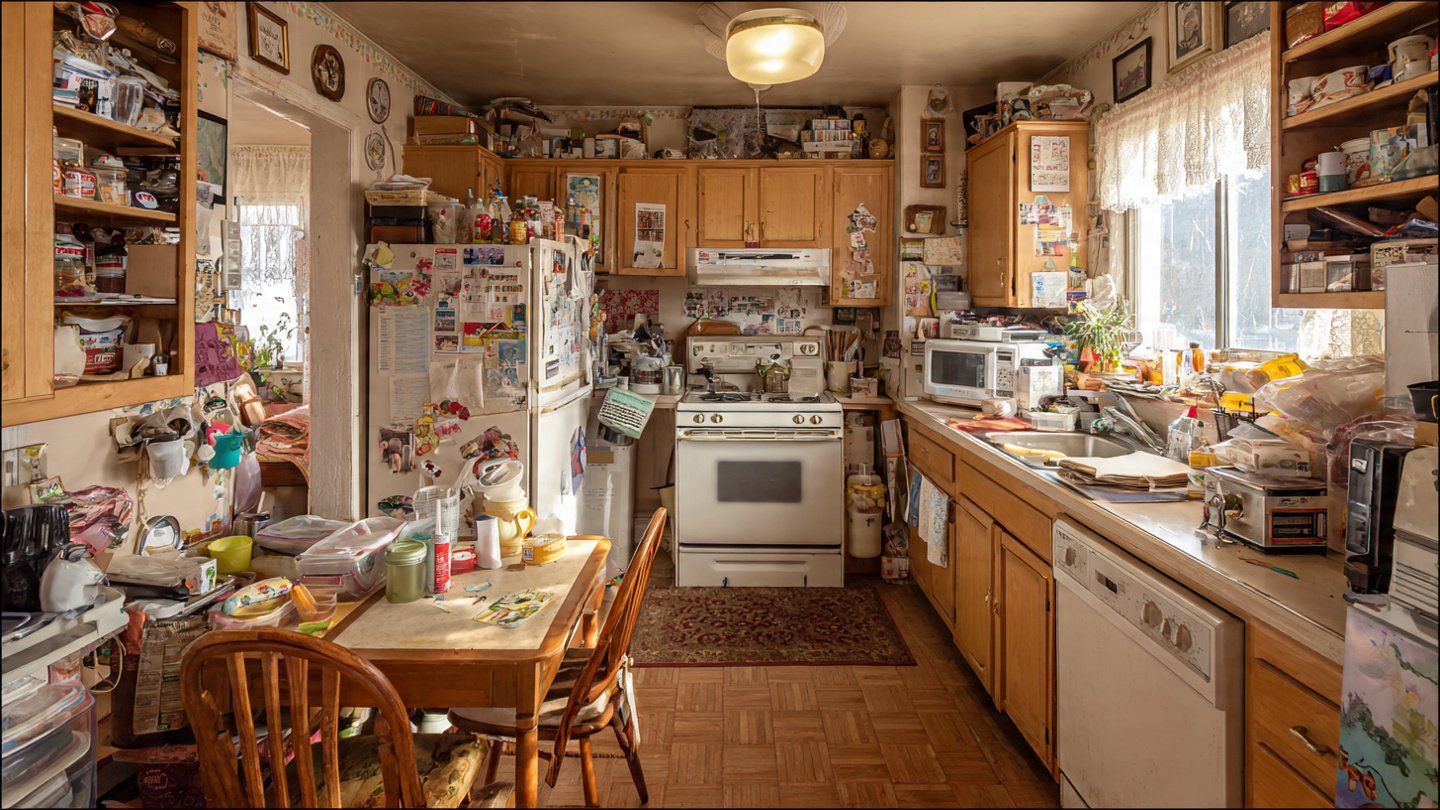
In modern living, the kitchen is often referred to as the heart of the home. It is where meals are prepared, family gatherings take place, and memories are created. However, for many, the kitchen can also become a source of stress and chaos. Kitchen clutter is not just about disorganization; it represents deeper issues related to lifestyle, emotional attachment, and the pressures of daily life. Understanding why kitchen clutter feels overwhelming can help in creating a more peaceful and functional space.
The Nature of Kitchen Clutter
Types of Clutter
Kitchen clutter comes in various forms, including:
- Physical Clutter: This includes unused appliances, expired food items, and an excess of utensils.
- Emotional Clutter: Items that remind one of past relationships or experiences, such as gifts from loved ones or souvenirs from trips.
- Digital Clutter: Recipe files, shopping lists, and overly complex meal-planning strategies that can add to the sense of chaos.
Each type contributes to an overwhelming feeling, but it’s crucial to understand why these feelings arise in the first place.
The Psychological Impact of Clutter
Cognitive Overload
Cognitive overload occurs when there is too much information or stimuli for the brain to process, leading to feelings of anxiety and frustration. In a cluttered kitchen, the eye is constantly drawn to disarray and chaos, making it difficult to focus. This overload can make even basic tasks feel monumental, such as cooking a simple dinner or finding ingredients for a recipe. When the mind is cluttered, functional decision-making becomes impaired, which can lead to avoidance tactics like fast food or takeout, perpetuating a cycle of stress.
Perfectionism and Comparison
In today’s digital age, social media often portrays idealized versions of home life. Cookbooks and Instagram feeds depict flawless kitchens, which can lead to feelings of inadequacy when one compares their own space to these standards. This comparison triggers perfectionism, making individuals feel as though their cluttered kitchen is a reflection of personal failure. The pressure to maintain an immaculate kitchen creates an internal conflict between the desire for practicality and the pursuit of unattainable perfection.
Emotional Attachment and Sentimentality
Kitchens often harbor memories and emotional connections. Items that have sentimental value can contribute to clutter as people find it hard to let go of them. For example, a dish set inherited from a grandparent may take up space even if it is rarely used. The emotional weight attached to these items can become overwhelming, leading to a sense of guilt over discarding them. This emotional clutter can paralyze an individual’s ability to declutter, making the kitchen feel like a storehouse of unfulfilled emotional ties.
The Role of Lifestyle Factors
Busy Schedules
In today’s fast-paced world, time constraints can exacerbate kitchen clutter. With busy schedules filled with work, family, and social obligations, many individuals prioritize convenience over organization. This often results in food delivery, ready-made meals, and hasty cooking sessions where cleaning up is an afterthought. Clutter builds up as items are returned to shelves haphazardly, leaving a disorganized space that feels too overwhelming to tackle during rare moments at home.
Lack of Efficient Systems
A well-organized kitchen requires efficient systems for storage and organization. When such systems are lacking, the result is an environment that amplifies disarray. For instance, if there are no designated places for important items, such as cooking utensils or spices, people may find themselves repeating the cycle of clutter as they often resort to dropping things wherever space allows. Ideally, a kitchen should operate like a well-oiled machine; without this, stress and frustration reign supreme.
Family Dynamics
In family-oriented households, the kitchen becomes a communal space where different individuals interact. Each person’s habits and preferences contribute to kitchen clutter. Balancing these varying styles can be challenging. For instance, children may not understand the importance of cleanliness and may contribute to mess without ill intent. Similarly, differing organizational styles between partners can lead to conflict, further complicating the emotional landscape of the kitchen.
Societal Pressures
The Rise of Minimalism
In recent years, minimalism has emerged as a lifestyle choice that contrasts sharply with clutter. While minimalism promotes the idea of living with less, it can unintentionally increase feelings of inadequacy for those who struggle to maintain a clutter-free kitchen. The societal pressure to adopt minimalism can create unrealistic expectations, making those who are unable to downsize feel like they are failing.
Consumerism and Marketing
The modern consumer culture pushes individuals towards excessive purchasing of kitchen gadgets, utensils, and decorative items. Advertisements often entice consumers with images of perfectly curated kitchens filled with the latest gadgets. This constant barrage can result in collecting unnecessary items that ultimately contribute to clutter, undermining the sense of peace in the space.
The Emotional Cycle of Clutter
Avoidance and Procrastination
The overwhelming nature of clutter can lead to avoidance. When faced with a disorganized space, the initial reaction may be to procrastinate tackling the mess, opting instead for instant gratification through takeout or pre-packaged meals. This avoidance reinforces the clutter as time passes, creating a negative feedback loop where the kitchen feels less inviting and more daunting.
Guilt and Shame
As clutter accumulates, feelings of guilt and shame often set in. When cooking becomes stressful and chaotic, the joy and creativity once found in the kitchen can be extinguished. This emotional toll can create a cycle where individuals find solace in convenience over home-cooked meals, only to feel regret afterward. The cycle is self-perpetuating: feeling guilty about clutter leads to avoidance, which leads to more clutter, and so on.
Strategies for Managing Kitchen Clutter
Step-by-Step Decluttering
To combat the overwhelming feelings tied to clutter, individuals can approach decluttering in a step-by-step manner. Setting aside time each week to tackle one area—be it a drawer, a cabinet, or the countertop—can transform the process from a daunting task into manageable goals. Gradual decluttering alleviates feelings of being overwhelmed and also reveals the benefits of a more organized kitchen.
Create Efficient Systems
Implementing storage solutions that make sense for daily use is key. Labeling containers, organizing utensils, and having designated places for frequently used items can streamline kitchen workflow. Consider investing in storage bins, drawer organizers, or even digital recipe managers to maintain efficiency.
Mindful Consumption
Before buying new kitchen gadgets or utensils, consider their necessity. Adopting a “one-in, one-out” rule can help limit accumulation. For instance, if a new blender is purchased, an old one should be donated or discarded. Mindful consumption can foster a more intentional approach to clutter management.
Emotional Detachment
It’s important to cultivate emotional detachment from kitchen items. Reflecting on whether an item is genuinely useful or merely tied to sentimentality can help. Journaling about each item’s significance or allowing oneself to let go of items (such as by giving them to friends or donating them) can ease the emotional burden linked to clutter.
Conclusion
Kitchen clutter reflects dynamic interactions between psychological, lifestyle, and societal factors. It can serve as a mirror to deeper emotional struggles while also being a physical manifestation of disorganized living. However, recognizing the overwhelming nature of this clutter can be the first step toward positive change. By addressing the root causes—such as cognitive overload, societal expectations, and emotional attachments—individuals can reclaim control of their kitchen spaces.
As we take the steps to declutter, we not only create functional spaces but also foster a sense of peace and joy in one of the most vital areas of our home. Ultimately, an organized kitchen can cultivate a sense of serenity, allowing for creativity, experimentation, and, most importantly, togetherness.