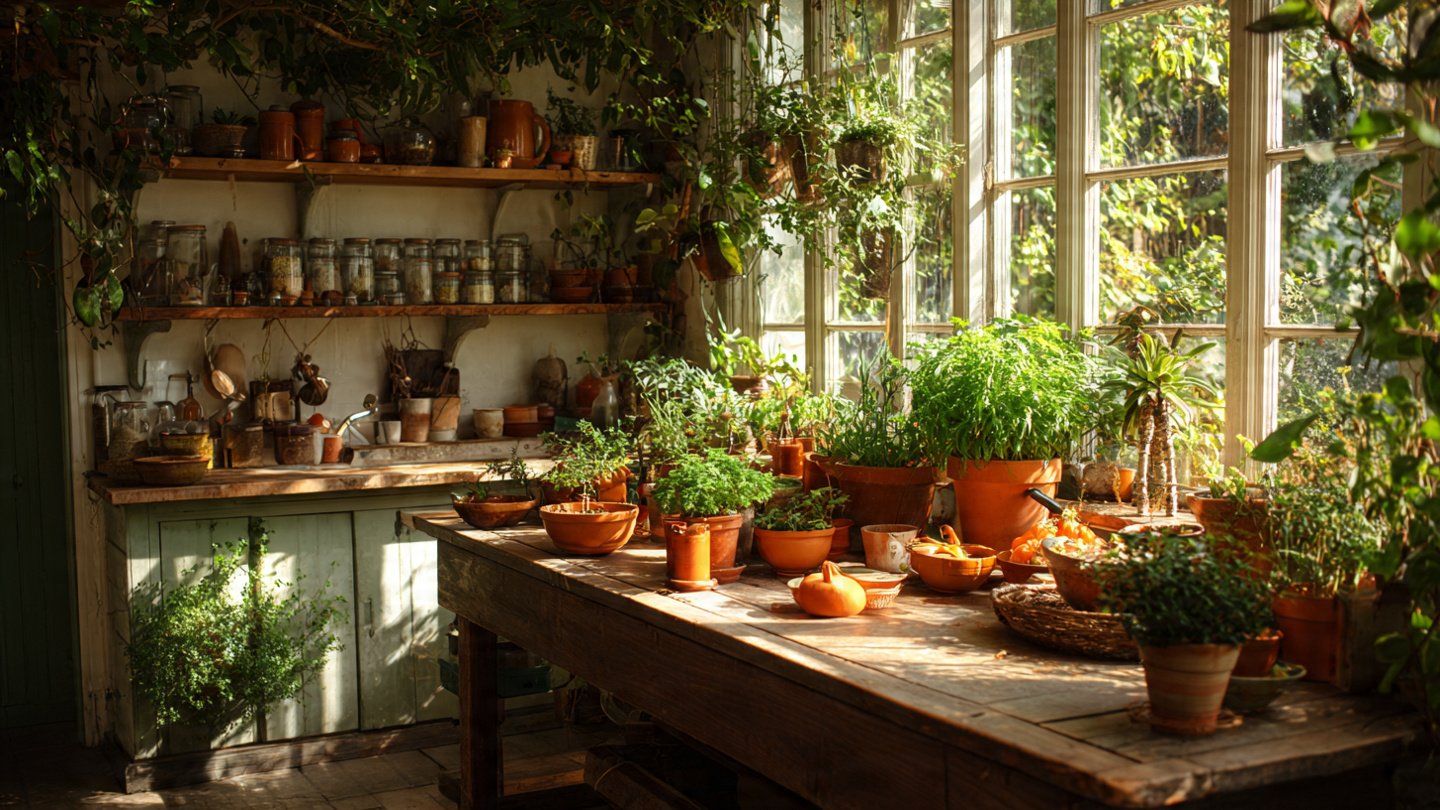
Creating a kitchen garden at home is a rewarding venture. Fresh herbs, vegetables, and fruits cultivated in your own space not only enhance the flavor of your meals but also contribute to a healthier lifestyle. However, gardeners often face peculiar challenges, one of which is observing their kitchen garden plants growing sideways. Here, we’ll explore the reasons behind this phenomenon and offer solutions to ensure your plants grow as intended.
1. The Importance of Proper Light
a. Insufficient Lighting
Plants thrive on light. If your kitchen garden is indoors or in a shaded area, inadequate light can cause them to stretch towards the light source, resulting in sideways growth. This phenomenon, known as phototropism, causes plants to bend as they seek optimal lighting conditions.
b. Lighting Duration and Quality
The type and duration of light are equally important. Most kitchen garden plants require at least 6-8 hours of direct sunlight daily. If your plants aren’t getting enough brightness, consider using grow lights to supplement natural light.
c. Positioning of Light Sources
If the light source is positioned too far from the plants, they may not receive sufficient energy for healthy growth. Always ensure that your plants are placed adequately under the light source, whether it’s a window or artificial lighting.
2. The Role of Soil and Potting Practices
a. Poor Soil Quality
The type of soil used can significantly impact plant growth. Heavy, compacted, or nutrient-deficient soil can limit root development, prompting plants to grow sideways in search of nutrients. To counter this, choose high-quality potting soil with good drainage properties and rich nutrients.
b. Pot Size
Choosing the right pot size is crucial. If a plant is in a pot that is too small, the roots won’t have enough space to grow downward. Instead, they may start to grow sideways to escape the confines of the pot. Always choose pots that allow ample room for root expansion.
c. Soil Compaction
Soil compaction restricts root growth. If you frequently water your plants without allowing the soil to dry out, the soil may become compacted, leading to sideways growth. Regularly aerate the soil to improve drainage and root health.
3. Watering Practices
a. Overwatering vs. Underwatering
Watering issues can also lead to sideways growth. Overwatering prevents oxygen from reaching the roots, leading to root rot. Conversely, underwatering can stunt growth and cause the plant to stretch sideways to find moisture. Striking a balance is critical.
b. Watering Frequency
Different plants have varying watering needs. Understanding the specific requirements of your kitchen garden plants can prevent common issues related to watering. Use a moisture meter to determine when your plants need water, helping to maintain an appropriate watering schedule.
c. Watering Techniques
How you water your plants matters. Watering them directly at the base or using a drip irrigation system can promote healthy root growth. Avoid overhead watering, which can lead to surface-level roots and sideways growth.
4. Nutrient Deficiencies
a. Essential Nutrients and Their Roles
Nutrient deficiencies can also affect plant growth. Essential nutrients like nitrogen, phosphorus, and potassium play roles in root development, overall health, and growth patterns. A lack of these nutrients can lead to stunted, sideways growth.
b. Soil Testing
To determine if soil nutrients are lacking, conduct a soil test. Soil testing kits are readily available and can provide valuable insights into necessary amendments. Adding fertilizers according to nutrient deficiencies can promote healthy vertical growth.
c. Organic vs. Synthetic Fertilizers
Consider using organic fertilizers, as they improve soil structure and health over time. While synthetic fertilizers can deliver immediate nutrition, they might not sustain long-term growth. Applying balanced fertilization techniques will help maintain nutrient availability in the soil.
5. Environmental Factors
a. Temperature and Humidity
Temperature and humidity levels in your home can also contribute to plant growth patterns. Most kitchen garden plants prefer a consistent temperature range. Fluctuations in temperature, especially drafts or extreme heat, can stress plants and lead to sideways growth as they search for favorable conditions.
b. Pest Infestations
Pests can interfere with a plant’s growth pattern. If your plants are stressed from pest infestations, they may struggle to develop adequately. Regularly check your plants for signs of pests and treat infestations promptly to prevent sideways growth.
c. Air Circulation
Good air circulation is vital for plant health. Stagnant air can lead to mold and mildew, which adversely affects plant growth. Ensure your kitchen garden has adequate ventilation, especially for indoor setups.
6. Plant Selection and Variety
a. Choosing the Right Plants
Not all plants are suitable for a kitchen garden, especially in limited space. Choose varieties that are known for stable growth and are appropriate for your environment. Research plants that are best suited for your home conditions to minimize growth-related issues.
b. Hybrid Varieties
Some hybrid plants are bred for compact growth patterns. Choosing these varieties can help reduce the risk of sideways growth, satisfying both aesthetic and functional needs in your kitchen garden.
c. Lifespan Considerations
Indeterminate varieties of plants, such as tomatoes and some climbing beans, tend to grow more vigorously and may lean sideways if not provided with adequate support. Assess the optimal support for your selected plants to ensure they grow upwards rather than sideways.
7. Support Structures
a. Providing Adequate Support
Use trellises or stakes to provide necessary support for plants that require it. This will encourage them to grow upward, reducing sideways stretching. Additionally, regular pruning can help redirect growth towards desired patterns.
b. Training Techniques
Training young plants in the right direction can help shape their growth. Techniques like tying stems gently or using cages can prevent them from leaning or growing sideways. Encourage plants to branch upward with careful manipulation.
8. Gardening Mindset
a. Patience and Observation
Gardening is a journey that requires patience. Observe your plants regularly to understand their growth patterns and challenges better. This ongoing engagement can help identify issues early and allow for timely intervention.
b. Learning from Mistakes
Every gardener faces setbacks. Use them as learning opportunities to refine your techniques. Keep a gardening journal to track the progress and health of your plants, noting changes and correlations between your practices and their growth.
c. Seeking Help and Resources
Don’t hesitate to reach out to local gardening groups or online communities for tips and support. The collective wisdom shared can provide valuable insights and practical solutions to common gardening challenges.
Conclusion
Understanding why kitchen garden plants grow sideways involves examining several interrelated factors, including light, soil quality, watering practices, nutrients, environmental conditions, plant selection, and support structures. By addressing these aspects, you can create a thriving kitchen garden that produces healthy, straight-growing plants.
With careful observation and adjustment, you can overcome the challenges associated with sideways growth, leading to a flourishing garden paradise right in your own home. Embrace the journey and enjoy the delights that home gardening brings!