Introduction
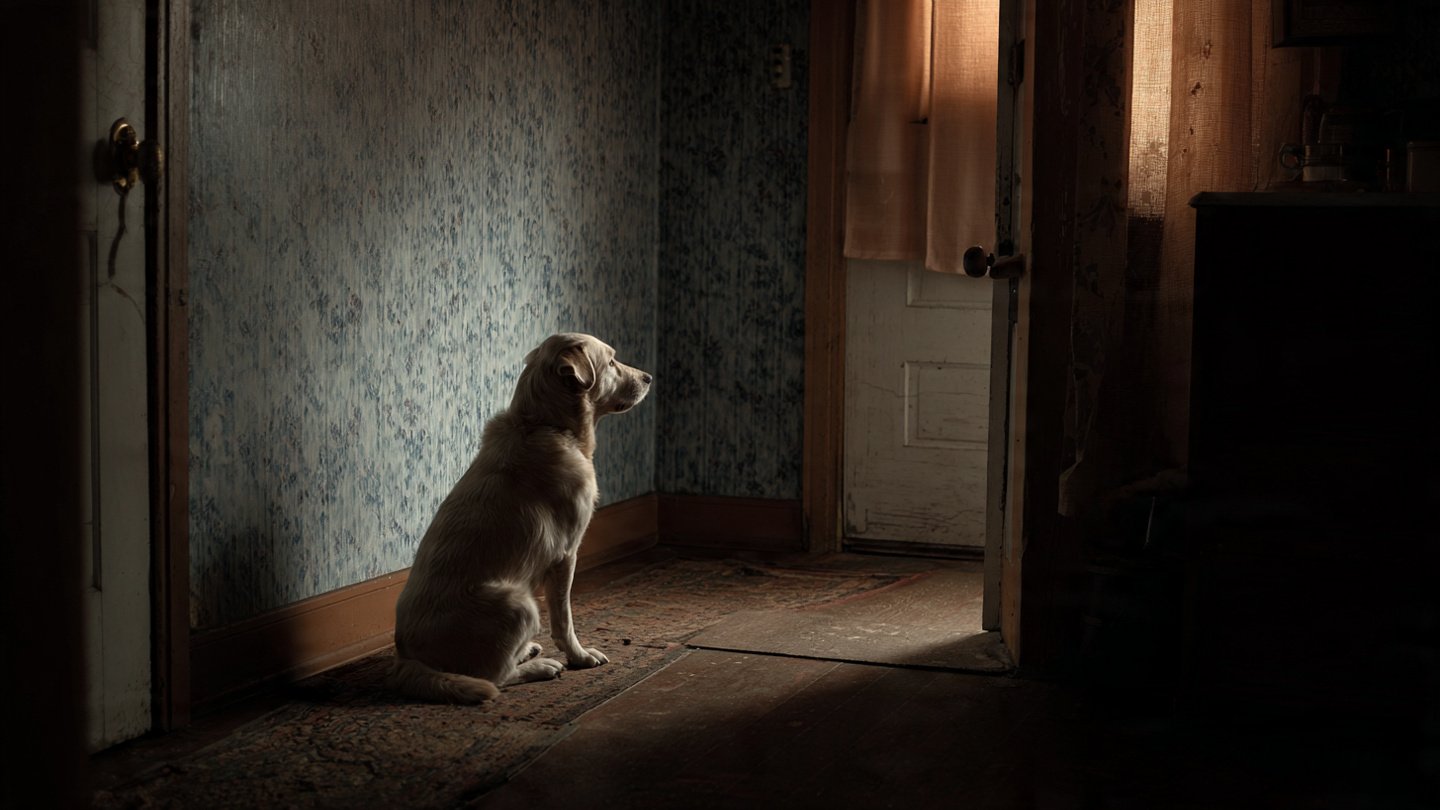
For many pet owners, the sight of their furry friend watching them leave, eyes wide with fear and confusion, can be heart-wrenching. Separation anxiety in pets is a common issue that can lead to various emotional and behavioral problems. Understanding why pets feel anxious when left alone not only helps pet owners empathize with their companions but also opens avenues for effective strategies to alleviate this anxiety.
Understanding Anxiety in Pets
What is Separation Anxiety?
Separation anxiety is a psychological condition seen in pets, especially dogs, characterized by excessive fear and distress when they are left alone. Cats can also experience anxiety, although it is often less pronounced compared to dogs. Symptoms may range from mild signs of distress, such as whining or pacing, to severe reactions, including destructive behavior, vocalization, or attempts to escape.
How Common is this Condition?
Separation anxiety is relatively common in pets, with studies suggesting that between 14% to 20% of dogs may suffer from it. This condition can manifest at any age but is often found in pets adopted from shelters or those that have experienced significant changes in their household, including the loss of a family member or moving to a new environment.
Causes of Separation Anxiety
Understanding the root causes of separation anxiety is crucial in effectively addressing the issue. Several factors contribute to why pets experience this distress.
1. Attachment to Owners
Pets, particularly dogs, are pack animals by nature. Their social structure relies heavily on the presence and guidance of a leader, which is often their human owner. A strong bond can deepen their dependency, making the absence of their owner feel threatening.
2. Inadequate Socialization
Pets that have not been properly socialized during their critical development phases may struggle to cope with being alone. Socialization involves exposing pets to various situations, people, and other animals, which helps them build confidence and adaptability. A lack of socialization can lead to increased anxiety in unfamiliar situations.
3. Changes in Routine or Environment
Pets thrive on routine. Changes such as moving to a new home, a shift in their owner’s work schedule, or the arrival of a new family member can trigger anxiety. Any disruption in their stable routine can leave them feeling insecure and anxious about being alone.
4. Traumatic Experiences
Pets that have experienced trauma, such as being abandoned, abused, or involved in a car accident, may develop anxiety when left alone. These past experiences can lead to a heightened state of fear and anxiety, which persists long after the triggering event.
5. Genetic Factors
Some breeds are more predisposed to anxiety than others. Breeds like Labrador Retrievers, Border Collies, and German Shepherds often display heightened attachment behaviors, making them more susceptible to separation anxiety. Understanding a pet’s genetic background can provide insights into their behavior and predisposition toward anxiety.
Identifying Symptoms of Separation Anxiety
Recognizing the signs of separation anxiety is the first step toward addressing the issue. Symptoms can vary in intensity and may include:
- Excessive Vocalization: Barking, whining, or meowing when left alone.
- Destructive Behavior: Chewing furniture, scratching doors, or breaking items in an attempt to escape.
- Pacing: Incessant movement, often along a specific path.
- Elimination Issues: Urinating or defecating inside the house, even if the pet is housetrained.
- Salivation or Panting: Excessive drooling or panting when the owner prepares to leave.
- Depression: Signs of lethargy, loss of interest in activities, or withdrawal when left alone.
Impacts of Separation Anxiety
Separation anxiety can negatively impact both pets and owners. For pets, the stress of anxiety can lead to physical health issues, such as digestive problems or weakened immune responses. For owners, the emotional toll can create a strain in the relationship with their pet and lead to frustration, guilt, or even considering rehoming.
Managing and Alleviating Separation Anxiety
While the situation may seem daunting, there are effective methods to manage and alleviate separation anxiety in pets.
1. Gradual Desensitization
One of the most effective methods for combating separation anxiety is to gradually desensitize your pet to the experience of being alone. Start by leaving your pet alone for very short periods, gradually increasing the time as they become more comfortable. This process should be approached gently, ensuring that the pet is not overwhelmed.
2. Create a Safe Space
Designate a specific area or room where your pet feels safe. This space should contain their favorite toys, bedding, and even items that carry your scent. Making this area inviting can help reduce anxiety.
3. Routine Establishment
Establishing a consistent daily routine can significantly reduce anxiety. Regular feeding times, play sessions, and walks provide predictability, helping pets feel more secure. A daily schedule can make the idea of separation less daunting.
4. Positive Reinforcement
Rewarding your pet for calm behavior when you’re preparing to leave can reinforce desirable responses. For example, giving treats when your pet remains calm during departure routines can help them associate being alone with positive experiences.
5. Interactive Toys and Distractions
Providing mental stimulation can combat anxiety and boredom. Interactive toys that dispense treats or require problem-solving can keep pets engaged and distracted while you are away.
6. Counter-Conditioning
Counter-conditioning involves changing your pet’s emotional response to being left alone. For instance, you can create positive associations with your departures, such as giving a special treat only when you leave. Over time, your pet will learn to associate your departures with positivity rather than anxiety.
7. Consulting a Professional
In severe cases, consulting with a veterinarian or a certified animal behaviorist is invaluable. They can conduct an assessment and recommend tailored behavioral modification plans or consider medical options if necessary.
When to Seek Professional Help
Recognizing when to seek help is crucial. If your pet exhibits extreme signs of anxiety that lead to self-harm, destruction of property, or causes you significant distress, it may be time to consult with a professional.
Conclusion
Understanding why pets feel anxious when left alone is integral to fostering a harmonious relationship with our furry companions. By recognizing the signs of separation anxiety, its causes, and employing effective strategies to manage it, pet owners can ensure their pets feel secure and loved, even in their absence. With patience, understanding, and consistency, it is possible to help pets overcome their anxiety, allowing both pet and owner to enjoy quality time together and apart.