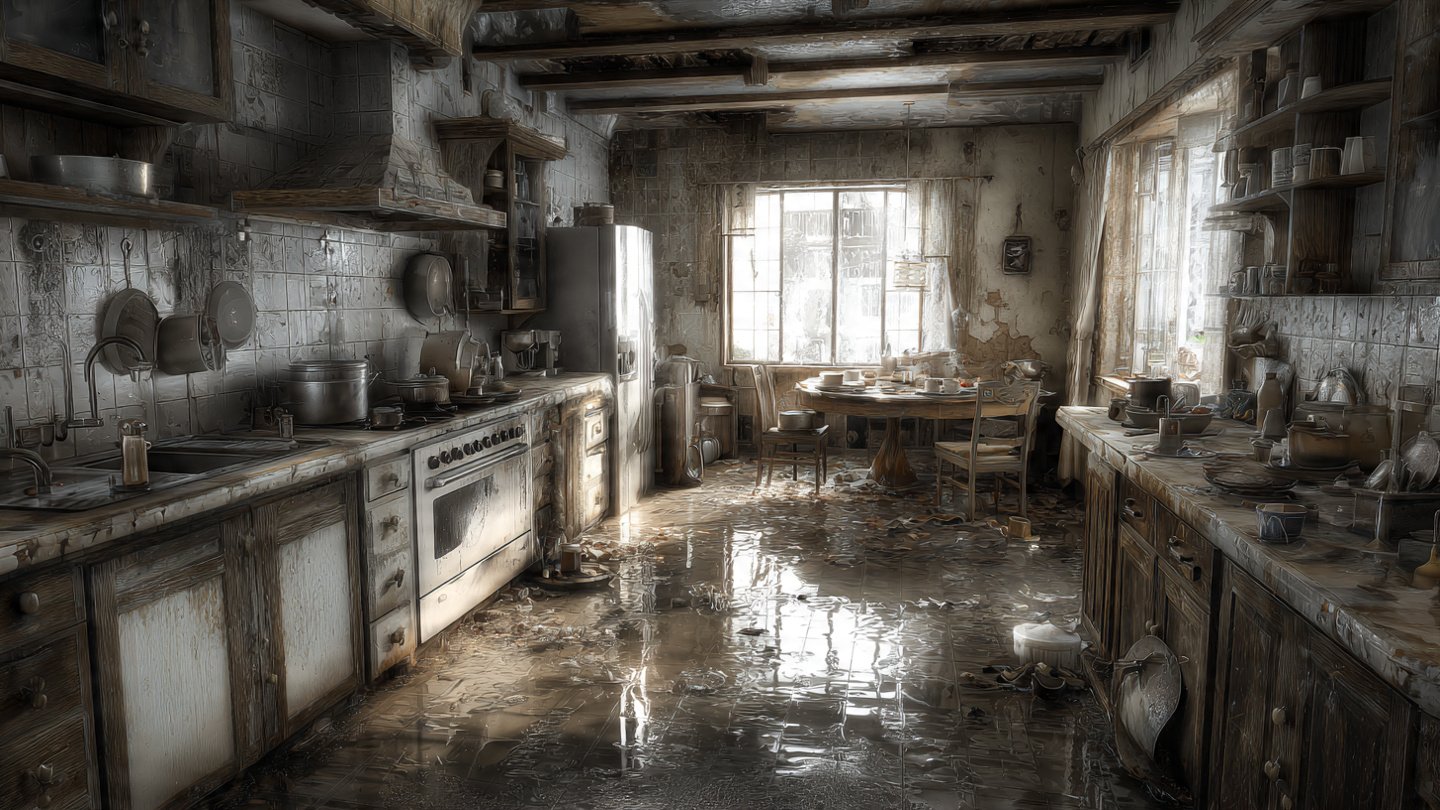
The kitchen is often regarded as the heart of the home, where meals are prepared and memories are made. However, after a thorough cleaning, it can be frustrating to still feel a greasy residue lingering on surfaces, cabinets, and appliances. Understanding why this occurs can help you achieve a clean and inviting kitchen. In this article, we will explore several reasons why your kitchen may still feel greasy after cleaning, and we will provide strategies to effectively combat grease and grime.
Common Causes of Lingering Grease
Despite your efforts, there are various factors that can lead to a greasy kitchen even after a thorough cleaning. Let’s delve into these reasons one by one.
1. Inadequate Cleaning Products
One common mistake is using ineffective cleaning products. Many household cleaners are not formulated to cut through heavy grease. If you’ve been using standard surface cleaners, you may not be getting the deep clean you need.
- Grease-cutting detergents: Consider using products specifically designed to cut grease, such as degreasers or dish soap with a powerful formula.
- Natural solutions: Alternatives like vinegar, baking soda, or lemon juice can also help break down grease naturally.
2. Residual Cleaning Agents
Sometimes, the products you use can leave behind their own residue after cleaning. If a cleaner is not rinsed off adequately, it can contribute to a greasy feel. Check the instructions of your cleaning agent; some require rinsing with water to avoid this issue.
3. Grease Build-Up Over Time
Over time, grease can accumulate in layers, especially in high-traffic areas like the stovetop and backsplashes. A simple wipe-down may not be enough to remove ingrained grease.
- Deep cleaning: Consider scheduling a more thorough cleaning session. Use scrubbing pads or high-pressure steam cleaners to lift embedded grease.
4. Poor Ventilation
The lack of proper ventilation can lead to a greasy environment. When cooking, steam and cooking oils can remain suspended in the air, settling back onto surfaces, contributing to the problem.
- Use of exhaust fans: Always turn on your kitchen exhaust hood while cooking to capture smoke and grease.
- Open windows: If possible, open windows to allow fresh air to circulate, which can minimize grease accumulation.
5. Grease in Hidden Areas
It’s essential to look beyond the visible surfaces. Grease can settle in harder-to-reach places such as under appliances or behind cabinets. These areas often get overlooked during regular cleaning.
- Regular checks: Make it a habit to move appliances and clean behind and beneath them regularly.
- Professional cleaning: If you’re struggling to get to all the hard-to-reach spots, consider hiring professionals who have the tools and expertise to clean thoroughly.
6. Dirty Cleaning Tools
Your cleaning tools could be part of the problem. If sponges, mops, or cloths are dirty before you start cleaning, you might just be redistributing grease instead of removing it.
- Clean tools: Ensure your cleaning tools are clean before use. Regularly wash or replace sponges and cloths.
- Use specific tools: Designate specific cloths for grease and others for general cleaning.
Effective Cleaning Strategies
Now that we understand why your kitchen might still feel greasy after cleaning, let’s explore some effective strategies for achieving a deeper clean.
1. Create a Cleaning Schedule
Establishing a routine cleaning schedule can help you stay on top of grease build-up. Incorporate daily, weekly, and monthly tasks into your routine.
- Daily tasks: Wipe down surfaces and clean spills immediately.
- Weekly tasks: Clean appliances, countertops, and mop the floors.
- Monthly tasks: Deep clean cabinets, inside appliances, and any hard-to-reach areas.
2. Utilize the Right Tools and Products
Investing in quality cleaning products and tools can make a significant difference. Look for high-performance degreasers that cut through cooking residue effectively.
3. Tackle One Area at a Time
Instead of trying to clean the entire kitchen at once, focus on one area at a time. This allows for a more thorough clean without feeling overwhelmed.
Conclusion
A greasy kitchen after cleaning is not only frustrating but can also make cooking and entertaining less enjoyable. By understanding the common causes behind this issue and implementing effective cleaning strategies, you can transform your kitchen into a spotless and inviting space. Regular maintenance, the right tools, and deeper cleaning practices will help ensure that your efforts yield satisfying results.
Frequently Asked Questions (FAQs)
1. What is the best homemade cleaner for grease?
A mixture of vinegar and baking soda is excellent for tackling grease. Combine one part vinegar with two parts baking soda in a spray bottle, shake well, and apply to greasy areas.
2. How do I prevent grease build-up in my kitchen?
Regularly clean surfaces, use exhaust fans while cooking, and wipe down splatters immediately to minimize grease build-up.
3. How often should I clean my kitchen to keep it grease-free?
A daily wipe down of surfaces, weekly deep cleaning of appliances, and monthly inspections of hard-to-reach areas can help maintain a clean kitchen.
4. Can I use dish soap to clean greasy cabinets?
Yes, dish soap is effective at cutting through grease. Mix some dish soap with warm water and use a cloth to wipe down your cabinets.
5. Is it necessary to use chemical cleaners to remove kitchen grease?
Not always. There are many effective natural alternatives for removing grease. However, in severe cases of buildup, stronger chemical cleaners may be required.