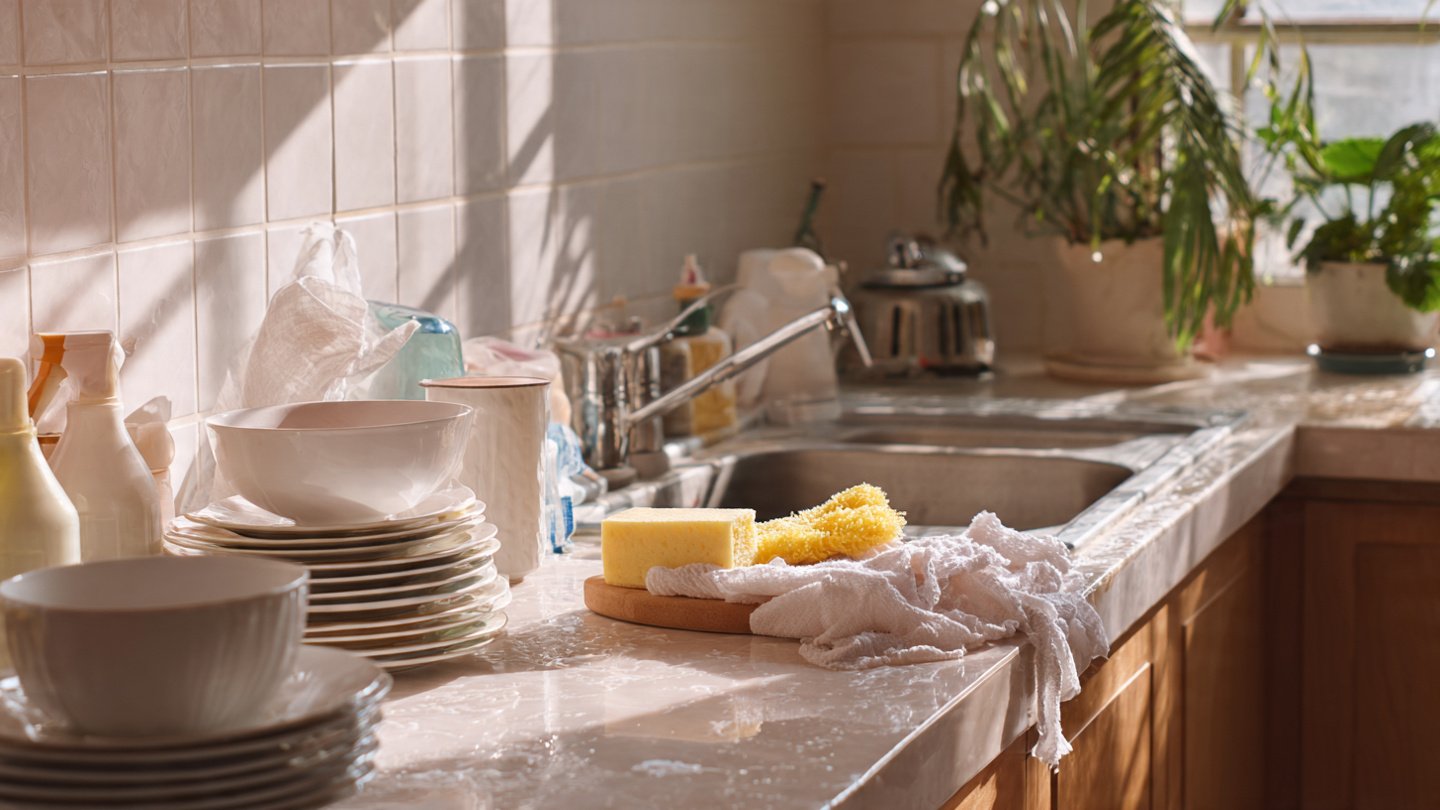
Keeping a kitchen clean and hygienic is a top priority for every home cook and family. However, many people experience frustration when, after diligently wiping down countertops, tables, and other surfaces, they discover their kitchen feels sticky or tacky. This article will explore the potential reasons behind this common issue and offer solutions to ensure your kitchen surfaces remain pristine.
The Science Behind Stickiness
Understanding why surfaces can feel sticky post-cleaning begins with acknowledging the materials involved. Kitchen surfaces are typically made from a variety of materials, including:
- Granite or Quartz
- Laminate
- Wood
- Stainless Steel
- Ceramic Tiles
Each of these materials interacts differently with cleaning agents, food particles, and the environment.
1. Residue from Cleaning Products
One of the primary culprits of sticky surfaces is residue from the cleaning products themselves. Here are some common reasons for this phenomenon:
a. Overapplication of Cleaners
When individuals apply too much cleaner, it can leave a film on the surface. This can be especially true for products that contain wax or oils, which can dry sticky. To avoid residue:
- Follow the manufacturer’s instructions on how much product to use.
- Use the appropriate cleaner for the surface material.
b. Incompatibility
Using the wrong type of cleaning product can also lead to stickiness. For instance, cleaning surfaces with an all-purpose cleaner that contains oils can leave a film, especially if the surface is not a suitable match for the cleaner. Always choose cleaners designed for the specific surface you are treating.
2. Incomplete Rinsing
After cleaning, it is essential to thoroughly rinse and dry the surface. If cleaning products are not entirely wiped off, they can contribute to a sticky texture. This is particularly true for multi-surface cleaners that require rinsing or neutralizing.
3. Food Particles and Grease
Even with diligent cleaning, tiny food particles and cooking residues can remain on surfaces, contributing to a sticky feeling. This can include:
- Grease splatters from cooking
- Spills that haven’t been completely wiped
- Dust and debris that accumulate over time
Regular maintenance and targeted cleaning, especially in cooking zones, are essential to prevent these residues from building up.
4. Hard Water Deposits
Hard water can leave mineral deposits on surfaces, particularly on countertops and faucets. These deposits can produce a sticky residue that feels unpleasant to the touch. This is especially an issue in areas with high mineral content in the water supply. To combat hard water stains:
- Regularly clean surfaces with a vinegar solution, as it can help dissolve mineral buildup.
- Use a water softener if applicable to your home.
5. Humidity and Ambient Conditions
Environmental conditions also play a role in how surfaces feel. High humidity can cause certain residues to feel tacky. When moisture is trapped on surfaces, it can mix with dirt or cleaning products, resulting in a sticky feel. Always ensure that your kitchen is well-ventilated while cleaning.
6. Natural Oils and Greases
Certain materials, like wood, can absorb oils from food preparation. Using natural oils for cooking or even cutting on wooden surfaces can lead to an accumulation of these oils, making the surface feel sticky over time.
7. Improper Drying Techniques
Using a damp cloth to clean without allowing sufficient time for the surface to dry can lead to a sticky residue. When moisture mixes with cleaner residue, it can create a tacky surface. Here are some drying tips:
- Use a dry microfiber cloth to wipe surfaces after cleaning.
- Allow surfaces to air dry whenever possible.
Effective Cleaning Strategies
To prevent sticky surfaces in your kitchen, adopting a structured cleaning routine can help. Here are some strategies to consider:
1. Choose the Right Cleaning Products
- Read Labels: Use products that specifically state they are meant for your type of surface.
- Natural Solutions: Consider natural cleaners like vinegar and baking soda, which are effective yet less likely to leave residues.
2. Implement a Two-Step Cleaning Process
- Clean: Use a cleaner to remove dirt and debris.
- Rinse: Follow up with a damp cloth to remove any cleaner residue, then dry completely.
3. Maintain Regular Cleaning
Frequent surface cleaning can prevent residue buildup. Ideally, wipe surfaces down after cooking to mitigate grease and food build-up.
4. Use the Right Tools
Use non-abrasive sponges or microfiber cloths to avoid scratching and to ensure thorough cleaning. Sponge scrubbers can be effective for tougher residues.
Dealing with Specific Surface Types
Different surfaces require different approaches. Here’s a quick guide:
Granite and Quartz
- Use pH-balanced cleaners; avoid acidic substances like vinegar that could damage the sealant.
- Wipe surfaces with a damp cloth followed by a dry cloth.
Laminate
- Use a gentle all-purpose cleaner; avoid abrasive materials to prevent scratching.
- Rinse thoroughly with water and avoid soaking the surface.
Wood
- Avoid excessive moisture; use specific wood cleaners.
- Apply a thin layer of mineral oil periodically to maintain the surface.
Stainless Steel
- Use cleaner specifically made for stainless steel to avoid streaks.
- Always wipe in the direction of the grain to achieve a smooth finish.
Conclusion
Experiencing sticky kitchen surfaces after cleaning can be a frustrating challenge, but it is usually straightforward to address. By understanding the various factors at play, including residue from cleaning products, incomplete rinsing, environmental conditions, and specific surface needs, homeowners can adopt effective cleaning practices to maintain a hygienic, comfortable kitchen.
Remember, the key to a clean kitchen lies in consistent maintenance and careful attention to the products and techniques used. A little knowledge and a few adjustments can go a long way in ensuring your kitchen surfaces stay clean and inviting.