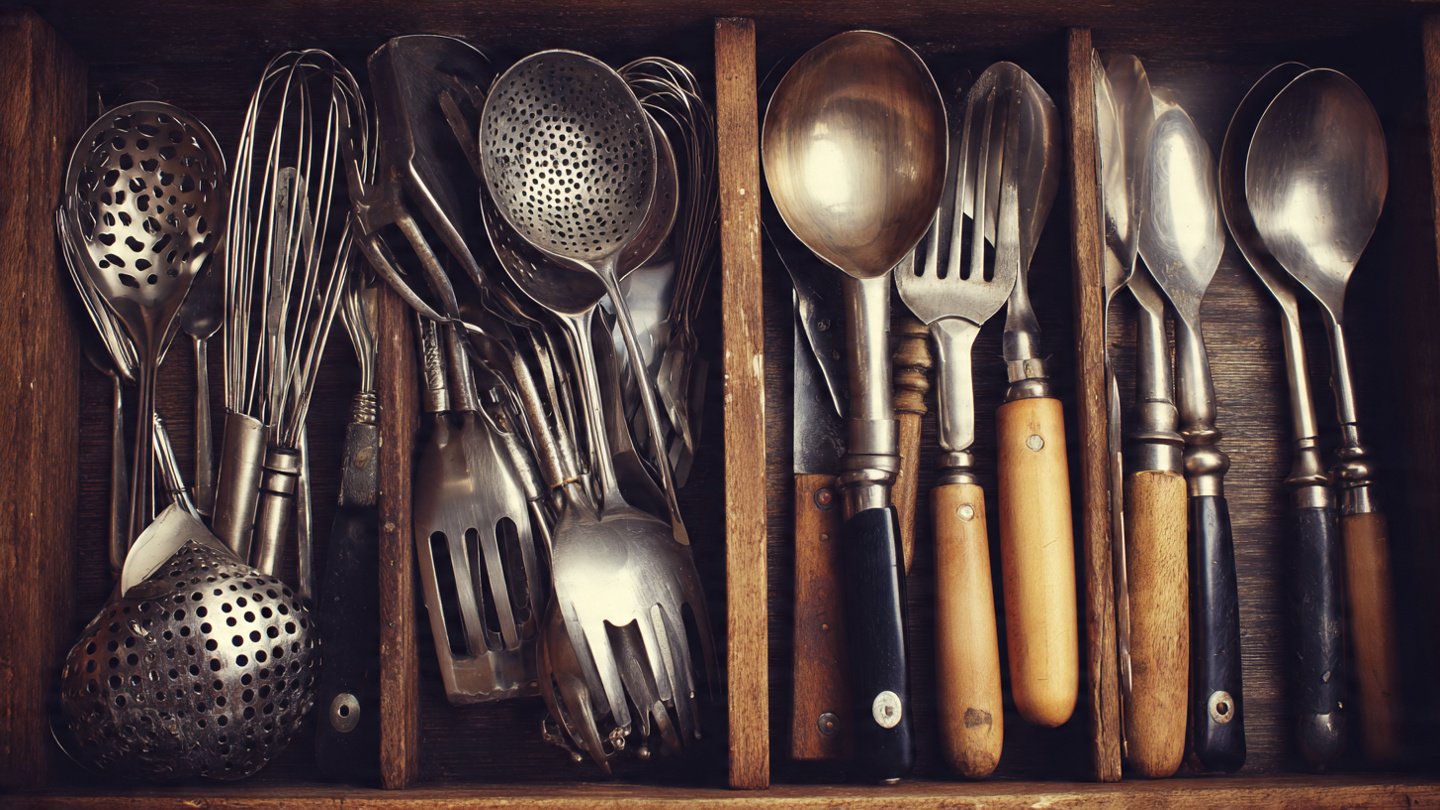
In the hustle and bustle of daily cooking, one of the most overlooked aspects is the maintenance of kitchen tools and gadgets. From knives to graters, everything we rely on can suffer from dullness, affecting their functionality and, ultimately, our cooking experience. Understanding why kitchen tools dull over time is crucial for maintaining efficiency in the kitchen and extending the lifespan of your tools.
The Nature of Dullness
Material Composition
Kitchen tools come in a variety of materials, including stainless steel, carbon steel, ceramic, and high-carbon stainless steel. Each type has different durability and resistance properties. For instance, stainless steel is resistant to rust but can lose its edge faster than high-carbon steel, which, while prone to corrosion, maintains a sharper edge longer.
Types of Wear and Tear
Dullness arises from multiple factors, primarily physical wear and tear. Over time, the microscopic edges of a sharp tool can wear down due to contact with food, cutting boards, and even the air. The more you use tools, the faster the edges become compromised.
Factors Contributing to Dullness
Several interconnected factors can contribute to the quick dulling of kitchen tools:
1. Frequency of Use
The most obvious factor is how often a tool is used. Frequent slicing and dicing lead to rapid edge wear. Knives, for example, may dull more quickly in a busy kitchen environment where they are used multiple times a day.
2. Type of Food Prepared
The nature of the food being prepared also influences how quickly tools dull. Cutting harder foods (like root vegetables or frozen items) can be much harsher on your knives than slicing softer items like ripe tomatoes or herbs. Acidic foods can also contribute to corrosion and dulling over time.
3. Cutting Surface
The surface on which you cut can significantly impact the durability of your blades. Hard surfaces like glass or ceramic can hasten dullness, while softer surfaces like wood or plastic are gentler on your tools. It’s crucial to choose cutting boards wisely to maintain the sharpness of your knives and other cutting tools.
4. Improper Cleaning and Storing
Neglecting proper cleaning techniques can shorten the lifespan of kitchen tools. Tools should be washed after each use; however, putting them in a dishwasher can be detrimental. Heat and harsh detergents can wear down the blade and degrade materials over time. Storing tools incorrectly can also contribute to dullness; for instance, tossing knives into a drawer can cause them to collide with other tools, leading to edge chipping.
5. Use of the Wrong Tool for the Job
Using the wrong tool can exacerbate dulling. For example, using a chef’s knife to break down bones or a serrated knife to chop vegetables can put undue stress on the tool, causing damage. Each tool is designed for specific tasks, and understanding these roles can preserve their functionality.
6. Environmental Factors
Humidity, temperature, and exposure to air can all contribute to the dulling process. Metal objects can corrode when exposed to moisture, which may lead to both dullness and rust. Additionally, extreme cold can make some materials more brittle, while excess heat can warp cutting edges.
Maintenance Tips to Combat Dullness
Understanding the reasons behind the quick dulling of kitchen tools is the first step; the next involves taking proactive measures to maintain their sharpness and longevity.
1. Regular Sharpening
Investing in a good quality sharpening tool is essential for maintaining sharp kitchen tools. Regular sharpening ensures that the edges remain optimal for use. There are various tools on the market, including whetstones, honing rods, and electric sharpeners. Each has its pros and cons, so choose one that suits your level of expertise and the types of tools you own.
2. Proper Cleaning Techniques
Always wash knives and other tools by hand and dry them immediately to prevent any water spots or corrosion. Using a gentle sponge and mild detergent can help maintain the tool’s integrity. Avoid leaving them submerged in water for extended periods.
3. Choosing the Right Cutting Surface
Invest in a high-quality cutting board made of wood or plastic. These materials are gentler on your knives compared to harder surfaces like glass. Even using a designated board for specific tasks, such as one for meats and another for vegetables, can help reduce cross-contamination.
4. Storing Tools Correctly
Store knives in a way that protects the blade; for instance, consider using a magnetic strip, knife block, or knife sleeves. Avoid tossing knives into a drawer with other utensils, as this can lead to chipping and dulling.
5. Educating Yourself About Tool Use
Familiarize yourself with the intended uses of your kitchen tools. Knowing which tools to use for specific tasks can save them from unnecessary wear. For instance, use food processors or mandolins to slice through tougher ingredients instead of relying solely on your knives.
6. Environmental Control
Store your kitchen tools in a dry, climate-controlled environment. Make an effort to minimize exposure to humidity and make sure they’re not in direct contact with heat sources like stovetops.
The Long-Term Benefits of Maintaining Sharp Tools
Investing time in maintaining your kitchen tools will pay off in various ways:
1. Enhanced Performance
Sharp tools perform better, making your cooking experience smoother and more enjoyable. You’ll find that tasks take less time and effort, whether you’re chopping vegetables or slicing meat.
2. Improved Safety
Dull tools can be more dangerous than sharp ones. They require more force to use, increasing the likelihood of slipping and causing injuries. Having well-maintained knives helps you make precise cuts, reducing the risk of accidents.
3. Cost Efficiency
Taking care of your kitchen tools extends their life, ultimately saving you money. Regular maintenance can prevent you from having to frequently replace tools that could have lasted longer with proper care.
4. Culinary Satisfaction
Cooking is an art, and having the best tools can enhance that creative process. A well-maintained knife can be the difference between a frustrating experience and a fulfilling one, leading to better tasting dishes.
Conclusion
Understanding why kitchen tools dull quickly over time is essential for anyone who spends time in the kitchen, whether a novice cook or a seasoned chef. By recognizing the factors that contribute to tool dullness and implementing effective maintenance practices, you can ensure your kitchen tools remain sharp, efficient, and safe for years to come. A little effort in tool care goes a long way, enhancing your cooking experience and preserving the investment you’ve made in your kitchen gadgets.
Embrace the importance of thoughtful care; after all, a well-equipped kitchen is a happy kitchen.