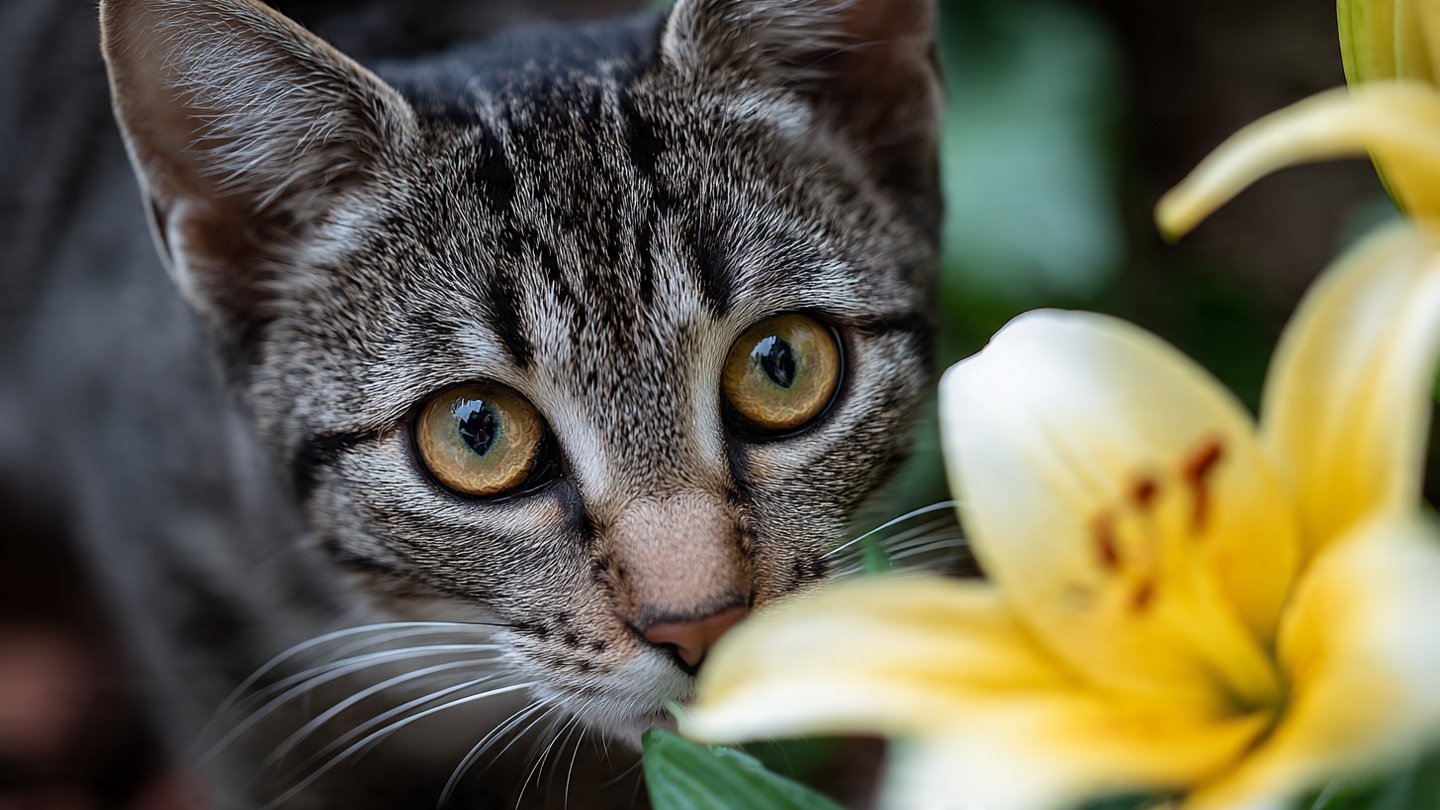
As a proud pet owner, ensuring the safety and well-being of your feline friend is a top priority. Among the myriad of plants available, lilies—especially certain species—pose significant dangers to cats. While these beautiful flowers may brighten your home or garden, their pollen can be lethal to cats. This article aims to provide an in-depth understanding of the risks associated with lily pollen, how to prevent accidental ingestion, and what to do if your cat gets into trouble.
Understanding the Danger: What are Lilies?
Lilies belong to the Lilium genus and consist of numerous species. Some common varieties, like the Easter lily, Tiger lily, and Asiatic lily, are beloved for their stunning blooms. However, what many pet owners might not realize is that even a small amount of lily pollen or ingestion of any part of the plant can lead to severe health issues in cats.
The Toxic Components of Lilies
It’s crucial to understand why lilies are so harmful. The exact toxic component that affects cats remains unidentified, but the consequences are undeniable:
- Acute Kidney Failure: Ingesting any part of the lily—leaves, flowers, or pollen—can lead to acute kidney failure. Symptoms may occur within a few hours, escalating to severe health crises if not treated promptly.
- Delayed Symptoms: Some symptoms might not surface until a few days after ingestion, complicating diagnosis and treatment.
Common Symptoms of Lily Toxicity
Recognizing the symptoms of lily toxicity is vital for prompt intervention. Monitor your cat for the following signs:
- Vomiting
- Lethargy
- Loss of appetite
- Dehydration
- Frequent urination
- Seizures (in severe cases)
How Cats are Exposed to Lily Pollen
Exposure to lily pollen can occur in several ways:
- Ingestion: Cats may nibble on plants due to their natural curiosity, which can include eating petals or leaves.
- Grooming: If pollen falls on a cat’s fur, they might ingest it while cleaning themselves.
- Chewing on Stems: The plant itself may attract cats, leading to chewing on the stems or leaves.
Preventive Measures: Keeping Your Cat Safe
To protect your feline friend, consider these preventive measures:
- Choose Cat-Safe Plants: Opt for pet-friendly plants in your home and garden. Some safe alternatives include spider plants, African violets, and Boston ferns.
- Educate Household Members: Ensure everyone in your family understands the dangers of lilies and is vigilant about not bringing them into the home.
- Regularly Check Surroundings: If you have lilies and live with cats, monitor your environment closely to prevent any accidental exposure.
- Immediate Cleanup: Quickly remove any pollen, fallen petals, or plant debris before your cat can access them.
What to Do in Case of Exposure
If you suspect your cat has been exposed to lilies, an immediate response is crucial:
- Seek Emergency Veterinary Care: Time is of the essence. Take your cat to the vet immediately, even if symptoms aren’t present yet.
- Information Gathering: Inform the veterinarian about the type of lily and the extent of exposure. This information can guide treatment.
- Prevent Further Exposure: Remove any remaining lilies from your home to prevent further incidents.
The Importance of Early Detection and Treatment
While early detection significantly improves the prognosis for cats exposed to lilies, immediate veterinary treatment can make all the difference. Treatments may include:
- Inducing vomiting
- Activated charcoal administrations
- Intravenous fluid therapy to support kidney function
- Regular kidney monitoring through blood tests
Conclusion
Understanding the risks associated with lily pollen is essential for every cat owner. While these beautiful flowers may add charm to your home, their toxicity poses a significant threat to your feline friends. By choosing safer plants, educating yourself and your household, and knowing the symptoms of lily toxicity, you safeguard your beloved pets from potential dangers. Always maintain vigilance and responsiveness because when it comes to your cat’s health, prevention and swift action can prevent devastating outcomes.
FAQs
1. Are all types of lilies toxic to cats?
Most lilies, including Easter lilies, Tiger lilies, and Asiatic lilies, are toxic to cats. It’s best to avoid all varieties if you have cats at home.
2. What should I do if my cat accidentally eats lily pollen?
If you suspect ingestion, seek emergency veterinary care immediately. Early intervention can help avert severe health issues.
3. Can lily pollen harm humans or other pets?
While lily pollen is especially harmful to cats, it is generally not toxic to humans or dogs. However, it’s still advisable to keep lilies out of reach from all pets.
4. How can I identify if my cat has been exposed to lilies?
Look for symptoms such as vomiting, lethargy, loss of appetite, and excessive urination. If your cat displays these symptoms, contact your vet.
5. What are some safe plants I can have with cats at home?
Some cat-safe plants include spider plants, Boston ferns, and African violets. Always research before bringing a new plant home.