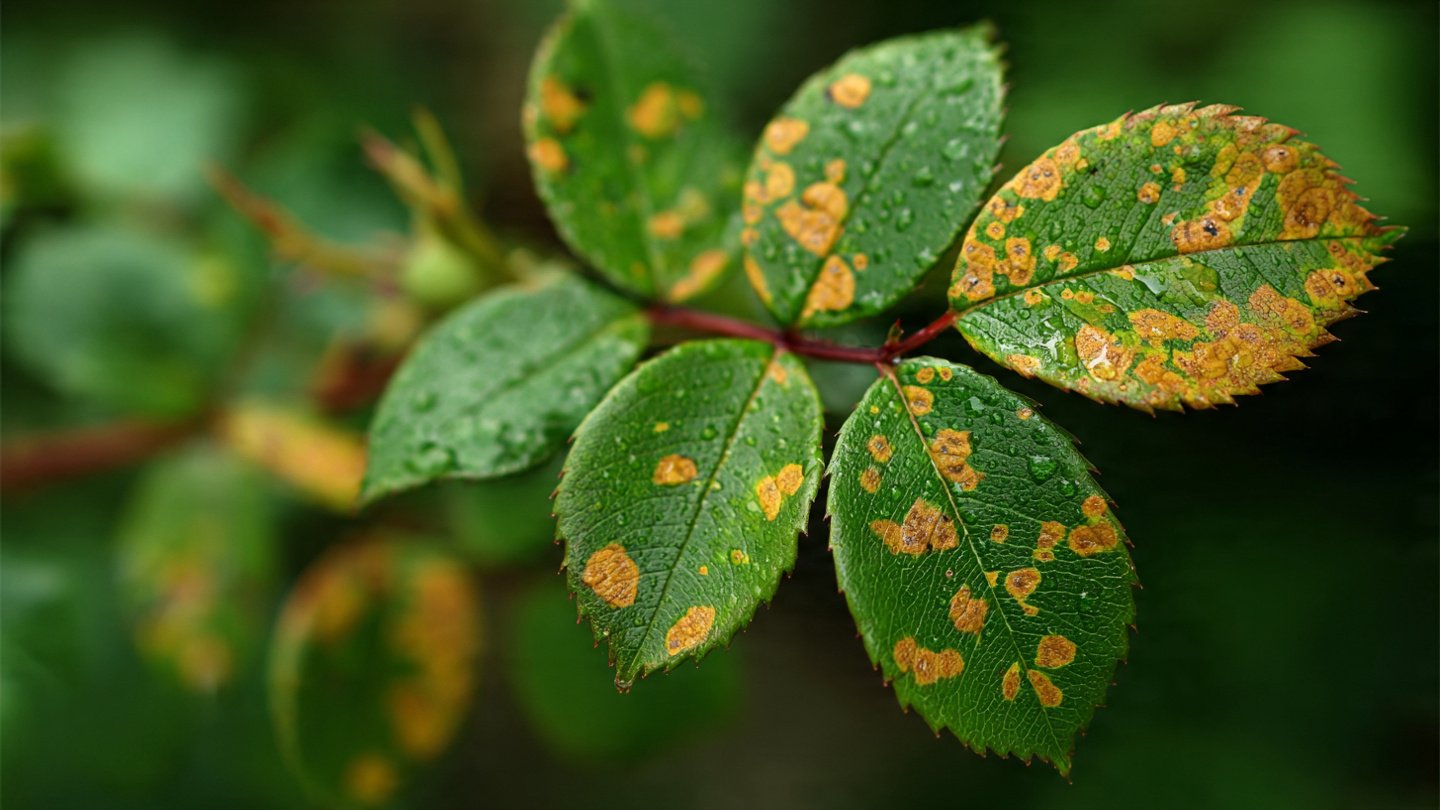
Understanding Orange Spots on Rose Leaves
Roses are the quintessential garden flowers, known for their alluring beauty and fragrance. However, their health can be compromised by various issues, one of which is the appearance of orange spots on leaves. Understanding why these spots occur is crucial for every gardener who wants to maintain a healthy rose bush.
Common Causes of Orange Spots
There are several reasons why orange spots may appear on rose leaves. The most common include:
- Fungal Infections: Fungi thrive in warm, moist environments, making rose leaves susceptible to various fungal diseases. One of the most prevalent is entomosporium maculatum, which can cause reddish-orange spots on leaves.
- Powdery Mildew: This fungal disease typically manifests as a white powdery coating but can progress to causing color changes, including orange spots as the infection worsens.
- Insect Infestation: Certain pests, like aphids and spider mites, can damage leaves and lead to discoloration. Their feeding habits weaken the plants, making them more vulnerable to diseases.
- Environmental Stress: Factors such as overwatering, poor drainage, or nutrient deficiencies can stress the plants, often resulting in discoloration and leaf spots.
- Nutrient Deficiencies: Roses lacking essential nutrients, especially potassium or magnesium, may show symptoms, including orange spots.
Fungal Infections
Fungal infections are perhaps the most notorious culprits behind orange spots on rose leaves. The fungi typically produce spores that thrive in humid conditions, leading to widespread infection if not addressed promptly. Entomosporium maculatum, for instance, affects the leaves and produces small reddish-orange lesions. Under favorable conditions, it can spread quickly, particularly in poorly aerated spaces.
Powdery Mildew
This disease appears primarily during hot, dry weather and is marked by a white, powdery substance on leaves. However, as it progresses, it can lead to the development of orange or reddish spots. Sphaerotheca pannosa, the fungus behind powdery mildew, can cause significant damage if left unchecked, leading to defoliation and reduced flowering.
Insect Infestation
Insect pests such as aphids and spider mites can cause orange spots as they feed on the plant’s sap. Aphids, small and often found in colonies, can cause leaves to curl, turn yellow, or develop spots. Spider mites, on the other hand, leave fine webs that are noticeable on the undersides of leaves and can lead to stippling and eventual leaf drop.
Environmental Stress
Environmental factors play a significant role in the overall health of rose bushes. Overwatering can lead to root rot, causing leaves to yellow or develop spots. Conversely, insufficient water may stress plants, leading to cell damage and discoloration. Additionally, poor soil drainage can create perfect conditions for several pathogens, exacerbating the issue.
Nutrient Deficiencies
Roses require a balance of nutrients to thrive. Deficiencies, particularly in potassium, magnesium, and nitrogen, can lead to various symptoms, including leaf spots. For instance, potassium deficiency can cause the edges of leaves to turn orange or brown, while magnesium deficiency might manifest as interveinal chlorosis, where the area between the veins turns yellow, possibly revealing reddish discoloration.
Management and Prevention
While discovering orange spots on rose leaves can be concerning, there are effective management strategies to prevent and treat the situation.
Regular Inspection
Routine checks of your roses can lead to early detection of issues. Look for any signs of discoloration, spots, or unusual growth patterns. Early treatment can often prevent more extensive damage.
Proper Watering
Water roses deeply but infrequently. Ensure that the soil drains well, preventing soggy roots. Avoid overhead watering, which promotes fungal growth. Instead, focus on watering at the base of the plant.
Fertilization
Feed your roses with a balanced fertilizer that promotes healthy growth. Pay attention to signs of nutrient deficiency and amend the soil appropriately to restore necessary nutrients.
Pest Control
Monitor your roses for any pest activity. Introduce beneficial insects, such as ladybugs, or use insecticidal soaps to manage infestations. Regularly checking for aphids and protecting against spider mites can significantly reduce the risk of orange spots.
Fungicide Application
If fungal infections are suspected, consider applying fungicides as per product instructions. Organic alternatives, such as neem oil, can also be effective in controlling fungal diseases.
Conclusion
The appearance of orange spots on rose leaves can signal a range of issues, from fungal infections to environmental stress. Addressing the problem requires a thorough understanding of the underlying causes and implementing effective management strategies. Regular monitoring, proper care, and timely interventions can help keep your roses healthy and vibrant.
Frequently Asked Questions
1. Can I prevent orange spots on my rose leaves?
Yes, regular maintenance including watering practices, pest control, and proper fertilization can help prevent orange spots from developing.
2. Are orange spots dangerous for my roses?
While orange spots can be indicative of underlying issues, they can usually be managed effectively if caught early. If left untreated, however, they can lead to serious health problems for the plant.
3. How often should I inspect my roses for issues?
Inspecting your roses weekly is a good practice, especially during the growing season, to catch any problems early.
4. What should I do if the issue persists despite treatment?
If the orange spots continue to spread, consider consulting a garden professional or local extension service for advanced diagnostics and treatment options.