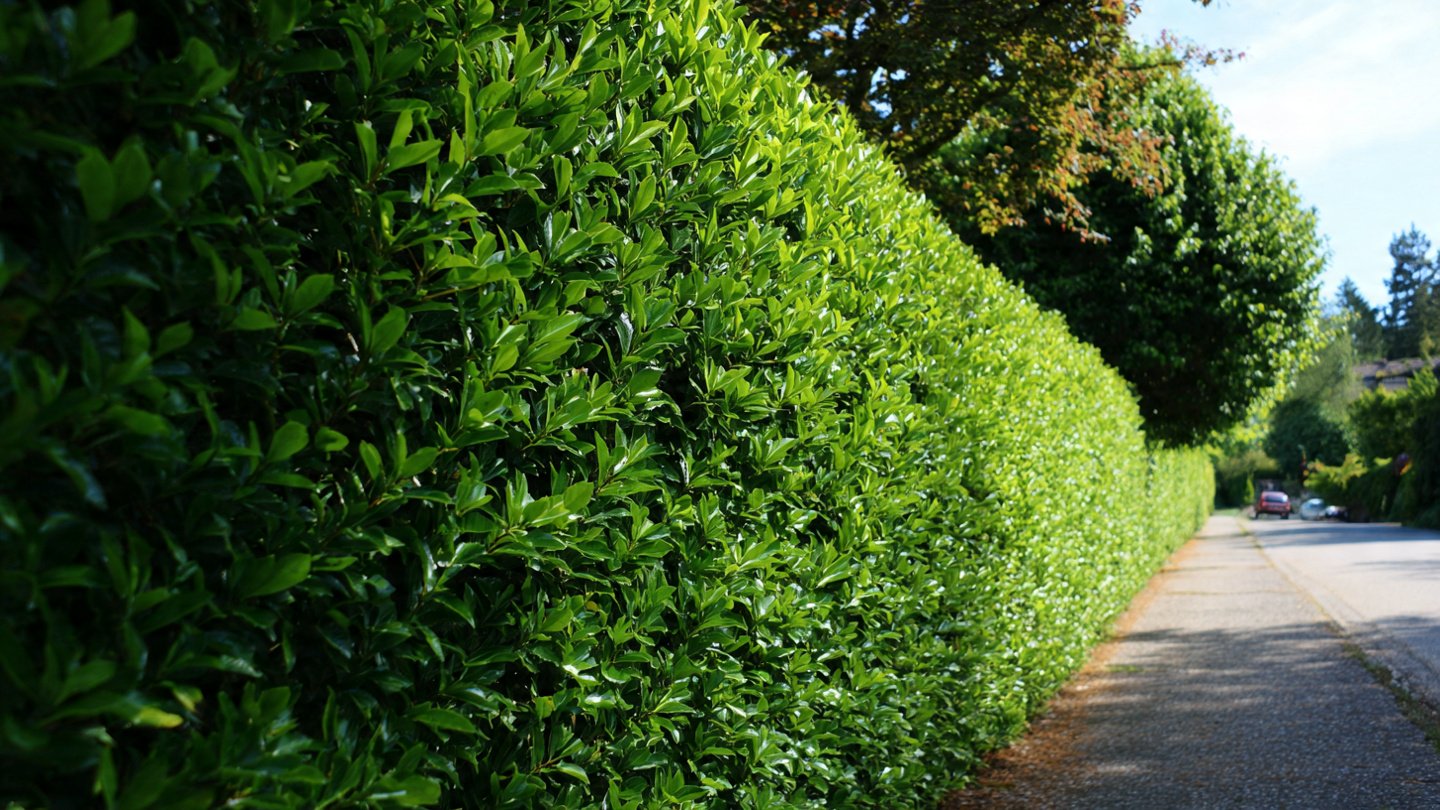
A hedge can serve as both a functional boundary and a beautiful focal point in your garden. Achieving a perfectly manicured hedge is an art that combines knowledge, technique, and the right tools. Whether you are a seasoned gardener or a novice, understanding the fundamental principles of hedge maintenance can help you create a visually stunning and healthy structure. So, what exactly is the key to achieving that pristine look? Let’s explore the essential elements of hedge trimming and maintenance.
1. Selecting the Right Plant
The journey to a perfectly manicured hedge begins with selecting the right plants. Different species require varying levels of care, growth patterns, and ideal conditions. Factors to consider include:
- Climate: Choose a species that is well-suited for your local climate. Some plants thrive in sunny areas, while others prefer shade.
- Size: Consider the mature size of the plant. Low-growing hedges may require less maintenance than taller ones.
- Growth Rate: Fast-growing plants can quickly become unruly if not properly trimmed.
- Leaf Structure: Plants with dense foliage provide better privacy and aesthetic appeal.
2. Timing is Everything
Like all plants, hedges have seasons of active growth and dormancy. Timing your trimming correctly is crucial for healthy foliage. The best times to trim your hedges depend on the specific species, but general guidelines include:
- Early Spring: For most deciduous hedges, early spring is an excellent time for shaping before new growth begins.
- Summer: A light trim in summer can keep your hedge looking neat and tidy as it grows.
- Post-bloom: For flowering species, it’s wise to prune right after they bloom for the best flower production the following year.
3. Tools for the Job
Having the right tools can make or break your hedge-maintaining experience. Essential tools for hedge trimming include:
- Hedge Shears: Ideal for shaping and trimming medium-sized hedges.
- Electric or Gas Hedge Trimmers: They can significantly reduce trimming time, especially for larger hedges.
- Pruning Shears: Useful for more precise cuts and for removing dead or weak branches.
- Safety Gear: Always wear gloves, goggles, and appropriate footwear to prevent injuries.
4. Proper Trimming Techniques
Trimming is more than just making cuts; it’s about understanding how to shape your hedge correctly:
- Start with the Base: Wider at the bottom and narrower at the top is the ideal shape for most hedges. This allows sunlight to penetrate the lower leaves.
- Use Clean Cuts: Smooth cuts encourage clean healing and reduce the risk of disease.
- Work Your Way Up: Start trimming from the bottom and work your way up, constantly stepping back to check your progress.
- Maintain Balance: Aim for symmetry when trimming. This is especially critical for formal hedges.
5. Care and Maintenance
After trimming, it’s vital to take ongoing care of your hedge to promote health and beauty:
- Watering: Ensure your hedge gets enough water, especially during dry spells.
- Fertilizing: Use an appropriate fertilizer in early spring to support growth and health.
- Pest and Disease Control: Regularly check for pests and diseases, and act quickly to address any issues.
- Mulching: Applying mulch can help retain moisture and suppress weeds around your hedge.
6. Special Considerations
There can be special considerations depending on the type of hedge you are maintaining. Some hedges may have specific growing requirements or be subject to particular pests or diseases. Here are a few examples:
- Evergreen Hedges: These require trimming less frequently, usually only once a year, to maintain their shape.
- Flowering Hedges: Make sure to research the flowering habits, as trimming at the wrong time can impact blooms.
- Invasive Species: Some varieties may have invasive tendencies; being aware will help control growth.
Conclusion
Achieving a perfectly manicured hedge requires a combination of the right plant selection, timely trimming, proper techniques, and diligent maintenance. By understanding the needs of your specific species and employing the appropriate tools and methods, you can create a stunning hedge that enhances your property’s beauty and value. Remember, a well-maintained hedge is not just a task but a journey of care that you undertake with patience and passion.
FAQs
1. How often should I trim my hedge?
The frequency of trimming depends on the species and growth rate. Generally, most hedges can be trimmed once or twice a year.
2. Can I trim my hedge in the fall?
It is usually not recommended, as trimming in the fall can stimulate new growth that may not survive the winter. Early spring or summer is preferable.
3. What should I do with the clippings after trimming?
Clippings can be composted if they are disease-free. Alternatively, you can bag them for collection or use them as natural mulch.
4. How do I know if my hedge needs water?
Check the soil moisture about an inch deep. If it’s dry, it’s time to water. Wilting leaves can also indicate a need for water.
5. Should I use fertilizer on my hedge?
Yes, fertilizing in early spring can help promote healthy growth. Use a balanced fertilizer appropriate for the specific type of hedge.