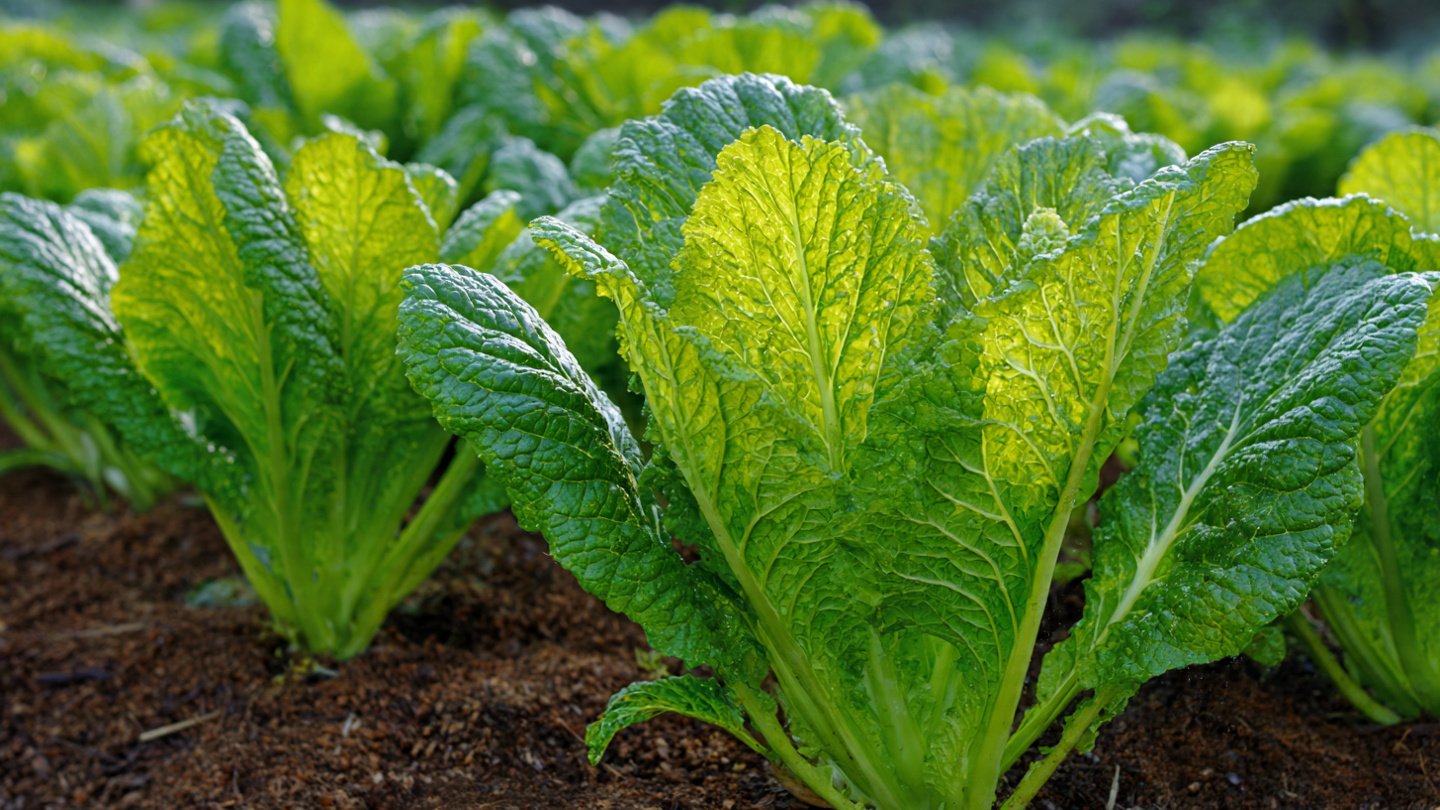
Mustard greens, known scientifically as Brassica juncea, are a highly nutritious leafy green vegetable popular in various culinary traditions. They possess a unique peppery flavor and are rich in vitamins A, C, and K, as well as antioxidants. Growing huge bunches of mustard greens is not only rewarding but also relatively simple. This article will explore essential techniques, tips, and best practices for cultivating robust and bountiful mustard greens.
1. Understanding Mustard Greens
Mustard greens are part of the Brassicaceae family, which also includes broccoli, kale, and cabbage. They thrive in cooler temperatures, making them ideal for spring and fall gardens. There are several varieties of mustard greens, each offering distinct flavors and textures. Knowing the differences can help you choose the best type for your garden.
Common Varieties
- Curly-leaf Mustard: Often used for salads, it has a mild flavor and frilled edges.
- Savoy Mustard: Tolerates heat well and has a crinkly leaf texture.
- Flat Mustard: Has broad, flat leaves and a stronger, spicier flavor.
2. Selecting the Right Time to Plant
Timing is crucial for successful mustard green cultivation. If planting in the spring, aim for early to mid-April, after the last frost date. For fall crops, sow seeds in late summer or early autumn, about six to eight weeks before the first expected frost.
Temperature Preferences
Mustard greens grow best in temperatures ranging from 50°F to 75°F (10°C to 24°C). Exposure to excessive heat during their growth period can lead to bolting, where the plant goes to seed prematurely, resulting in bitter leaves.
3. Soil Requirements
Mustard greens flourish in well-draining, nutrient-rich soil with a pH level between 6.0 and 7.5. Conduct a soil test to determine its pH and nutrient content. If needed, amend the soil with organic matter or compost to improve fertility.
Preparing the Soil
- Remove any weeds or debris from the planting area.
- Loosen the soil to a depth of at least 12 inches to promote healthy root development.
- Mix in compost or well-rotted manure to enhance soil texture and nutrients.
4. Planting Techniques
Plant mustard greens from seeds or transplants. If starting from seeds, sow them about 1/4 to 1/2 inch deep, spacing them 2 to 4 inches apart. If using transplants, space them similarly to provide adequate room for growth.
Row Spacing
Maintain row spacing of 12 to 18 inches to allow for adequate air circulation and sunlight exposure. Proper spacing reduces the likelihood of fungal diseases, enabling healthier plants.
5. Watering and Fertilization
Consistent moisture is vital for mustard greens. Water them regularly to keep the soil evenly moist but not waterlogged. Deep watering, approximately 1 inch per week, encourages deep root growth.
Fertilizing
Incorporate a balanced fertilizer at planting time, and consider side-dressing with nitrogen-rich fertilizer, such as fish emulsion or blood meal, once the plants are a few inches tall. Reapply every four to six weeks to boost growth and production.
6. Managing Pests and Diseases
Mustard greens can be susceptible to various pests, including aphids, caterpillars, and flea beetles. Implementing integrated pest management practices can minimize damage and ensure a healthy crop.
Pest Control Strategies
- Companion Planting: Planting mustard greens alongside other crops can deter pests.
- Floating Row Covers: These can provide physical barriers against pests.
- Neem Oil: A natural insecticide that can help manage infestations.
Common Diseases
Be vigilant for signs of diseases such as downy mildew and black rot. To prevent diseases, practice crop rotation and ensure proper air circulation between plants.
7. Harvesting Mustard Greens
Timing your harvest is essential for optimal flavor and tenderness. Typically, mustard greens can be harvested 30-60 days after planting, depending on the variety and growing conditions.
Harvesting Techniques
- Use scissors or garden shears to cut the outer leaves, leaving the inner leaves intact for continued growth.
- Aim to harvest in the morning when the leaves are crisp and hydrated.
8. Storing Your Harvest
Once harvested, mustard greens should be stored properly to maintain freshness. Rinse them in cold water, pat them dry, and place them in a perforated plastic bag in the refrigerator. They can typically last up to a week when stored this way.
Conclusion
Growing huge bunches of mustard greens is a manageable endeavor that rewards gardeners with abundant, nutritious produce. By understanding their growth requirements, implementing proper care techniques, and being vigilant about pest management, you can cultivate healthy crops. With the right timing, soil, and maintenance, your garden can flourish with vibrant and delicious mustard greens that enhance your meals and contribute to a healthy lifestyle.
FAQs
1. How much sunlight do mustard greens need?
Mustard greens thrive in full sun but can tolerate partial shade. Aim for at least 4-6 hours of sunlight daily for optimal growth.
2. Can mustard greens be grown in containers?
Yes, mustard greens can be successfully grown in containers. Ensure the container is at least 10-12 inches deep and wide enough for multiple plants.
3. How often should I water mustard greens?
Water them consistently, aiming for about 1 inch of water per week, either from rainfall or irrigation, to keep the soil moist.
4. Do mustard greens need fertilizer?
Yes, mustard greens benefit from fertilization. A balanced fertilizer can help boost their growth, particularly during the growing season.
5. What are some common diseases that affect mustard greens?
Common diseases include downy mildew and black rot. Practicing good garden hygiene and crop rotation can help prevent outbreaks.