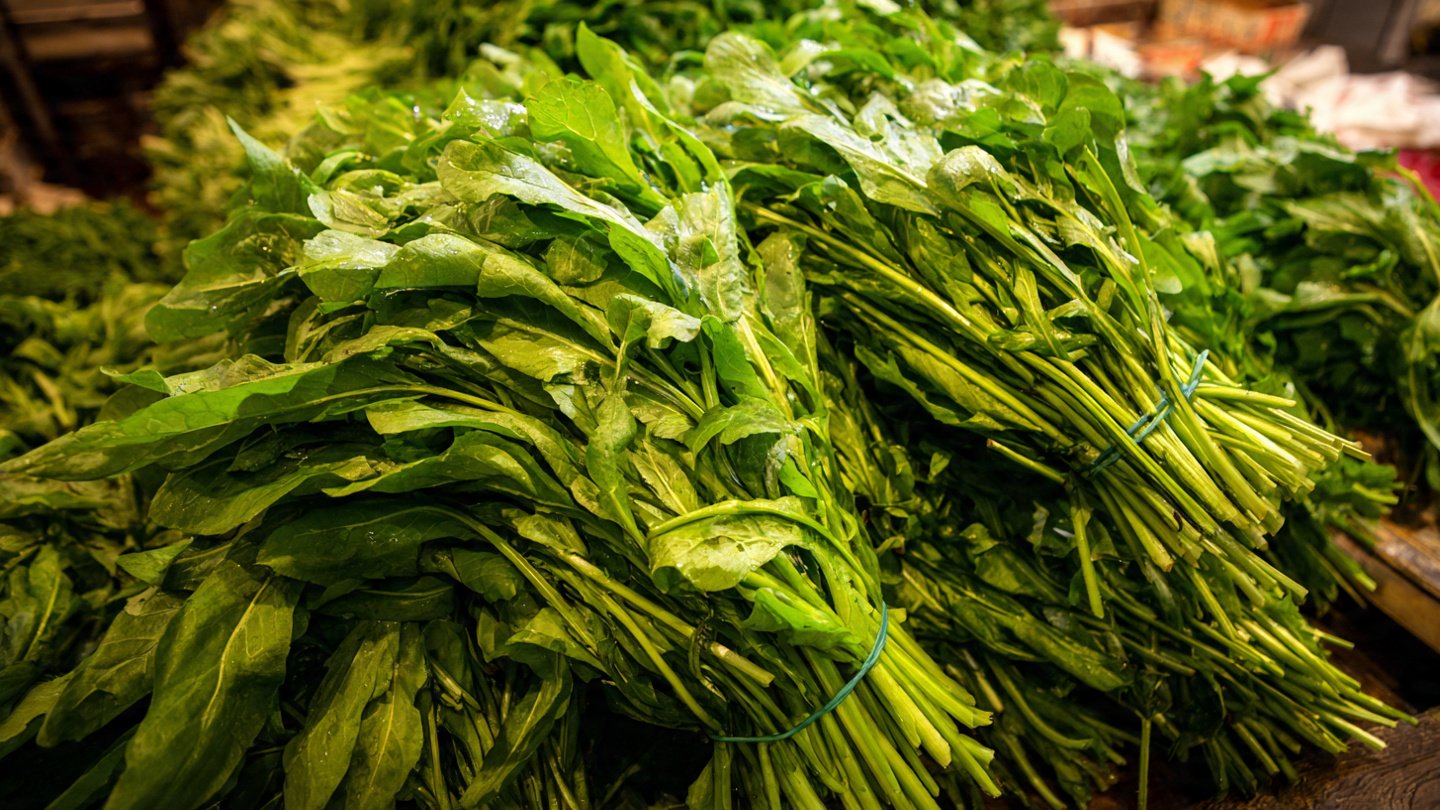
Dandelions (Taraxacum officinale) are often regarded as a pesky weed, but they are also a powerhouse when it comes to nutrition. Packed with vitamins A, C, and K, as well as minerals like iron and calcium, dandelion greens can elevate your diet. Additionally, their resilience and ease of growth make them an excellent choice for both novice and experienced gardeners. But how do you ensure that you grow huge, lush bunches of dandelion greens? Below are key factors and methods to help you cultivate a thriving crop.
1. Choosing the Right Location
The first step in growing dandelion greens is finding the right spot in your garden. Here are some considerations:
- Sunlight: Dandelion greens thrive in full sun, requiring at least 6-8 hours of direct sunlight daily. A sunny patch in your garden will promote healthy growth.
- Soil Quality: Choose well-draining soil with a pH level between 6.0 and 7.0. Dandelions can adapt to various soil types but grow best in rich, loamy soil.
- Proximity to Water: Ensure a water source is nearby for easy irrigation. However, avoid areas prone to standing water, as dandelions dislike overly wet conditions.
2. Soil Preparation
Preparing your soil properly is crucial for healthy plant development. Follow these soil preparation steps:
- Clearing the Area: Remove any weeds or debris that can compete with your dandelion greens for nutrients and water.
- Amending the Soil: Incorporate organic matter like compost or well-rotted manure into the soil to improve its nutrient content and structure.
- Tilling: Loosen the soil to a depth of at least 12 inches to facilitate root growth. Dandelions have deep taproots that require space to develop.
3. Planting Techniques
Once your soil is prepared, it’s time to plant your dandelion seeds or transplants. Here’s how:
- Seed Selection: Opt for heirloom or organic dandelion seeds, as these varieties often yield robust plants. Popular choices include ‘French Dandelion’ and ‘Wild Dandelion.’
- Sowing: You can either scatter seeds directly into the soil or start them indoors. If sowing directly, plant seeds ¼ inch deep and 1-2 inches apart. If starting indoors, transplant seedlings after they reach 3-4 inches tall.
- Timing: Dandelions can be sown in spring or fall, depending on your climate. In colder regions, a late spring planting after the last frost is ideal.
4. Watering and Maintenance
Proper care during the growing season will ensure that your dandelion greens flourish:
- Watering: Maintain consistent moisture in the soil, especially during dry spells. Water deeply once or twice a week, allowing the top inch of soil to dry out between watering.
- Fertilizing: Since dandelions love nutrient-rich soil, apply a balanced organic fertilizer every 4-6 weeks to promote growth.
- Pest and Disease Management: While dandelions are relatively pest-resistant, watch for aphids or slugs. Use organic insecticidal soap or hand-pick pests as needed.
5. Harvesting Techniques
Harvesting your dandelion greens at the right time is key to maximizing yield:
- Timing: Dandelion greens are best harvested in early spring or fall when leaves are young and tender. Avoid harvesting during peak summer heat as the greens can become bitter.
- Technique: Use sharp scissors or shears to cut leaves at the base, leaving the root intact. This allows the plant to continue growing and producing more leaves.
- Storage: Freshly harvested greens can be stored in the fridge for up to a week. To prolong their freshness, place the greens in a damp paper towel and store them in a plastic bag.
6. Companions and Crop Rotation
Companion planting and crop rotation can improve the health of your dandelion greens:
- Companion Plants: Dandelions grow well alongside carrots, onions, and cabbage, as these plants have different nutrient needs and can help deter pests.
- Crop Rotation: Avoid planting dandelions in the same spot every year. Rotating crops helps prevent soil depletion and minimizes pest and disease issues.
Conclusion
Growing huge bunches of dandelion greens is not just about planting seeds and waiting. It requires careful planning, proper soil preparation, consistent care, and harvesting techniques. By following the steps outlined above, you can cultivate a thriving crop of dandelion greens that will yield a nutritious and delicious addition to your meals. So, embrace this resilient plant and enjoy the benefits it brings to your garden and your plate!
FAQs
1. Are dandelion greens safe to eat?
Yes, dandelion greens are completely safe to eat and are highly nutritious. They are rich in vitamins and minerals, making them a healthy addition to salads, smoothies, and cooked dishes.
2. How can I reduce the bitterness of dandelion greens?
To reduce bitterness, harvest younger leaves in the spring or fall. You can also blanch the leaves in boiling water for a few minutes before eating, which helps mellow the taste.
3. Can dandelions invade my garden?
Dandelions can spread easily due to their seed production, but they are also easy to manage. Regular harvesting and good garden practices can keep their growth in check.
4. How long does it take for dandelion seeds to germinate?
Dandelion seeds typically take about 7-10 days to germinate, depending on conditions like moisture and temperature.
5. Can I grow dandelion greens indoors?
Yes, dandelion greens can be grown indoors in containers. Just ensure they receive enough sunlight and maintain proper watering to encourage growth.