Introduction
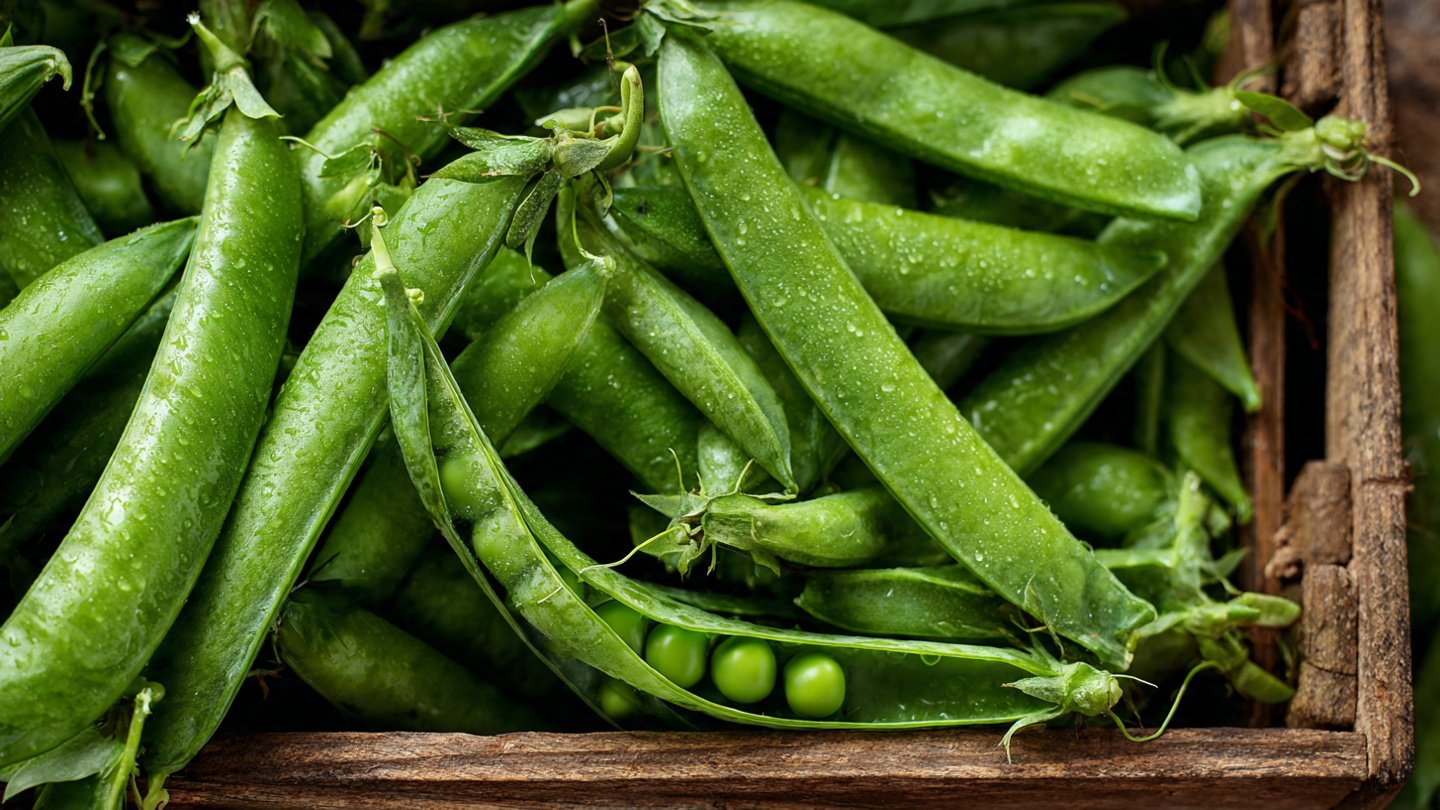
Peas are not only delicious but also a nutritious addition to your hearty stews. Growing them yourself can enhance the flavors of your dishes while providing a satisfying gardening experience. This article will guide you through the secrets of successfully growing your own peas, ensuring you have a bountiful harvest for your next stew.
1. Choosing the Right Variety
When it comes to growing peas, selecting the right variety is essential. Here are some popular types you might consider:
- Sugar Snap Peas: These are sweet and have a crispy texture. They can be eaten raw or cooked.
- Snow Peas: Flat and sweet, they are excellent in stir-fries and can also be eaten raw.
- Garden Peas: Also known as English peas, these are typically shelled and require cooking.
Choosing a variety depends on your taste preferences and the intended use in dishes like stews.
2. Understanding the Growing Conditions
Peas thrive in specific conditions. Here are some key factors:
- Soil: Well-drained, loamy soil rich in organic matter is ideal.
- pH Level: Aim for a pH between 6.0 and 7.5.
- Sunlight: Peas grow best in full sun but can tolerate partial shade.
- Temperature: Ideally, peas prefer cooler weather, thriving in temperatures between 55°F to 70°F.
3. Preparing the Soil
Preparation of the soil is crucial for healthy plant growth. Follow these steps:
- Clear the garden area of any weeds and debris.
- Test the soil pH, adjusting it using lime or sulfur if necessary.
- Add organic compost to enrich the soil.
- Till or turn the soil to improve aeration.
Well-prepared soil will provide the nutrients peas need for robust growth.
4. Planting Techniques
Timing is everything when it comes to planting peas. Here’s what you need to know:
- When to Plant: Peas can be sown in early spring as soon as the soil is workable. In some climates, a fall planting is also possible.
- How to Plant: Sow seeds 1-2 inches apart and 1 inch deep. Rows should be spaced about 24-36 inches apart.
- Watering: Water thoroughly after planting, but be careful not to overwater.
5. Supporting Your Peas
Many pea varieties are climbing plants. Supporting them can lead to healthier plants and easier harvesting:
- Provide Trellises: Use bamboo stakes, wire fencing, or trellis systems that are 3-4 feet high.
- Natural Support: Peas will naturally cling to nets or other plants, so consider companion planting.
6. Watering and Maintenance
Proper care during the growing season is essential:
- Watering: Maintain consistent moisture but avoid soggy soil.
- Mulching: Apply a layer of mulch to retain moisture and suppress weeds.
- Fertilizing: Peas are nitrogen-fixing plants, so additional fertilizer is often unnecessary. However, a light application of compost can help.
7. Pest and Disease Management
Pests can be a concern for peas. Here are some common issues and solutions:
- Pea Weevils: Inspect plants regularly and remove any affected pods.
- Powdery Mildew: Ensure good air circulation and avoid overhead watering to prevent this fungus.
- Natural Predators: Encourage beneficial insects like ladybugs that feed on aphids.
8. Harvesting Your Peas
The timing of your harvest will impact the flavor of your peas. Here’s how to do it:
- When to Harvest: Garden peas should be picked when they are plump but before they start to dry out. Sugar snap and snow peas can be harvested when they are still young and tender.
- How to Harvest: Gently pull the pods from the vine rather than cutting them to avoid damaging the plant.
Conclusion
Growing your own peas can be a rewarding experience, enhancing your stews and overall cooking. With the right variety, proper growing conditions, and attentive care, you can enjoy fresh peas right from your garden. Embrace the secrets of successful pea cultivation, and elevate your culinary creations with homegrown goodness.
FAQs
1. How long does it take for peas to grow?
Peas typically take 60 to 70 days from planting to harvest, depending on the variety.
2. Can I grow peas in containers?
Yes, peas can be grown in containers as long as they are deep enough (about 12-18 inches) and have adequate drainage.
3. What is the best time of year to plant peas?
The best time to plant peas is in early spring as soon as the soil can be worked, and in some areas, a fall planting is also possible.
4. Do peas need a lot of sunlight?
Peas prefer full sun but can tolerate partial shade. Aim for at least 6 hours of sunlight daily.
5. How should I store fresh peas?
Fresh peas should be stored in the refrigerator in a breathable container for up to a week. For longer storage, consider freezing them.