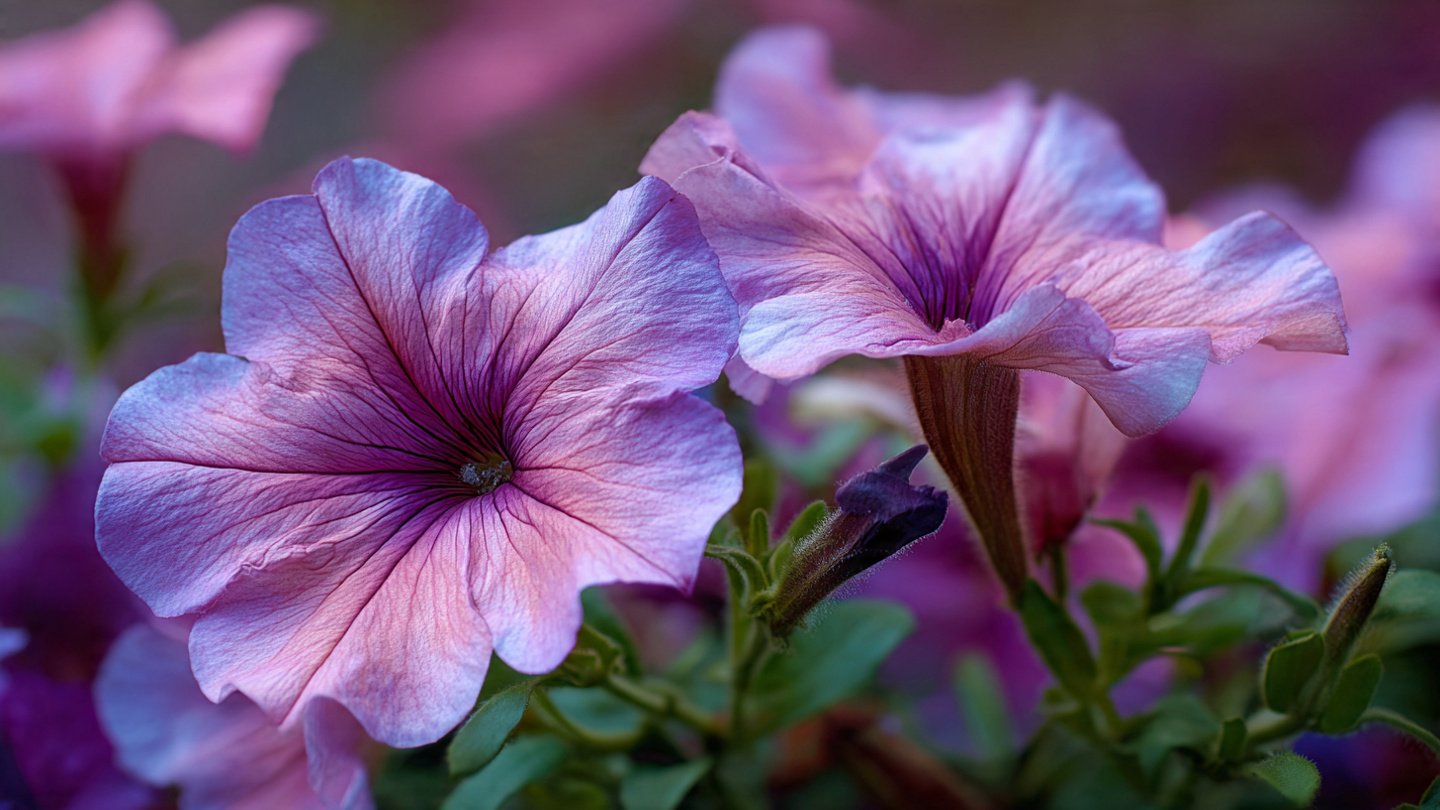
Petunias are a popular choice for gardens and containers, famous for their vibrant colors and fragrances. However, gardeners often face a common issue: leggy petunias. This condition arises when the plants become excessively tall with weak stems and sparse foliage, which can diminish their aesthetic appeal. Fortunately, there are several strategies you can employ to keep your petunias bushy and healthy.
Understanding Leggy Petunias
Leggy petunias typically occur when the plants do not receive enough sunlight, are over-fertilized, or are not pruned regularly. This results in long, thin stems that stretch toward the light source, leading to a sparse appearance. Understanding the causes will help you implement effective measures to prevent this issue.
Optimal Growing Conditions
The first step to preventing leggy petunias is to provide them with optimal growing conditions. Consider the following factors:
- Sunlight: Petunias thrive in full sun, requiring at least 6 to 8 hours of direct sunlight daily. Insufficient light can cause them to stretch and become leggy.
- Soil Quality: Well-draining soil is crucial. Heavy or compacted soil can inhibit root growth and lead to leggy plants.
- Watering: Consistent watering is vital. Petunias prefer moist, well-drained soil but should not be waterlogged. Watering too infrequently can cause stress, leading to leggy growth.
Proper Fertilization Techniques
Just like other plants, petunias require proper nutrition to flourish. However, over-fertilizing can lead to excessive nitrogen levels, which encourages leaf growth over blooms.
- Balanced Fertilizer: Use a balanced, water-soluble fertilizer with equal parts nitrogen, phosphorus, and potassium (e.g., 15-15-15) to promote healthy blooms.
- Frequency: Fertilize petunias every 4 to 6 weeks during the growing season. Avoid fertilizing too much in the early stages when the plants are establishing.
- Avoid Excess Nitrogen: Too much nitrogen can cause leggy growth, so be sure to choose a fertilizer with a lower nitrogen concentration when blooms start to form.
Regular Pruning and Pinching
Another essential practice for maintaining bushy petunias is regular pruning and pinching. This helps encourage fuller growth and prevents legginess.
- Pinching: Start pinching back the tips of the stems when the petunias are 6 to 8 inches tall. This encourages branching and denser foliage.
- Deadheading: Remove spent blooms regularly to encourage new growth and keep the plant looking tidy. This also helps signal the plant to produce new flowers rather than focusing on seed production.
- Seasonal Pruning: In late summer, consider cutting back leggy growth to stimulate new foliage and blooms for the fall.
Choosing the Right Varieties
When selecting petunias, consider choosing varieties known for their bushy growth habit rather than those that tend to sprawl. Some notable bushy varieties include:
- Wave Petunias: These ground-hugging petunias are perfect for containers and hanging baskets.
- Surfinia Petunias: Known for their wider, bushy stretch and abundant blooms.
- Non-Trailing Varieties: Look for types that upright growth to maintain a compact form.
Environmental Factors
Keep in mind the environmental factors affecting your petunias. Adequate air circulation and protection from adverse weather can impact plant health.
- Spacing: Ensure adequate spacing between plants to provide air circulation, which reduces disease and promotes healthy growth.
- Wind Protection: Protect your petunias from strong winds that can damage fragile stems and cause legginess.
- Temperature Regulation: Sudden temperature changes can stress petunias. Ensure they are planted in an area that is sheltered from extreme conditions.
Pest and Disease Management
Pests and diseases can also contribute to leggy petunias. Preventative measures include:
- Regular Inspection: Check your plants regularly for signs of pests such as aphids or spider mites.
- Organic Pesticides: Use organic options to manage pests if infestations occur. Ensure they are suitable for use on flowering plants.
- Fungal Diseases: Keep foliage dry to prevent fungal infections that can weaken the plant.
Conclusion
Preventing leggy petunias requires a holistic approach that includes providing optimal growing conditions, proper fertilization, regular pruning, and pest management. Additionally, choosing the right varieties and ensuring adequate spacing and airflow can significantly improve the health and appearance of your petunias. With the right care, these vibrant flowers can thrive, providing beautiful blooms throughout the growing season.
FAQs
1. How often should I water my petunias?
Petunias prefer consistently moist soil and should be watered whenever the top inch feels dry. Depending on the weather, this could mean watering daily during hot spells.
2. What is the best fertilizer for petunias?
A balanced, water-soluble fertilizer with equal parts of nitrogen, phosphorus, and potassium is ideal. Look for a solution with lower nitrogen once blooming begins.
3. How can I tell if my petunias are getting too leggy?
If you notice long stems with sparse leaves and fewer blooms, it’s an indication that your petunias are becoming leggy and may require some adjustments in care.
4. Can I cut back my petunias in the middle of summer?
Yes, cutting back leggy growth during the growing season can stimulate new foliage and blooms. Just be sure to do so after the last frost date.
5. Are there petunia varieties that are less prone to legginess?
Yes! Look for compact and bushy varieties like Wave or Surfinia Petunias, which are specifically bred to retain a fuller shape.