Gardening is often seen merely as a hobby or a chore, but its profound benefits extend beyond the aesthetic pleasures of blooming flowers and lush greenery. Engaging with your garden can serve as a vital tool for mental healing, offering a refuge from the stresses of modern life. As urbanization increases and our lives become more fast-paced, these green spaces serve as sanctuaries that allow us to reconnect with nature and ourselves.
The importance of nature in mental health has been backed by various studies, demonstrating that being in green spaces can lead to reduced anxiety, improved mood, and even lowered levels of cortisol, the body’s primary stress hormone. Gardens are unique ecosystems that not only provide physical beauty but also stimulate our senses—sight, sound, smell, and touch—creating a multi-dimensional experience that fosters emotional well-being.
One major way gardening serves as a form of mental healing is through the act of nurturing. Tending to plants requires patience and care, mirroring the nurturing we often need in our own lives. This act encourages a sense of responsibility and accomplishment as we see our efforts lead to tangible results. When plants flourish, so too do our spirits. The gradual growth and transformation of a garden can be incredibly rewarding, acting as a metaphor for personal growth and healing.
Moreover, gardening allows individuals to engage in mindfulness, a practice known for its mental health benefits. The simple act of pulling weeds, planting seeds, or watering plants demands focus and presence, drawing us into the moment. This mindfulness can distract from racing thoughts and worries, providing a necessary mental reset. This connection to the earth and the cycle of life creates a rhythm and routine that can be grounding in the face of daily chaos.
Research indicates that engaging with nature can lower levels of anxiety and depression. The colors and scents in a garden can evoke emotions; vibrant flowers can uplift our spirits, while the earthy scent of soil can be deeply calming. The neuroscience behind this phenomenon reveals that spending time in nature stimulates the brain’s reward system, leading to feelings of joy and satisfaction. Thus, cultivating a garden can be an effective, natural antidote for feelings of despair or hopelessness.
In addition to its calming effects, gardening promotes physical well-being, which is inextricably linked to mental health. The physical act of gardening—digging, planting, weeding—offers a form of exercise that releases endorphins, also known as “feel-good” hormones. Regular physical activity is associated with lower levels of stress, anxiety, and depression. Gardening can thus be a form of self-care that cultivates not only a vibrant outdoor space but also a healthier body and mind.
Community gardens are another aspect worth mentioning in the context of mental healing. These shared spaces often foster social connections that lead to improved mental health. Engaging with like-minded individuals creates a sense of belonging and support, essential for those dealing with mental health challenges. The relationships formed in these communal environments contribute to improved self-esteem and a sense of purpose, key components in mental wellness.
Gardening also allows for creativity and self-expression. Individuals can design their space in ways that reflect their personalities and preferences. This creative process is liberating and invigorating, providing an outlet for emotional release and exploration. Whether it’s choosing a color palette of blossoming flowers or arranging plants in a particular way, the freedom and agency afforded by gardening allow individuals to explore their identities. This artistic aspect can be healing in itself, transforming the act of gardening into a form of therapy.
The act of growing food can also enhance mental well-being. The connection to the food we consume fosters gratitude and mindfulness around what we eat. Knowing that you have grown something from seed to plate is often empowering and satisfying. This process encourages a healthier lifestyle too, as fresh produce is inherently nutritious. Increasing vegetable and fruit intake has been correlated with improved mood and mental clarity, making a garden a powerful tool for overall wellness.
Another aspect of gardens that supports mental healing is their ability to provide solitude and reflection. Many people find peace in personal gardens, serving as a sanctuary when life becomes overwhelming. The serenity of being surrounded by nature allows for introspection and emotional processing. In these quiet moments, individuals can contemplate their experiences, enabling them to navigate their thoughts and emotions more clearly.
Adverse experiences and trauma can leave lasting marks on mental health, and gardening offers a gentle pathway toward healing. The cyclical nature of gardening—the planting and harvesting, the death and rebirth of plants—mirrors the human experience of facing hardship and finding resilience. Through nurturing a garden, individuals can explore their own ability to heal and grow after difficult times.
Furthermore, children benefit from gardening as a mental health tool. Early exposure to gardening fosters a connection to nature, facilitating the development of skills like patience, responsibility, and teamwork. Participating in gardening activities alongside family or peers can also help foster social connections, serving as a protective factor against future mental health issues.
To maximize the mental healing potential of gardening, it’s beneficial to set realistic expectations. While it can be an incredibly rewarding experience, it’s important to approach it with an open mind and a sense of discovery. Enhance this experience by incorporating elements that engage the senses—scented herbs, colorful blooms, or textured leaves can all provide additional layers of engagement.
Consider the setting of your garden as well. Ensuring that your garden is a serene and inviting space can enhance its therapeutic effects. Create comfortable seating areas or incorporate pathways that encourage exploration. By intentionally designing the environment, you can foster a sense of peace and tranquility.
Sharing your gardening journey through social media or community workshops can also boost the mental health benefits. Connecting with others over shared interests can facilitate support systems and inspire creativity. This sense of community can serve as an additional layer of emotional nourishment, reinforcing the idea that we are not alone in our struggles.
In summary, the garden serves as a microcosm of healing, presenting opportunities for mindfulness, creativity, physical engagement, and social connection. The act of nurturing plants cultivates vital life skills, paralleling the journey of mental health recovery. It allows for reflection, creativity, and personal growth—all crucial elements in navigating life’s challenges. Whether you’re an experienced gardener or a novice, engaging with the earth offers a unique pathway toward mental well-being, reminding us that sometimes, the simplest activities can have the most profound impacts on our health. By cultivating not just plants, but also our inner selves, we can find solace, healing, and joy in the natural world that surrounds us.
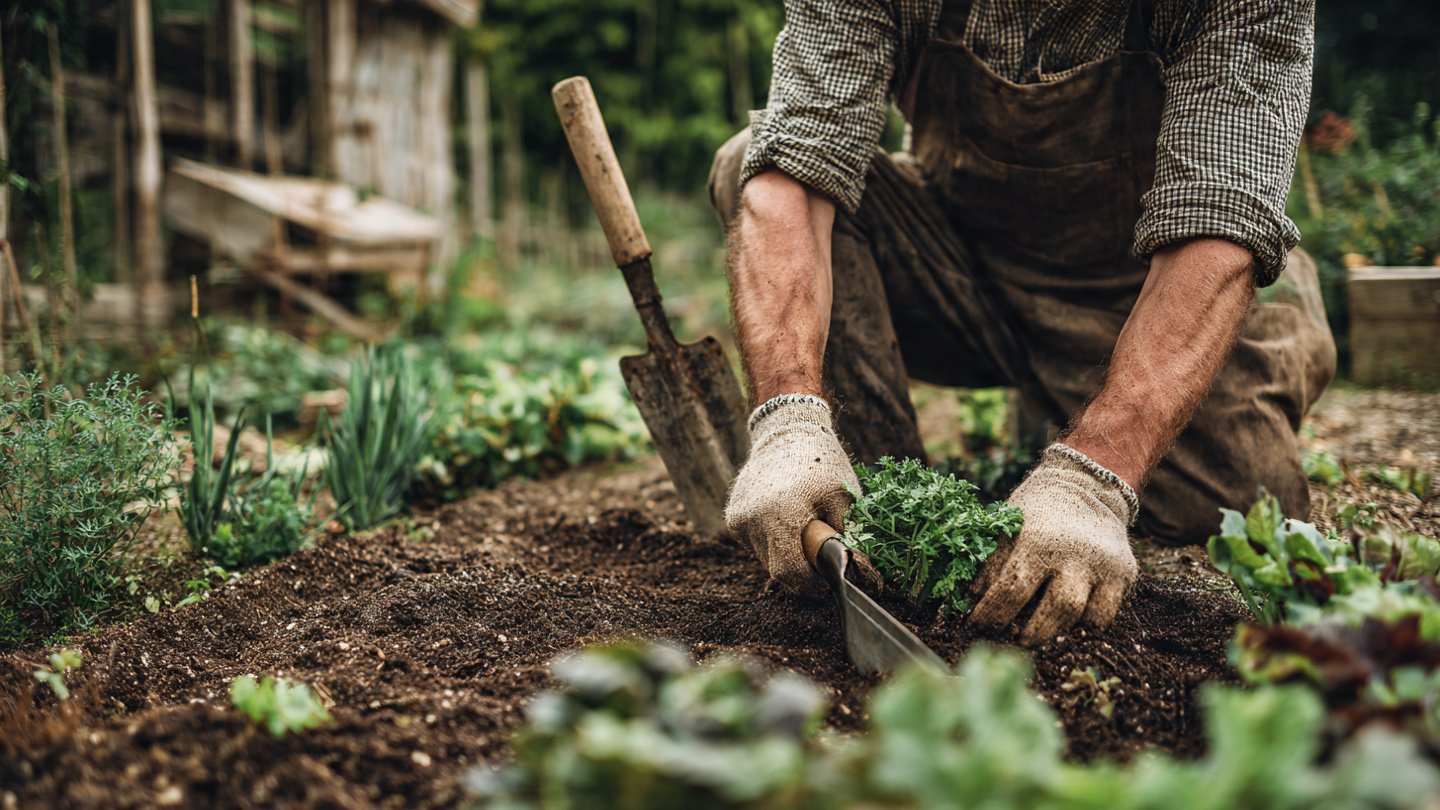
How Gardening Can Boost Your Mental Health
Motorola New Smartphone Launched
Nokia 2026 5G Smartphone Unveiled
Nokia 5G Smartphone Launched
Nokia 7380 5G Concept
Motorola Premium 5G Smartphone
Realme 17 Pro 5G
Infinix 2026 5G Smartphone
OnePlus New 5G Smartphone
Realme GT Series 5G
Samsung Galaxy A18 5G
Oppo A6 Pro Smartphone
Redmi Turbo 5 Pro Max
OnePlus Nord 2T 5G
Samsung Galaxy S20 Ultra 5G
Galaxy S24 Ultra 5G
Oppo K13 5G
Vivo X200 FE
Vivo Y21D Budget Smartphone
OnePlus 250MP Smartphone
iPhone 18 Pro Design Revealed
Nokia Magic Max 5G
Motorola Edge 40 Neo 2026
Motorola Affordable 5G Phone
Motorola Edge 70 Ultra
Vivo Affordable 5G Smartphone
Infinix Latest Smartphone
Motorola Signature 2026
Motorola Signature 2026 Unveiled
Realme 15T
OnePlus 12 5G