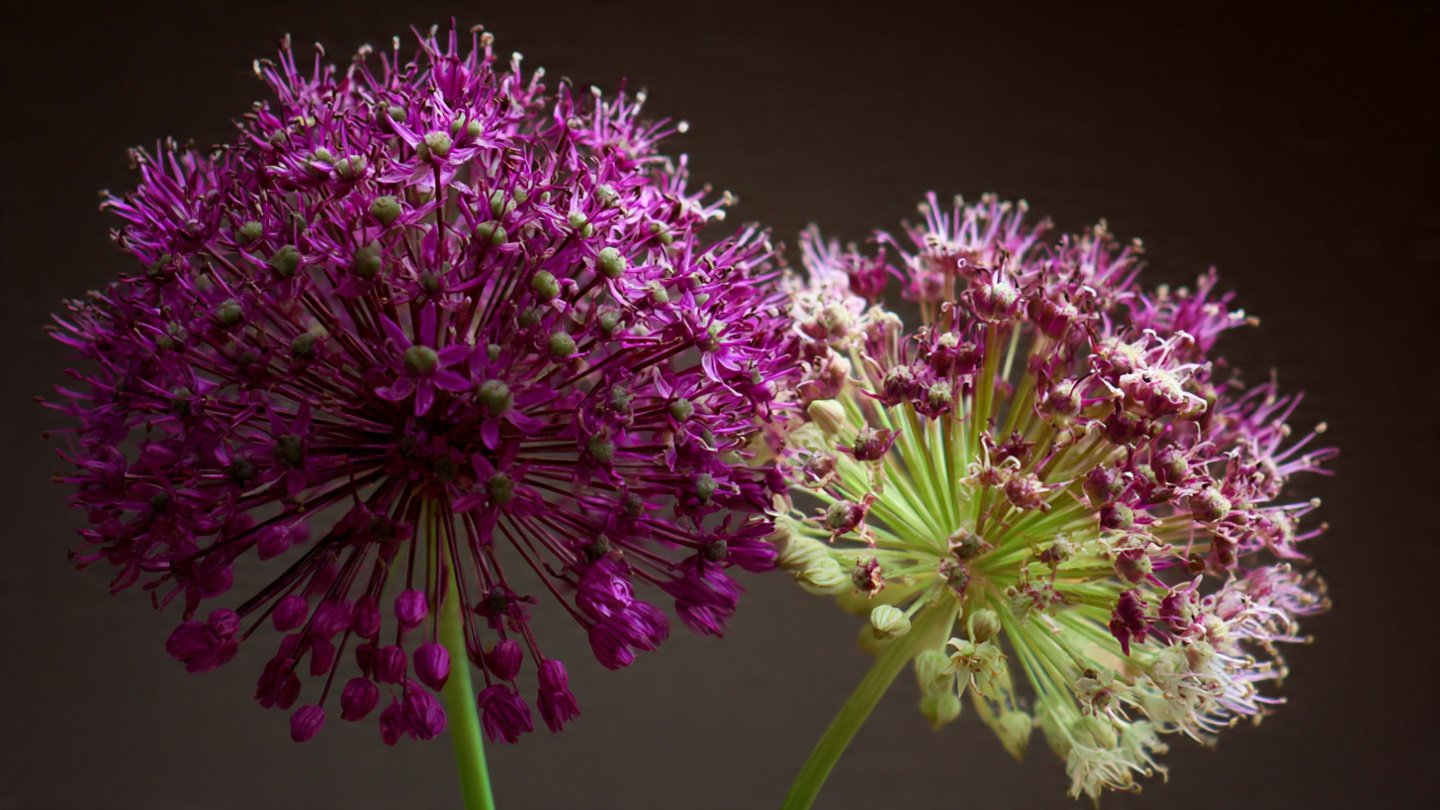
When it comes to creating a stunning garden or landscape, the choice of plants can make all the difference. One plant that has been gaining popularity among garden enthusiasts and designers alike is the allium. Known for their striking globe-shaped flowers and unique architectural form, alliums are not just beautiful; they offer a plethora of benefits that can elevate the aesthetic of any outdoor space. In this article, we will explore why alliums should be a staple in your garden design, highlighting their diverse varieties, low maintenance, and the unique designer look they provide.
The Allure of Alliums
Alliums, belonging to the onion family, are perennials that bloom beautifully in spring and early summer. Their tall, slender stems topped with round clusters of flowers come in various colors including purple, white, and yellow. This dramatic presence can serve as an eye-catching focal point in any garden.
Varietal Diversity
One of the most appealing features of alliums is their incredible diversity. With over 700 species, there’s an allium variety for nearly every garden style. Some popular varieties include:
- Allium giganteum: Known as the giant allium, this variety can grow up to 4 feet tall with large, round clusters of purple flowers.
- Allium moly: This dwarf allium, also known as golden garlic, reaches about 12-18 inches and produces bright yellow flowers.
- Allium sphaerocephalon: A summer bloomer with deep maroon flowers that create a lovely contrast in the garden.
Architectural Presence
Alliums are characterized by their distinct architectural structure. The tall, upright stems create vertical lines that add height and dimension to garden spaces. This architectural quality can create a strong visual interest, especially when planted among lower-growing plants.
Focal Points and Group Planting
Planting alliums in groups can enhance their visual impact. A cluster of purple alliums can draw the eye and create a stunning focal point against the backdrop of a more subdued color palette in your garden. They work particularly well mixed with other perennials and shrubs, acting as an effective buffer or transition between various garden areas.
Low Maintenance Wonder
For those who love beautiful gardens but may not have the time for extensive maintenance, alliums are an excellent choice. Once planted, they require minimal care.
Drought Resistance
Alliums are drought-tolerant, making them ideal for gardeners in areas with less rainfall. Their bulbous nature allows them to store water, sustaining themselves during dry spells. This quality not only helps in reducing water usage but also means less frequent watering, fitting well with sustainable gardening practices.
Natural Pest Deterrents
Interestingly, the onion family has natural pest-repellent properties. Planting alliums can help deter harmful insects, making them a natural choice for organic gardeners. They repel aphids and various other pests while attracting beneficial insects like bees and butterflies, which can enhance the overall health of your garden.
Seasonal Interest
Alliums bring visual interest to the garden not only during their blooming period, which can last several weeks but also in their post-bloom phase. The seed heads of alliums are striking features that can last well into the fall and winter months, providing structure and beauty when many other plants have faded.
Companion Planting
Alliums make excellent companions for many plants. They can be paired with a variety of perennial plants, such as daylilies, nepeta, and salvia, enhancing color combinations and textures within the garden. Their late-spring and early-summer bloom period can fill gaps left by early-blooming perennials, ensuring your garden remains vibrant throughout the season.
A Designer Look
There’s no denying that the presence of alliums can impart a designer look to any landscape. Their striking form and bold colors can convert an ordinary garden into an enchanting oasis. Whether you opt for a modern minimalist design or a romantic cottage-style garden, alliums can seamlessly blend into various themes.
Creating Depth and Layers
In garden design, depth and layering are essential. Alliums, when planted at different heights and alongside other plants with varying foliage colors and structures, create a sense of depth and complexity. This layering not only increases visual interest but also mimics the natural landscapes found in the wild.
Conclusion
Incorporating alliums into your garden or landscape design is a decision that brings with it both beauty and practicality. With their varied species, architectural presence, low maintenance needs, and seasonal interest, alliums are a versatile choice for any garden style. Their striking blooms add a designer look that can enhance your outdoor space significantly. Whether you’re a seasoned gardener or just starting, the charm and elegance of alliums can transform your garden into a remarkable landscape you can enjoy all year round.
FAQs
1. When is the best time to plant alliums?
Alliums are best planted in the fall, about 6-8 weeks before the ground freezes. This timing allows the bulbs to establish roots before winter.
2. How often should I water alliums?
Alliums are drought-tolerant and generally require minimal watering. Water them when the soil feels dry, especially during dry spells.
3. Can alliums be grown in pots?
Yes, alliums can be successfully grown in pots. Ensure the container has good drainage and use quality potting soil for the best results.
4. Do alliums attract any pests?
Alliums can deter various pests such as aphids. However, they attract beneficial insects like bees, which can be a great addition to your garden.
5. Are alliums deer-resistant?
Yes, due to their onion-like scent, alliums are generally considered deer-resistant, making them a good choice for gardens in deer-prone areas.