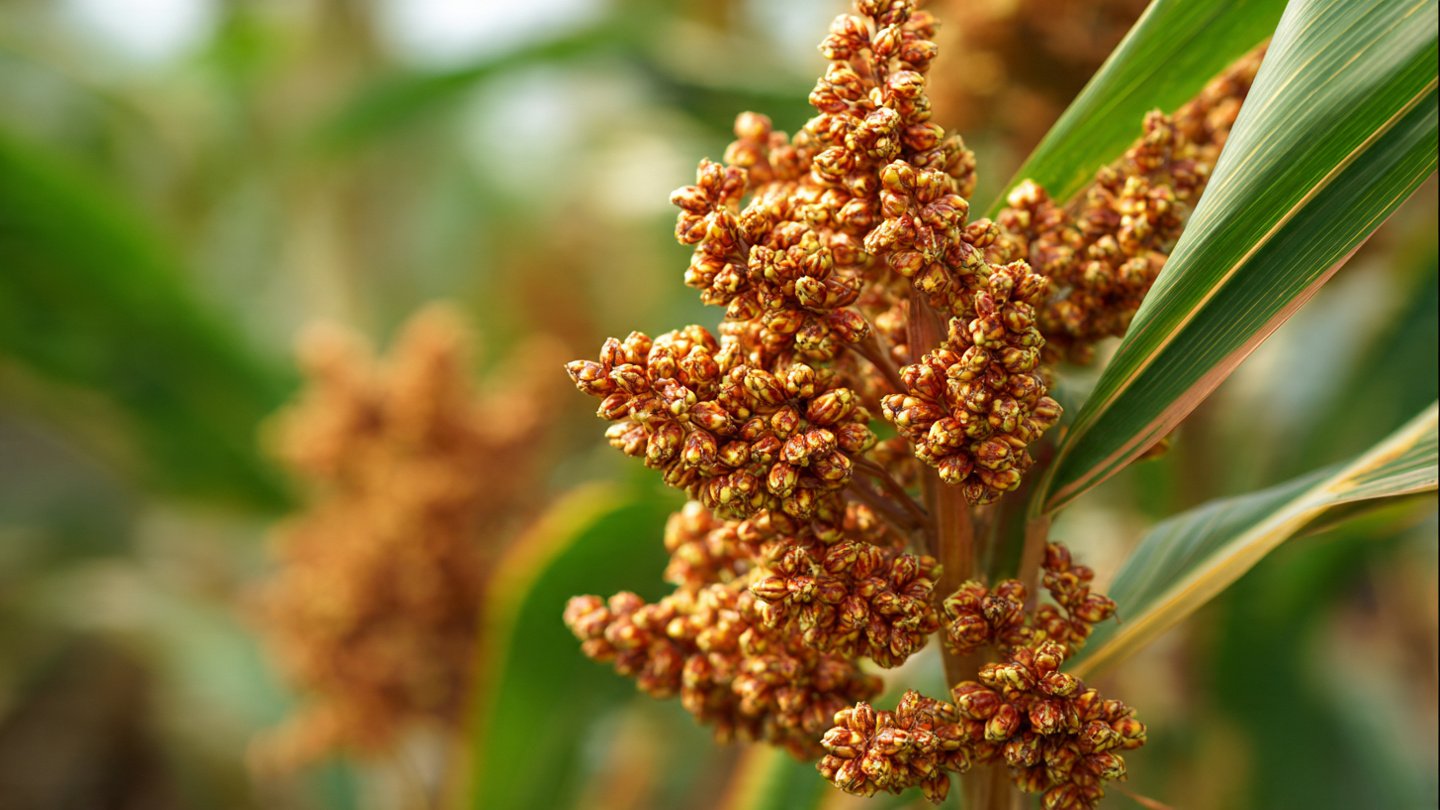
Introduction to Sorghum Syrup
Sorghum (Sorghum bicolor) is a versatile and hardy grain that has been cultivated for thousands of years. While it’s known mainly for its use in animal feed and gluten-free products, one of its delightful products is sorghum syrup. This sweet syrup can be used in a variety of culinary applications, making it a fantastic homemade alternative to refined sugars and corn syrup. Given its unique flavor and numerous health benefits, growing your own sorghum for syrup right in your backyard can be a rewarding experience.
Benefits of Growing Your Own Sorghum for Syrup
There are several reasons to consider growing sorghum for syrup in your backyard:
1. Healthier Alternative to Refined Sugars
Sorghum syrup contains essential nutrients, including antioxidants, vitamins, and minerals, which are often stripped away from refined sugars. Using sorghum syrup can lead to reduced sugar intake and offer health benefits like improved digestion, strengthened immune function, and better overall nutrition.
2. Unique Flavor Profile
Sorghum syrup has a rich, complex flavor that is both sweet and slightly nutty, making it a delicious alternative to traditional syrups. Its distinct taste can enhance a wide range of recipes, from pancakes and waffles to marinades and glazes for grilled meats.
3. Sustainable and Eco-Friendly
Growing sorghum is an eco-friendly choice. This drought-resistant crop requires less water than many other grains, and it can thrive in poor soil conditions. By growing sorghum in your backyard, you can reduce your carbon footprint and contribute to sustainable agricultural practices.
4. Economic Benefits
With rising grocery prices and increasing demand for natural products, growing your own sorghum can be a cost-effective investment. After the initial setup, producing your own syrup can save you money while giving you a sense of pride in self-sufficiency.
5. A Fun and Educational Experience
Gardening offers a wonderful opportunity to learn and connect with nature. Growing sorghum for syrup can be a fun project for families, teaching children about cultivation, sustainability, and the importance of healthy eating.
How to Grow Sorghum for Syrup
Growing sorghum requires some preparation and care, but the process is relatively straightforward:
Step 1: Choosing the Right Variety
There are various types of sorghum, but for syrup production, sweet sorghum is the ideal choice. Look for hybrid varieties specifically bred for syrup-making, like ‘Honey Drip’ or ‘Mowhawk.’ They typically have higher sugar content, which results in sweeter syrup.
Step 2: Preparing the Soil
Choose a sunny location with well-draining soil. Sorghum prefers a pH level between 6.0 and 7.0. Amend your soil with organic matter like compost or well-rotted manure to enhance fertility and drainage.
Step 3: Planting
Plant sorghum seeds in late spring when the soil temperature reaches at least 65°F (18°C). Space seeds 6-8 inches apart in rows that are about 3 feet apart. Depending on your climate, you may need to provide additional water during dry spells.
Step 4: Caring for the Plants
Sorghum grows quickly, reaching full maturity in about 3-4 months. Regularly check for weeds and pests while ensuring the plants receive enough moisture. A layer of mulch can help retain soil moisture and suppress weeds.
Step 5: Harvesting
Harvest sorghum when the seed heads are firm and the grains are hard. Cut the stalks close to the ground and bundle them for processing. Ensure to work quickly, as delays can lead to spoilage.
Step 6: Extracting the Juice
After harvesting, extract juice from the cane using a sorghum press. This process can be labor-intensive but is rewarding. Once the juice is extracted, it must be boiled down to convert it into syrup.
Step 7: Cooking the Juice
To make syrup, boil the extracted juice over medium heat, skimming off any impurities that rise to the surface. Continue until the syrup reaches a density of about 40-45 Brix (a specific measurement of sugar concentration). This process usually takes several hours.
Storing Sorghum Syrup
Once cooked, allow the syrup to cool before transferring it to sterilized glass jars. Properly stored, homemade sorghum syrup can last for up to a year in a cool, dark place.
Conclusion
Growing your own sorghum for syrup not only provides a delicious product but also promotes health, sustainability, and self-sufficiency. From planting to harvesting, the entire process serves as a rewarding experience that connects you with the food you eat. If you’re looking for a fun, eco-friendly, and practical gardening project, consider adding sorghum to your backyard.
FAQs
1. How much sorghum do I need to grow to make a batch of syrup?
It typically takes about 10-12 stalks of sweet sorghum to produce one gallon of syrup. The amount can vary based on the sugar content of the specific variety you choose.
2. Can I grow sorghum in containers?
Yes, although it’s not the most common practice, you can grow sorghum in large containers if space is limited. Ensure the container is at least 15 gallons and provides good drainage.
3. What pests should I watch for when growing sorghum?
Common pests include aphids, spider mites, and grasshoppers. Regularly inspecting your plants and using organic pest control methods can help manage these problems.
4. Is sorghum syrup gluten-free?
Yes, sorghum syrup is naturally gluten-free, making it a great alternative for those with gluten sensitivities or celiac disease.
5. Can I use sorghum syrup as a sweetener in baking?
Definitely! Sorghum syrup can be substituted for other sweeteners in most recipes. Just keep in mind it has a unique flavor, so it may alter the taste slightly.