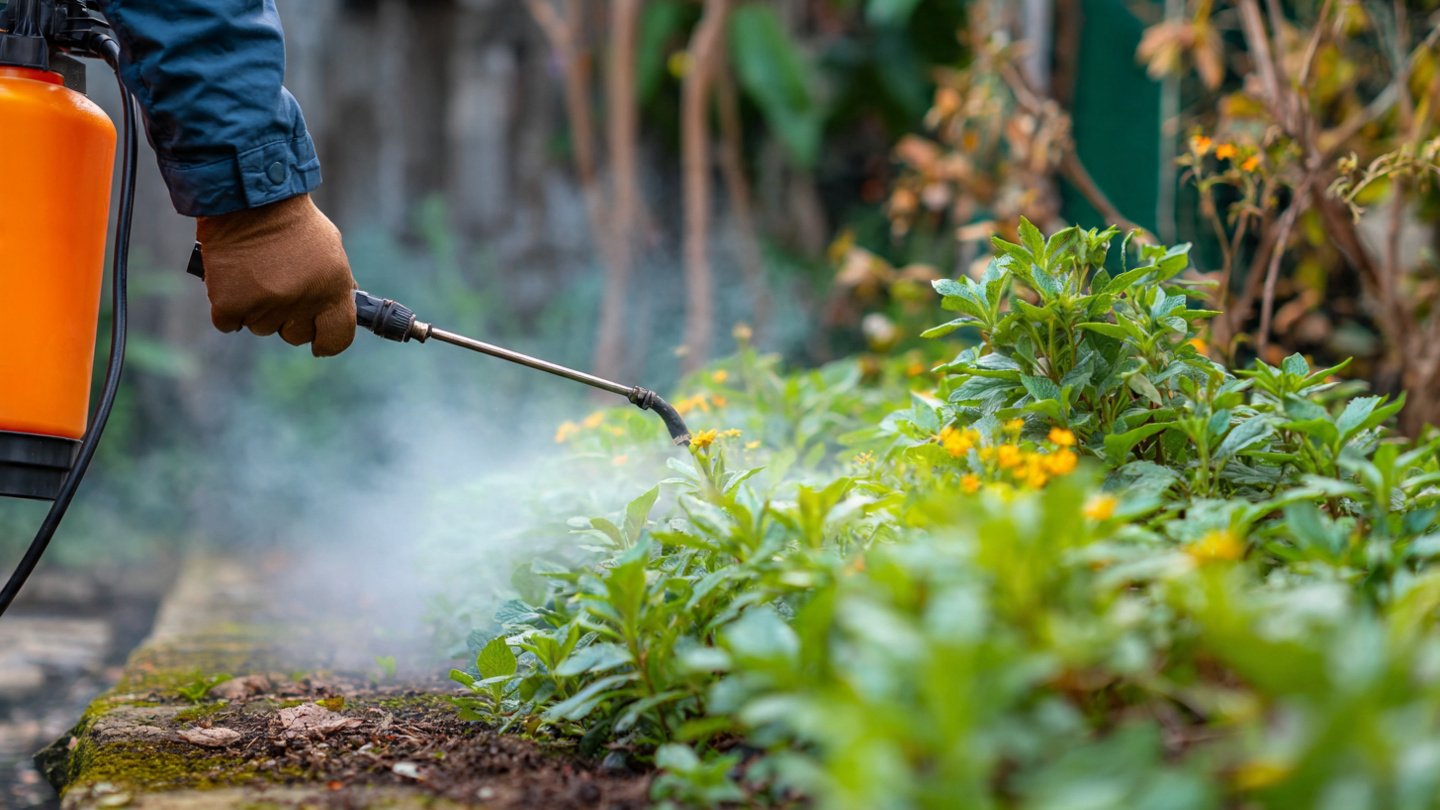
Maintaining a healthy and vibrant garden can be a rewarding endeavor, but it often comes with its fair share of challenges. One of the most common issues faced by gardeners is dealing with pests that threaten their beloved plants. While there are many methods for pest control, using a garden sprayer can significantly enhance the effectiveness of your pest management strategy. This article delves into the various reasons why employing a garden sprayer is not just beneficial, but often essential for anyone serious about gardening.
1. Efficiency in Application
One of the primary reasons to use a garden sprayer is efficiency. Garden sprayers allow for even distribution of pesticides or organic solutions across large areas. Instead of applying solutions by hand, which can lead to uneven coverage and wasted products, a sprayer ensures that every inch of your garden receives the necessary treatment. This not only saves time but also enhances the effectiveness of the pest control method.
2. Versatility
Garden sprayers come in various types, each suited for specific tasks. They can be used for:
- Applying pesticides and herbicides
- Fertilizing plants
- Watering delicate seedlings
- Spraying fungicides
This versatility makes garden sprayers indispensable tools for any gardener, catering to diverse gardening needs beyond just pest management.
3. Enhanced Coverage
Pests often hide in hard-to-reach areas, making it challenging to control infestations effectively. Traditional methods, like using a cloth or sponge, may not reach these areas, leaving your plants vulnerable. Garden sprayers, especially those with adjustable nozzles, can cover narrow spaces and plant undersides, significantly improving your pest control approach.
4. Targeted Treatments
Modern garden sprayers allow for targeted applications where the pest problems are concentrated. Instead of treating an entire area, you can focus on specific plants or sections of the garden that require immediate attention. This precision helps in conserving resources and minimizes the environmental impact.
5. Reduced Chemical Exposure
By using a sprayer, you can minimize your exposure to potentially harmful chemicals. When you apply pest control solutions by hand, the risk of exposure increases. Garden sprayers feature longer nozzles and can be used from a distance, reducing your risk of inhalation or direct contact with the substance being applied.
6. Environmentally Friendly Options
With the growing concern for the environment, many gardeners are turning to organic pest control methods. A garden sprayer can be adapted to work with eco-friendly solutions like neem oil or insecticidal soap. Using a sprayer makes it easier to apply these treatments effectively, providing an efficient alternative to synthetic pesticides.
7. Ergonomic Design
Garden sprayers are designed with user comfort in mind. Many models come with padded straps, adjustable handles, and ergonomic grips, making it easier to carry and manage during application. This is particularly beneficial when spraying larger areas or when you need to apply multiple treatments in one session.
8. Cost-Effective
While there might be an initial investment involved in purchasing a quality garden sprayer, the long-term benefits often outweigh this cost. By efficiently applying pesticides and fertilizers, a sprayer can help save money on products that would otherwise be wasted or underutilized. Additionally, a well-maintained sprayer can last for years, making it a sound investment for your gardening toolkit.
9. Time-Saving
Time is one of the most valuable resources for any gardener. Dealing with pest infestations can quickly become a time-consuming task, especially if using manual methods. Garden sprayers streamline this process significantly, allowing you to cover more ground in less time. You can spend less time managing pests and more time enjoying your garden!
10. Ease of Use
Finally, garden sprayers are straightforward to use, regardless of your gardening skill level. Most models come with user-friendly instructions, and once you familiarize yourself with the operation, you will find it to be an indispensable tool in your gardening toolkit.
Conclusion
Using a garden sprayer to tackle pests in your garden is a practical, efficient, and versatile approach to maintain the health of your plants. From ensuring even coverage to providing targeted treatments, garden sprayers enhance the effectiveness of pest control and contribute to a more enjoyable gardening experience. Whether you’re dealing with minor infestations or larger pest problems, a garden sprayer enables you to manage these challenges effectively, allowing you to focus on nurturing your garden rather than battling pests.
FAQs
1. What type of garden sprayer is best for residential use?
The best type of garden sprayer for residential use often depends on the size of your garden and the types of treatments you plan to apply. For small gardens, a hand-held or battery-operated sprayer is usually sufficient. For larger areas, a backpack or wheeled sprayer may be more effective.
2. How do I maintain my garden sprayer?
To maintain your garden sprayer, ensure you clean it thoroughly after each use, especially if you have used chemicals. Rinse the tank, nozzles, and tubing with water to prevent blockages. Store it in a cool, dry place to prolong its lifespan.
3. Can I use organic solutions in my garden sprayer?
Yes, many garden sprayers can be used with organic solutions like neem oil, insecticidal soap, or homemade remedies. Just ensure that you clean the sprayer afterward to avoid contamination with any synthetic chemicals.
4. How often should I spray my garden for pests?
The frequency of spraying depends on the level of pest pressure in your garden. Regular monitoring and early identification of pests will help determine when to spray. Generally, preventative treatments are recommended every few weeks, especially during peak pest seasons.
5. Are there any safety precautions to consider when using a garden sprayer?
Yes, always wear appropriate protective gear, such as gloves and a face mask, when handling pesticides or chemicals. Ensure good ventilation when using indoor and outdoor sprayers, and avoid spraying on windy days to prevent drift.