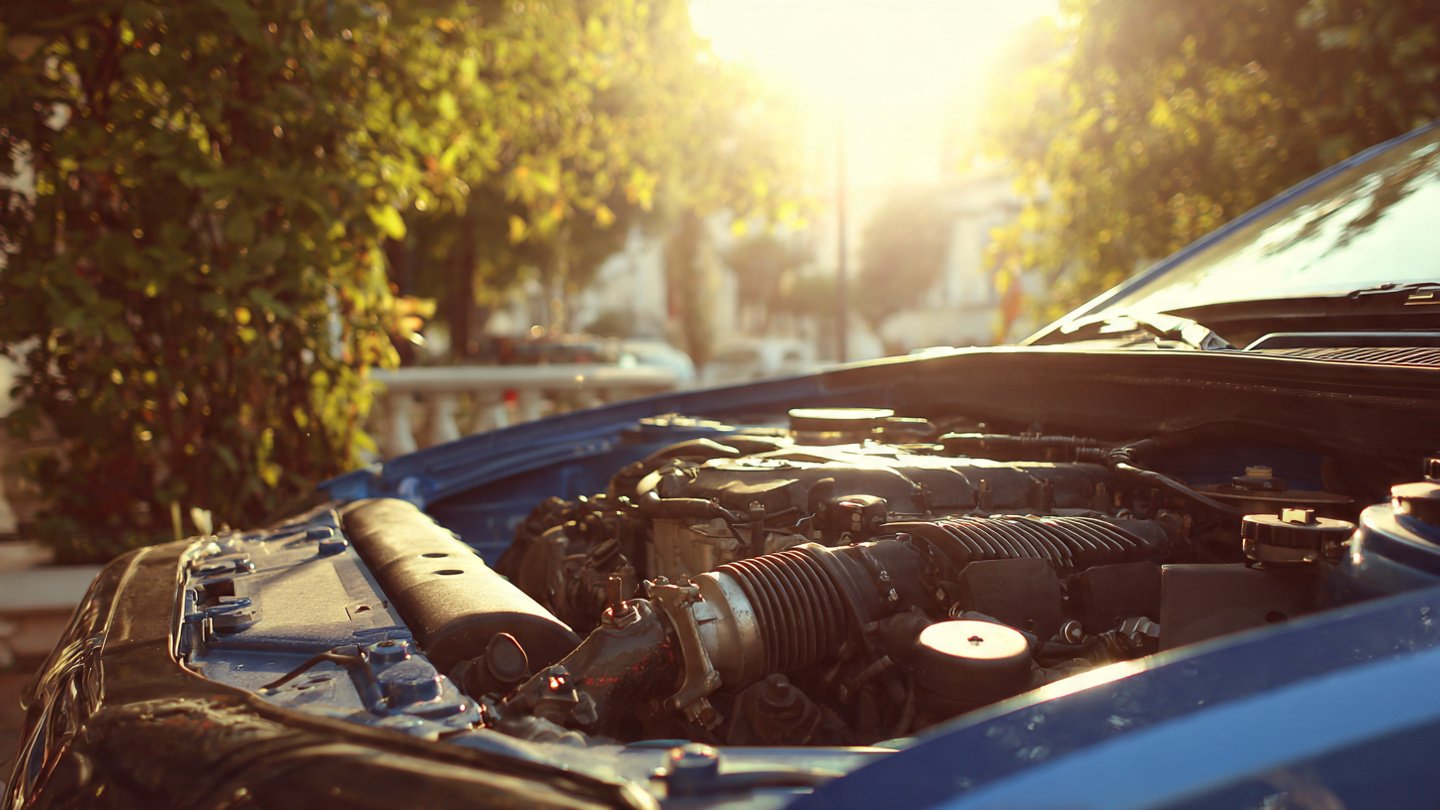
As the temperatures rise during the summer months, you might notice that your car’s engine runs hotter than usual. This issue is not simply a matter of discomfort for the driver and passengers; higher engine temperatures can lead to severe mechanical failures if not addressed promptly. Understanding the factors contributing to increased engine heat during the summer is crucial for maintaining your vehicle’s health and ensuring your safety on the road.
1. Understanding Engine Heat
First, let’s establish why engine heat is a critical concern. An internal combustion engine operates by mixing air with fuel, creating an explosion that powers the vehicle. This process generates significant heat as a byproduct. The engine’s cooling system—comprising the radiator, coolant, and thermostat—regulates this heat to prevent overheating.
2. Seasonal Temperature Variations
Ambient Temperature
In summer, the ambient temperature rises significantly. When the outside temperature is hot, the engine has to work harder to cool itself. During the day, especially in regions with extreme heat, outside temperatures can soar above 100°F. This relentless heat adds stress on the cooling system, making it less effective.
Radiator Efficiency
The radiator plays a crucial role in dissipating engine heat. Higher temperatures in the summer mean that the radiator cannot cool the engine as efficiently. If you’re driving in stop-and-go traffic during the hottest parts of the day, the cooling system has a harder time releasing heat into the air, which can raise engine temperatures considerably.
3. Increased Engine Load
Air Conditioning Usage
One of the most significant contributors to increased engine heat during summer is the use of air conditioning. When you turn on the A/C, the engine has to work harder to power the compressor. This added load not only consumes extra fuel but also generates additional heat.
Heavy Traffic
Summer is a popular time for vacations, resulting in heavier traffic on the roads. More cars create a thick layer of congestion, requiring frequent accelerations and decelerations. Each time you accelerate, the engine generates excess heat. In a stop-and-go scenario, the engine does not have the chance to cool down adequately, leading to a rise in temperature.
4. Coolant System Under Pressure
Coolant Quality
One of the most vital components of the engine cooling system is the coolant fluid, which absorbs heat from the engine and carries it to the radiator. During summer months, it’s essential to ensure that your coolant is still effective. Over time, coolant can degrade or become contaminated, which reduces its ability to absorb heat and transfers that heat away from the engine.
Leaks and Maintenance Issues
Regular checks of your cooling system are crucial. Leaks can develop in hoses, the water pump, or the radiator itself. Such leaks can result in inadequate coolant levels, leading to overheating. Additionally, if the thermostat malfunctions, it may not open or close properly to regulate coolant flow. Ensuring that your coolant system is leak-free and functioning correctly is vital, particularly in hot weather.
5. Engine Oil Viscosity
Oil Temperature and Viscosity
Motor oil lubricates engine parts and helps to remove heat. During the summer, the temperature can cause engine oil to become thinner, reducing its ability to provide adequate lubrication. When engine oil is too thin, it fails to protect engine components effectively. This lack of lubrication increases friction, generating even more heat and causing potential engine damage.
Regular Oil Changes
Frequent oil changes are crucial to maintain optimal engine performance. Ensure you’re using oil that meets the specifications for summer driving conditions. Some oils are designed to perform better at high temperatures, providing extra protection against heat damage.
6. Tire Pressure and Rolling Resistance
Increased Rolling Resistance
Summer heat can also affect tire pressure. Hot weather causes tires to expand, resulting in increased pressure. Over-inflated tires can lead to more slipping and higher rolling resistance, causing the engine to work harder. This extra work can contribute to an increase in engine heat.
Proper Tire Maintenance
Regularly checking and maintaining tire pressure can minimize rolling resistance and reduce engine load. Consult your car’s manual for the appropriate pressure levels.
7. Environmental Factors
Dust and Debris
Summer often brings increased dust and debris on roadways. When the radiator is clogged with dirt, the airflow is restricted, making it difficult for it to cool the engine efficiently. Regular cleaning of the front grill and radiator can help maintain optimum airflow.
High Humidity
In many areas, summer is accompanied by high humidity levels. Humidity can impact how efficiently the radiator works as it complicates the process of dissipating heat. Moist air can reduce cooling performance, causing the engine to heat up more quickly.
8. Signs of Overheating
Awareness of the signs of overheating is essential for any driver. Some symptoms include:
-
Warning Light: If your car’s temperature gauge rises beyond the normal operating range or triggers a warning light, the engine is overheating.
-
Steam: Seeing steam coming from under the hood is a clear indication that the engine is overheating.
-
Unusual Noises: If you hear knocking or pinging sounds, it may indicate engine stress due to high temperatures.
-
Loss of Power: If the vehicle suddenly loses power or won’t accelerate properly, the engine may be excessively hot.
9. Preventive Measures
Regular Maintenance
- Coolant Checks: Regularly inspect the coolant level and quality.
- Oil Changes: Make sure to change your oil regularly, especially if you notice signs of wear.
- Radiator Flush: Flushing the radiator periodically can help remove any debris and maintain its efficiency.
Drive Smart
- Avoid Overworking the Engine: Turn off A/C when unnecessary and avoid high-speed driving in extreme heat.
- Plan Trips: Try to avoid peak driving times when temperatures are highest.
Invest in Upgrades
Consider upgrading to a high-performance radiator or using synthetic engine oil designed for high temperatures.
10. Conclusion
Increased engine heat during summer months is a multifaceted issue influenced by external temperatures, vehicle load, and the efficiency of your engine cooling system. Understanding these factors allows drivers to take proactive steps to mitigate the risks associated with overheating. Regular maintenance, smart driving practices, and awareness of the engine’s performance will not only enhance your vehicle’s life but can also ensure safe and reliable travel during those hot summer days.
By taking the right steps, you’ll not only defend against potential engine failures but also enjoy a more enjoyable driving experience throughout the summer months.